- By JeffkomStory Team
- Published on
Point One Navigation: The Khosla-Backed Startup Bringing 1-Centimeter Precision to Drones, Robots & Autonomous Vehicles
Location accuracy is becoming one of the biggest competitive advantages in modern technology and one San Francisco startup is leading the charge. Point One Navigation, backed by Khosla Ventures, has raised $35 million in a Series C round, pushing its valuation to $230 million and accelerating its mission to deliver ultra-precise positioning for vehicles and devices worldwide.
Why Precise Location Matters
From autonomous vehicles to delivery robots, precision isn’t optional, it’s critical. A machine can’t mow a lawn, land a drone, or position a robot on a factory floor if it’s off by even a few centimeters.
Point One Navigation promises 1-centimeter accuracy in ideal conditions. That level of precision opens up reliable navigation for:
-
Drones
-
Robotaxis
-
Agriculture equipment
-
Autonomous lawnmowers
-
Industrial robots
-
Consumer EVs
-
Even wearable devices
This isn’t just GPS, it’s a new standard of location intelligence.
How Point One Delivers 1-Centimeter Accuracy
The startup has developed a positioning engine that layers together:
-
Augmented GNSS
-
Computer vision
-
Sensor fusion
-
A powerful API
For most modern vehicles already equipped with cameras and sensors, the solution is software-based. For others like farm equipment or first responder vehicles, Point One adds a compact chipset.
This hybrid approach enables high-precision navigation in almost any environment.
Growing Demand Across Industries
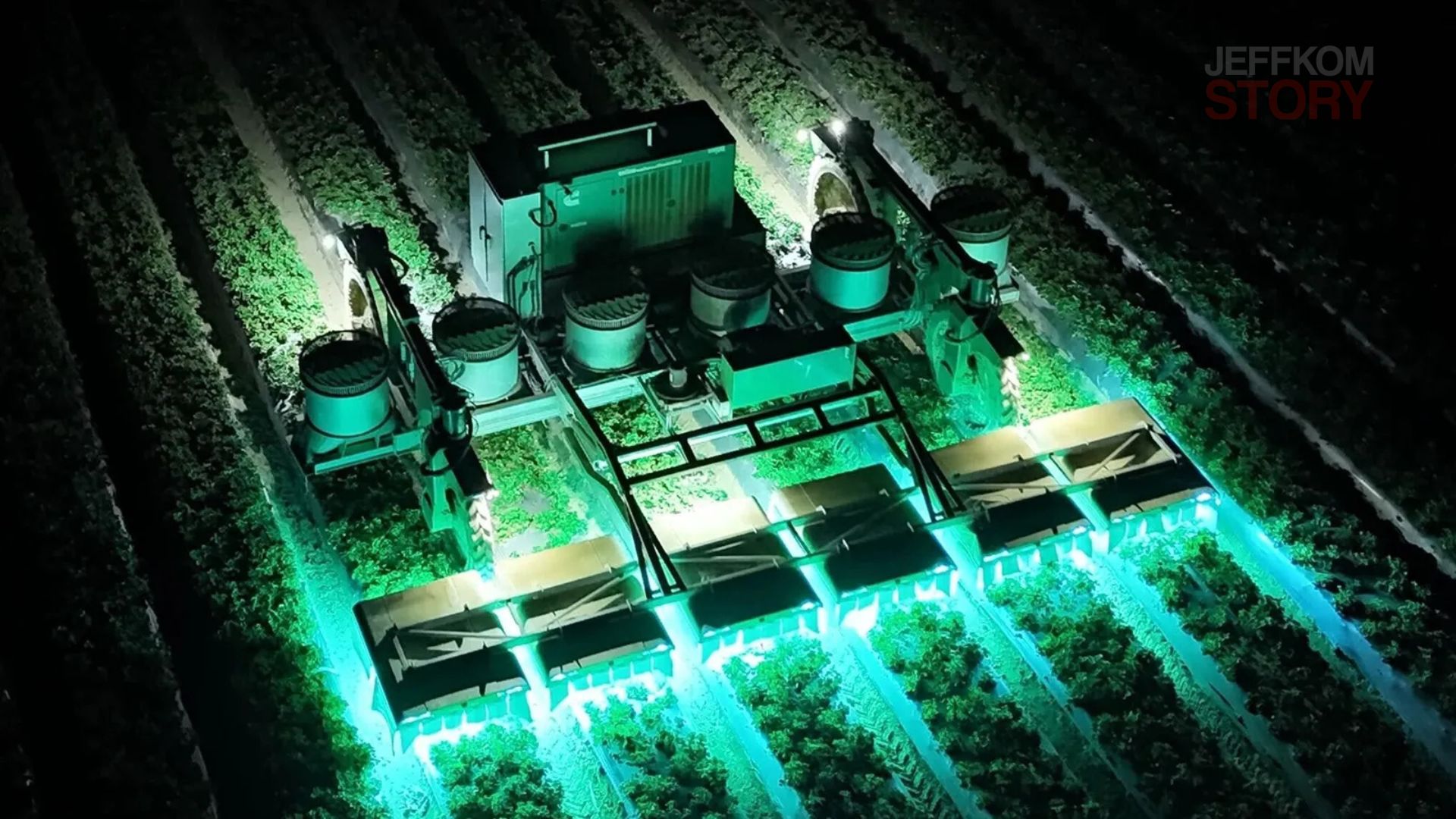
Point One began with automotive clients during the autonomous vehicle boom. Today, their technology can be found in:
-
150,000+ electric vehicles
-
300,000 last-mile delivery fleet vehicles
-
Major turf care and mowing manufacturers
-
A global producer of street and racing bikes
Since 2021, adoption has grown 10x across automotive, robotics, industrial, and wearable markets and it’s still accelerating.
Polaris RTK Network: The Secret Behind the Precision
A key part of Point One’s breakthrough is its Polaris RTK Network, a dense grid of small correction stations installed on secure sites like cell-tower facilities. These stations must be within 40 km of any device needing centimeter-level accuracy.
The company has spent eight years building this network across the U.S., Europe, and Asia, especially in regions with heavy farming, freight, and industrial activity.
Next Frontier: Indoor Precision
While Point One already supports seamless transitions from outdoors to indoor environments like parking structures, the next goal is long-term indoor navigation.
Imagine robots and automated systems moving inside factories or warehouses with the same accuracy they have outdoors. That’s the future Point One wants to unlock.
Why This Matters
As industries push toward automation, robotics, and smart mobility, precise location becomes foundational. You can’t automate what you can’t accurately track.
Point One Navigation is building toward a world where every device, indoors or outdoors, always knows exactly where it is. With fresh funding and growing adoption, they’re well on their way to making ubiquitous precision a reality.
Here are some related articles you may find interesting:
Fertility Startup Inito Bets on AI-Designed Antibodies to Power the Future of At-Home Health Tests
Healthcare is steadily moving out of clinics and into homes — and fertility startup Inito is helping...
Hinge CEO Steps Down to Launch Overtone — The Next Big AI Dating Revolution?
The dating app world just got a major shake-up.Justin McLeod, the founder and CEO of Hinge, has stepped...
Waymo’s Robotaxi Rides Soar to 450,000 Per Week — What This Growth Signals for the Future of Autonomous Mobility
Waymo’s robotaxi revolution is speeding up faster than anyone expected.
Just six months ago, the Alphabet-owned...
Why Some Startups Are ‘Refounding’ — And What It Means for the Future
Sometimes, launching a startup once isn’t enough.A growing number of companies, including Airtable, Handshake,...
Waymo Under Pressure: What Startups Can Learn from the Robotaxi–School Bus Safety Debate
The world of autonomous mobility just hit another critical moment. Federal regulators are asking tough...
Why “Gemini” Dominated Google’s 2025 Searches — And What Startups Can Learn From It
Every year, Google’s “Year in Search” reveals what the world was most curious about not the most common...
Amazon’s New “AI Factories” Signal a Big Shift in Enterprise AI
The battle for enterprise AI just got more interesting. Amazon has launched AI Factories, a new solution...
How AI Startup Clipbook Landed Mark Cuban’s Investment From a Single Cold Email
Sometimes one bold email is all it takes to change a startup’s future. That’s exactly what happened with...
Glīd Wins Startup Battlefield 2025: How a Simple Idea Is Transforming Global Logistics
Glīd has officially taken the spotlight at Startup Battlefield 2025, winning the top prize for its mission...
Best iPad Apps to Unlock Your Creativity in 2025
If you want to explore your creative side, the iPad is one of the best tools you can use today. What...
Popular Posts

Fertility Startup Inito Bets on AI-Designed Antibodies to Power the Future of At-Home Health Tests
JeffkomStory Team
Healthcare is steadily moving out

Hinge CEO Steps Down to Launch Overtone — The Next Big AI Dating Revolution?
JeffkomStory Team
The dating app world just

Waymo’s Robotaxi Rides Soar to 450,000 Per Week — What This Growth Signals for the Future of Autonomous Mobility
JeffkomStory Team
Waymo’s robotaxi revolution is speeding

Why Some Startups Are ‘Refounding’ — And What It Means for the Future
JeffkomStory Team
Sometimes, launching a startup once
Join Our Newsletter
Start your day with impactful startup stories and concise news! All delivered in a quick five-minute read in your inbox.