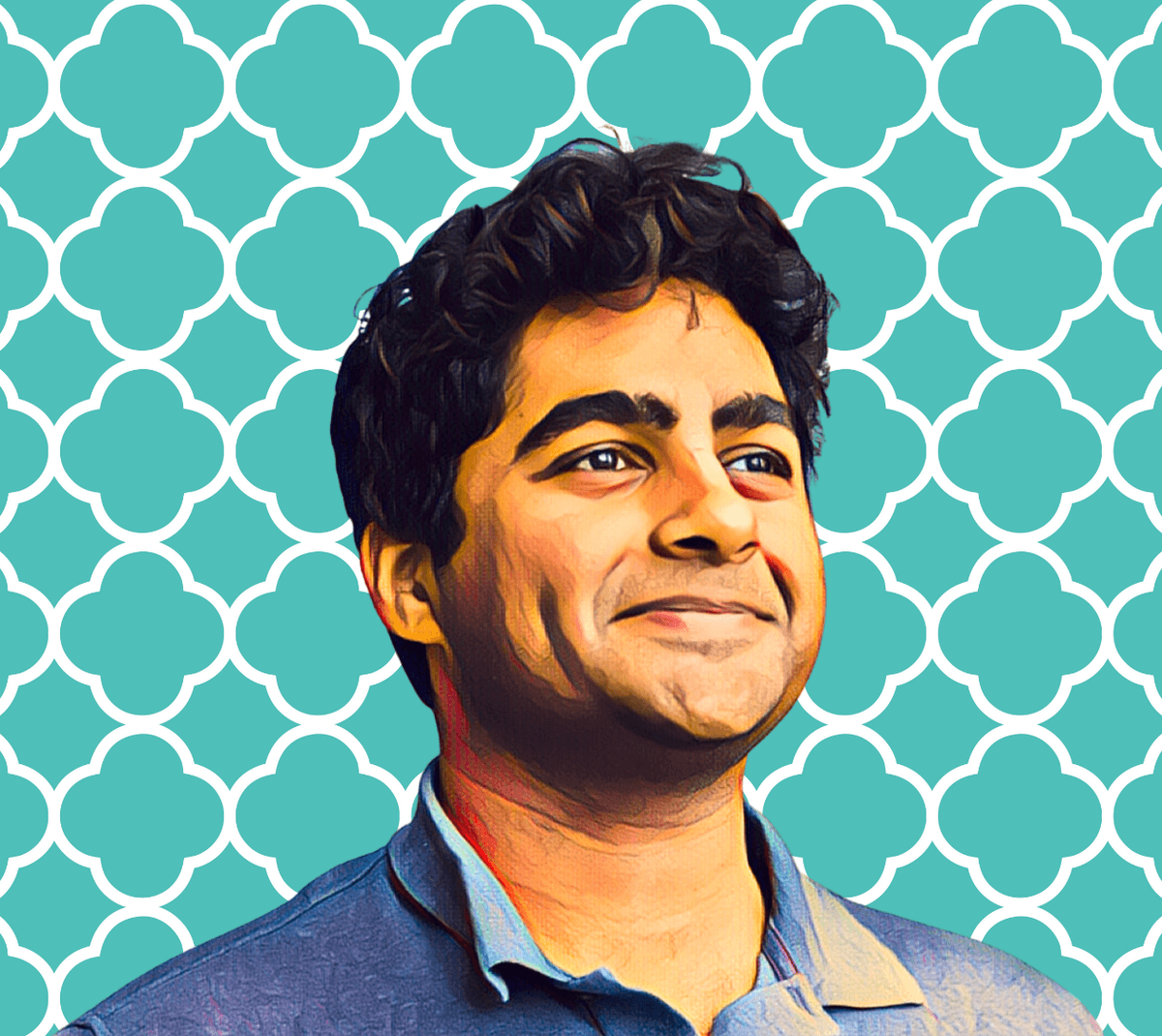
Palo Alto Networks has agreed to acquire Applied Compute, a young artificial intelligence company co-founded and run by 23-year-old Yash Patil, in an all-stock transaction valued at $4.5 billion.
The agreement comes less than a year and a half after Patil launched the startup with two fellow researchers from OpenAI. According to a report by Billionaires.Africa, the sale is widely reported to have made Patil a billionaire on paper, placing him among the youngest self-made billionaires of Indian origin.
How the All-Stock Deal Is Structured
The cybersecurity company revealed the agreement in a filing dated Nov. 18. The headline price can still be adjusted, and the final number of shares to be issued has not been locked in.
To set a reference point, Palo Alto used a price of $337.16 per share, its 15-day volume-weighted average closing price through Nov. 17. At that level, the deal would require roughly 13.3 million new shares, representing about 1.6% of the company.
The transaction is expected to close during Palo Alto's fiscal third quarter of 2027, pending antitrust approval in the United States. Investors reacted positively, with the stock climbing around 8% in after-hours trading after the news, which was released together with quarterly earnings.
A Rapid Climb in Valuation
The purchase price is roughly 1.4 times the $3.25 billion valuation Applied Compute secured only weeks before. That valuation came with a $350 million funding round led by angel investor Elad Gil.
Other backers include Nvidia, Kleiner Perkins and Lux Capital. The company had raised a $20 million seed round in June 2025, underscoring how quickly its value grew in a short period.
The founders have not made their ownership stakes public, so the exact size of each person's payout remains unclear.
What Applied Compute Builds
Applied Compute focuses on companies that would rather own tailored AI models than pay for access to large frontier systems. It trains and operates customized versions of open-weight models, including Alibaba's Qwen and Moonshot's Kimi.
Those models run on the startup's own cloud infrastructure. Its client list includes DoorDash, Nvidia, Microsoft and the legal AI company Harvey.
Patil has said the team's goal was to make it simple for any business to train, serve and continually improve its own models.
Why Palo Alto Networks Wants It
Palo Alto's chief executive, Nikesh Arora, framed the deal around the growing need to protect AI systems inside large organizations. "Every enterprise will run a mix of open and closed models," Arora said, adding that each one requires security.
Arora, who was born in India and has led Palo Alto since 2018, has pursued a series of acquisitions aimed at pushing the company further into AI security. Applied Compute ranks among the largest of those purchases.
Once the deal closes, Patil will join Palo Alto as co-chief AI officer.
The Founders Behind the Startup
Patil grew up in Austin, Texas, as the son of Indian immigrants. His father worked in circuit design and power architecture at Qualcomm and Arm.
While studying computer science at Stanford University, Patil met Sam Altman at a dinner hosted by the OpenAI chief and later emailed him about the company's chatbot team. He entered OpenAI's residency program at 20, working on post-training infrastructure and on the project that became Codex, OpenAI's coding tool.
He left Stanford in 2025 to found Applied Compute with Rhythm Garg, 24, and Linden Li, 25, both Stanford students and OpenAI researchers. Garg had worked on reasoning models at OpenAI, while Li focused on machine learning systems.
What the Deal Signals for AI Founders
The acquisition shows how quickly a specialized AI infrastructure company can attract strategic buyers when it sits at the intersection of custom models and enterprise security.
For founders, it highlights the value incumbents place on teams with deep experience at leading AI labs. For the wider industry, it suggests that securing a mix of open and proprietary models is becoming a central priority for large cybersecurity firms.
Source: Billionaires.Africa