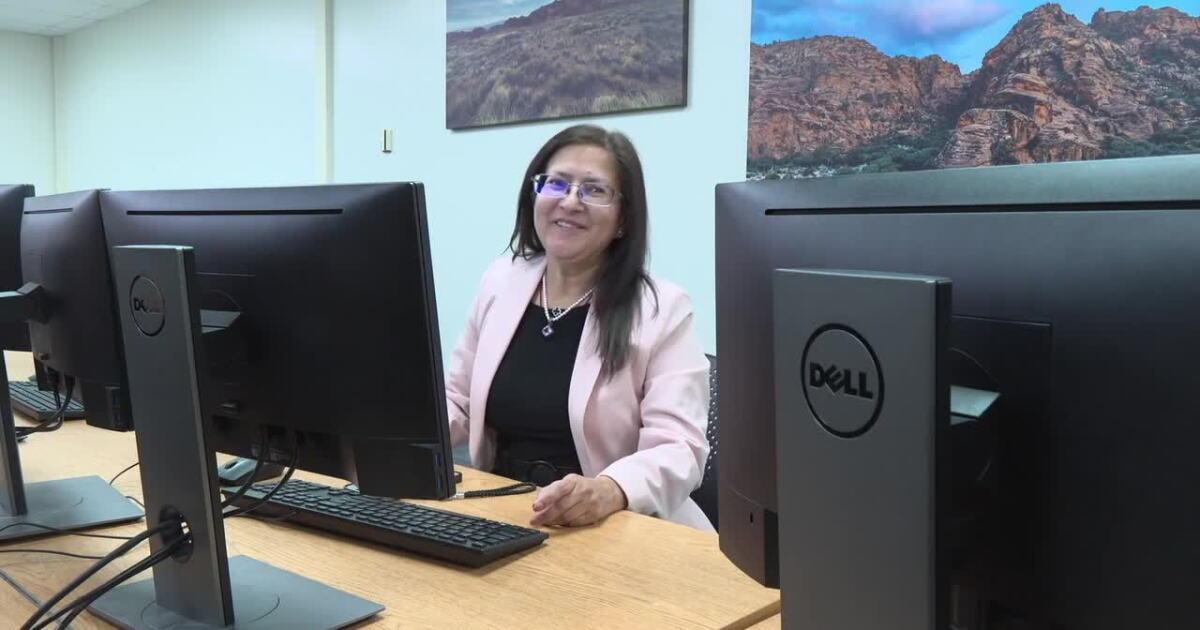
A steady stream of cyber incidents in the news is changing how security is taught at Southern Utah University in Cedar City, where faculty and students are treating current events as course material.
According to a report by FOX 13 News Utah, professor Shalini Kesar, who has decades of experience in the field, is folding live developments into her lessons so students learn to respond to threats as they emerge rather than only studying past cases.
Teaching at the Speed of the Threat Landscape
Kesar describes the work of defenders as a constant chase, with technology advancing so quickly that a new problem often appears before the last one is solved.
She told the station that material she covered in August could be outdated within a week. That pace pushes her to bring breaking incidents directly into class discussion.
She recently returned from a cybersecurity conference in Arizona with her students, another way she connects coursework to what practitioners are facing now.
Rebuilding Trust Before Building Skills
Recent disruptions, from a nationwide ground stop to problems affecting email and banking, have shaken public confidence in technology. Kesar said she must address that unease before she can teach effectively.
Freshman Austin Pira said trust in technology has dropped noticeably, pointing to the arrival of artificial intelligence as one factor. He added that security deserves more attention to ensure systems work as intended.
For Kesar, the wave of headlines underlines a simple point: the industry needs more trained cybersecurity talent.
Challenging the Hoodie Stereotype
Part of Kesar's job is correcting misconceptions about who works in security and what the work involves. She rejects the popular image of a lone hacker in a hoodie in a dark room and emphasizes that the field is creative.
She also stresses that security spans the ordinary as well as the technical, from a lock on a classroom door to multi-factor authentication used to sign in to a computer.
Graduate Students Already on the Front Lines
Kesar currently teaches graduate students who work in southern Utah and around the world, many of whom are already handling incidents in their jobs.
She said some occasionally miss an assignment or an optional Zoom session because they are busy responding to active problems, a sign of how closely the classroom is tied to real operations.
Why Critical Thinking Still Matters
Kesar expects the challenges to persist and believes both current professionals and newcomers will need to keep adapting, particularly as artificial intelligence reshapes the field.
She sees human judgment as the lasting advantage. "Critical thinking; that's what AI is not going to do," Kesar said.
For employers, educators and aspiring security workers, the program reflects a broader shift: training that mirrors live conditions and prioritizes adaptability may matter as much as any specific tool or technique.
Source: FOX 13 News Utah