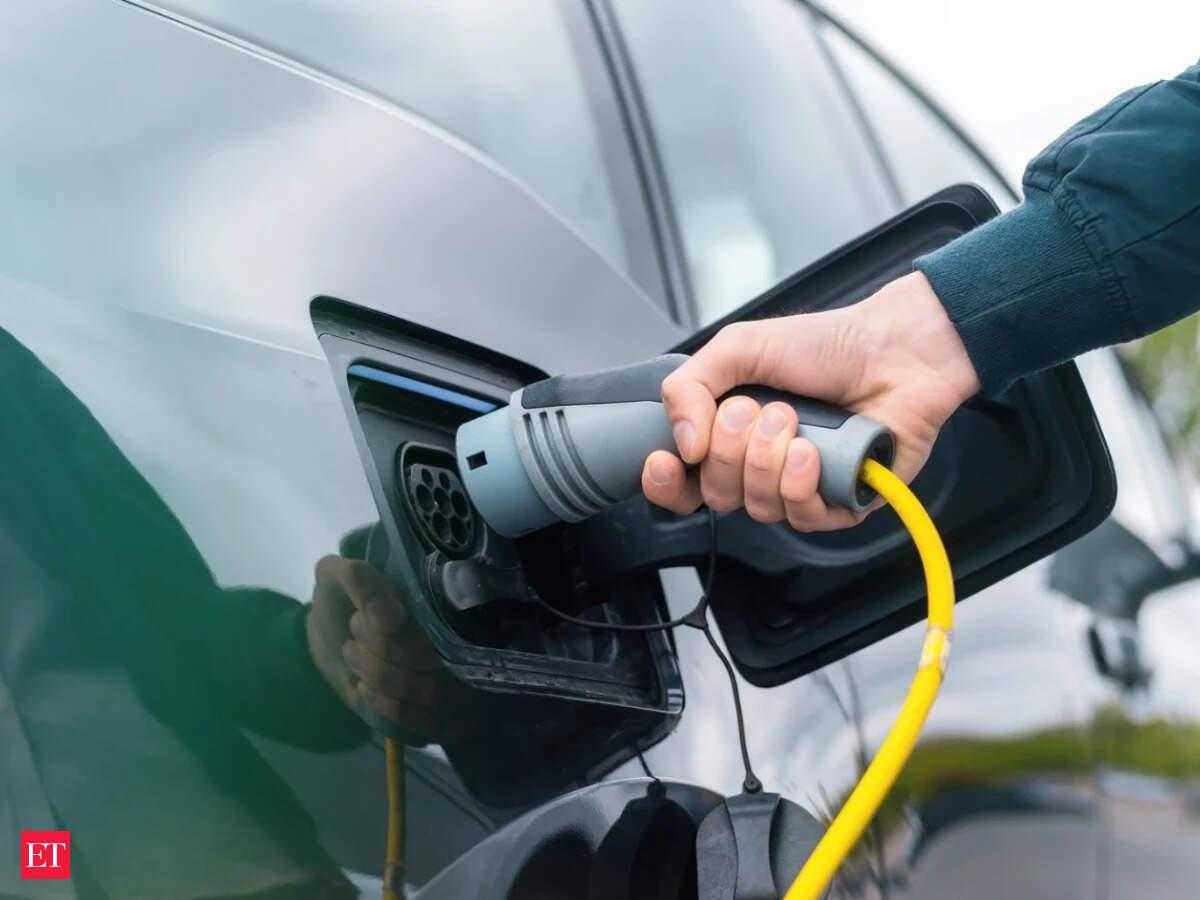
Researchers at the National Institute of Technology, Rourkela (NIT-R) in Odisha have been granted a patent for a smart power management system designed for electric vehicle charging stations.
The system is built around a solar-powered charging microgrid that draws on solar panels, the conventional electricity grid and a hybrid energy storage setup combining batteries with supercapacitors. The goal is to make charging stations more efficient, reliable and sustainable, according to a report by The New Indian Express.
The Problems Facing EV Charging Infrastructure
Beyond the ongoing need to build more chargers, the EV charging sector is grappling with several engineering challenges. One of the most pressing is what happens when many vehicles plug in at once.
Simultaneous charging can cause abrupt spikes in electricity demand, which risks destabilising the local power network serving the station.
Stations that rely on renewable energy face a separate issue. Solar output varies with cloud cover, the season and the time of day, making supply less predictable.
Why Batteries Alone Fall Short
Storage batteries are a common answer to renewable intermittency, holding surplus energy for periods when generation drops. However, frequent cycles of charging and discharging can wear batteries down and shorten their working life.
That trade-off creates cost and maintenance concerns for operators who want to lean on clean energy without replacing expensive storage hardware too often.
Managing Two-Way Power Flows
Most EVs today charge through a Grid-to-Vehicle arrangement, pulling electricity from the main grid. A growing area of interest is Vehicle-to-Grid technology, in which parked EVs send power back to the grid when it is needed.
Handling electricity moving in both directions safely and efficiently requires sophisticated control systems, adding another layer of complexity to station design.
How the NIT-R System Works
To address these issues, the researchers developed an improved control technique that automatically allocates power as conditions change, keeping the sharing of load between batteries and supercapacitors stable.
In their design, batteries take care of slower, sustained demand, while supercapacitors handle rapid swings. Professor Pravat Kumar Ray explained that "Supercapacitors used in our design can absorb and release energy much faster," making them well suited to sudden fluctuations.
By letting supercapacitors absorb the sharp current changes, the system shields batteries from stress that would otherwise degrade them, which the team says extends battery life.
The Team and Prototype Testing
The work comes from the institute's Electrical Engineering department. The team includes Professor Pravat Kumar Ray, associate professor Arnab Ghosh and research graduate Anindya Bharatee.
A prototype has been tested successfully under varying simulated solar generation and electrical demand conditions.
Looking ahead, Ghosh said the group plans to scale the prototype to a higher-power charging system, explore grid-forming control and multi-vehicle integration, run real-time field trials and work toward an industry-ready smart charging product.
What It Means for the EV Charging Market
The patent highlights how much of the EV transition depends on the less visible layer of power electronics and energy management, not just vehicles and charger counts.
For charging operators and startups, hybrid storage approaches like this one point to ways of integrating renewables while protecting costly battery assets. Whether the design proves commercially viable will depend on the field trials and scale-up work the team has outlined.
Source: The New Indian Express