Electric cars were the standout performers in India's festive car-buying season this year, growing strongly while petrol, diesel and CNG models all lost ground in a shrinking overall market.
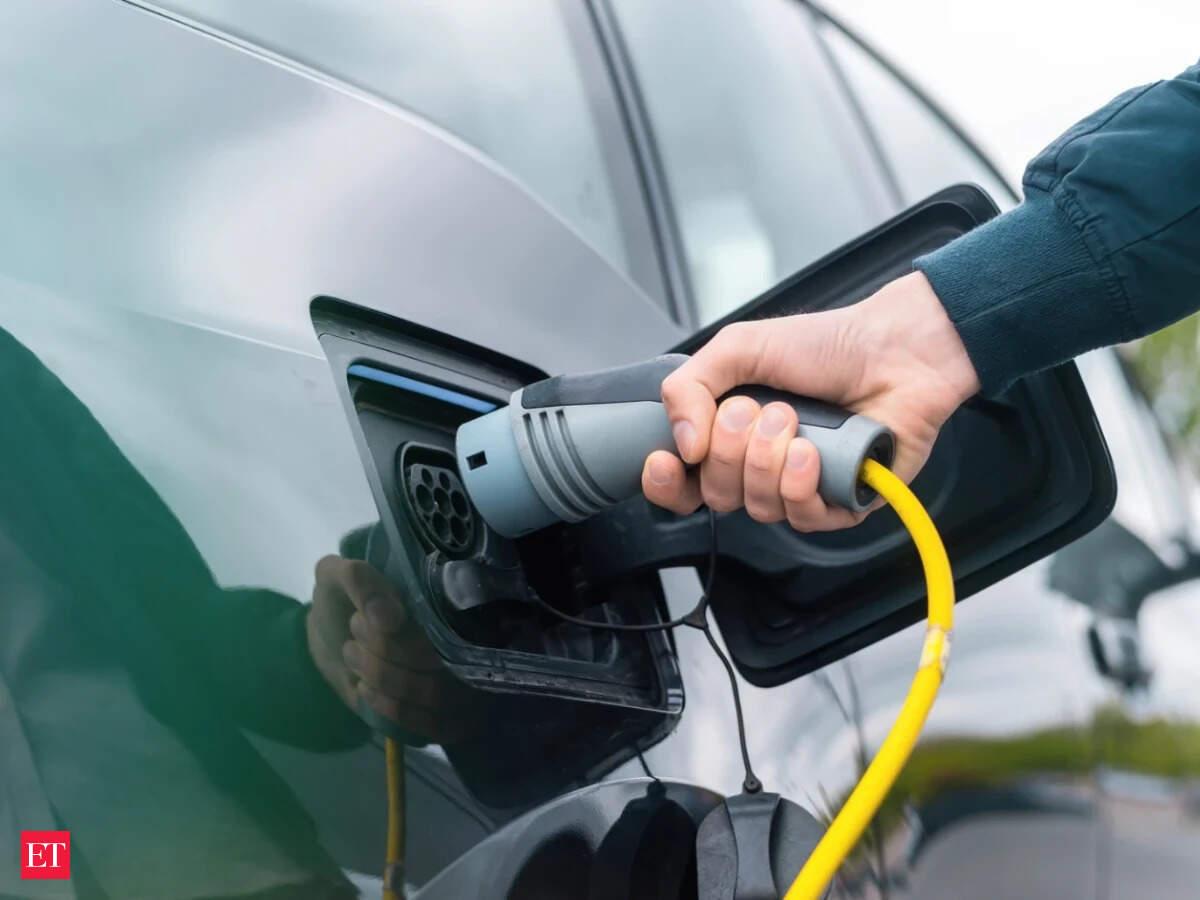
Customer deliveries of electric cars climbed 69% year on year to 40,122 units during the 32-day stretch from Navratri to Bhaidooj, which ended on November 11, according to a report by The Economic Times citing data from Dynamics. The period typically represents around 10 to 11% of the Indian auto industry's annual sales, making it a closely watched barometer of consumer demand.
A Shrinking Market With One Growing Segment
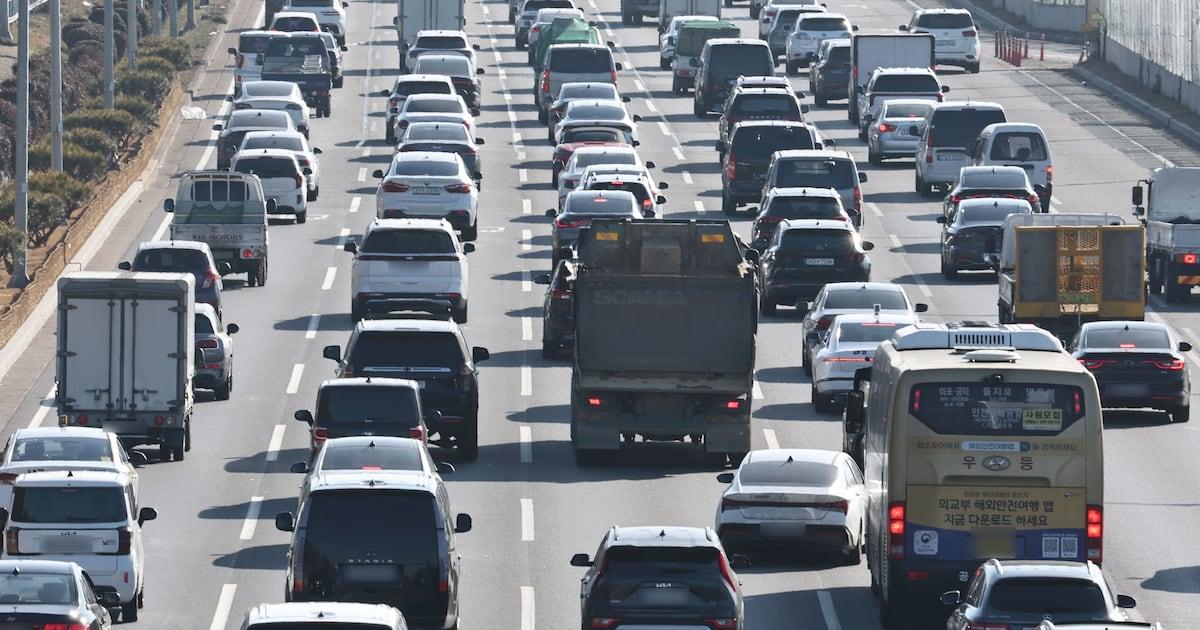
Total passenger vehicle retail deliveries fell 7.2% to 581,000 units, down from 626,000 units in the same festive window a year earlier. Against that backdrop, electric cars lifted their share of retail sales to 6.9%, up from 3.8% the previous year.
Much of the electric gain appears to have come at the expense of petrol cars. Petrol models still made up the largest slice of the market but saw deliveries drop 14.5%, from 352,000 units to 301,000 units. Diesel and CNG cars also declined, by 6.8% and 2.4% respectively.
Why the Comparison Looks Weak
The year-on-year decline in overall sales partly reflects an unusually strong base. Last year's festive figures were inflated by GST rate cuts that took effect on September 22, 2025, right as the main buying season began.
Retail delivery data also tells a different story from factory shipments. The Society of Indian Automobile Manufacturers reported double-digit growth in October dispatches from factories, as automakers stocked dealerships ahead of Diwali.
Tata Motors and Mahindra Dominate EV Sales
Tata Motors remained India's largest seller of electric cars, with festive retail sales up 71% to 16,220 units. Mahindra & Mahindra grew even faster, posting an 84% increase to 9,407 units.
Together, the two domestic manufacturers accounted for the large majority of electric cars delivered during the season, underlining how concentrated India's EV market remains among homegrown players.
Demand Is Running Ahead of Supply
Both leading companies say they cannot build electric vehicles fast enough. Shailesh Chandra, managing director of Tata Motors Passenger Vehicles, said on an earnings call last week that the company is currently meeting only 60 to 65% of demand for its EVs.
Tata plans to raise monthly supply from about 16,000 units to close to 20,000 units over the next two to three months. The company's EV sales grew roughly 90% to more than 47,000 units in the September quarter, and dealer inventory stood at only about 10 days.
Mahindra has faced similar limits. The company said capacity constraints have kept it from fully capitalising on demand for electric SUVs. Its EV production capacity of 8,000 units a month is expected to grow by 4,000 units by February or March.
Executives Expect the Shift to Last
Rajesh Jejurikar, Mahindra's executive director for the auto and farm sector, said at a post-earnings media briefing on November 5 that the move toward electric vehicles is unlikely to reverse even if crude oil prices soften.
He pointed to growing consumer awareness of lower running costs and increasing familiarity with electric vehicles as reasons the trend should hold.
What the Festive Numbers Signal for the Industry
The festive data suggests that Indian buyers are increasingly choosing electric cars even in a down market, and that the main bottleneck may now be production rather than demand.
For automakers and suppliers, the near-term opportunity lies in scaling manufacturing capacity and supply chains quickly. For newer entrants and component startups, a market where leading players are unable to fill orders points to room for additional capacity, while the dominance of Tata and Mahindra shows how much ground competitors still need to cover.
Source: The Economic Times