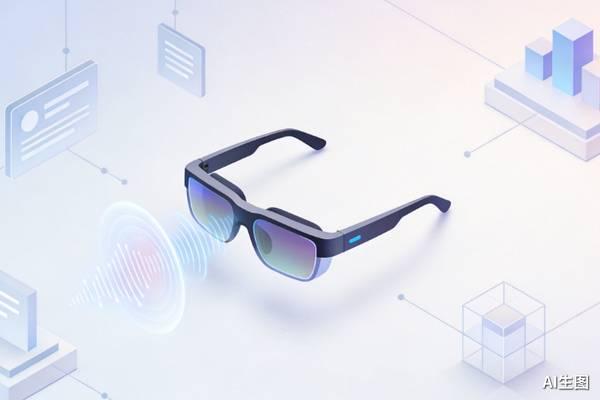
Apple's long-awaited entry into smart glasses is coming into sharper focus, and the first version will not include a display. The device, known internally by the codename N50, is built around cameras, audio and voice control rather than visual overlays.
The details come from Bloomberg's Mark Gurman, as summarized in an article published by 36Kr Europe and originally written by the WeChat account APPSO. Apple employees have reportedly taken to calling the product "AirPods worn on the face."
According to the report, Apple plans to unveil the glasses at its WWDC developer conference in June 2027, with shipments beginning toward the end of that year, timed to the iPhone's 20th anniversary.
Hardware Is Ready, Siri Is Not
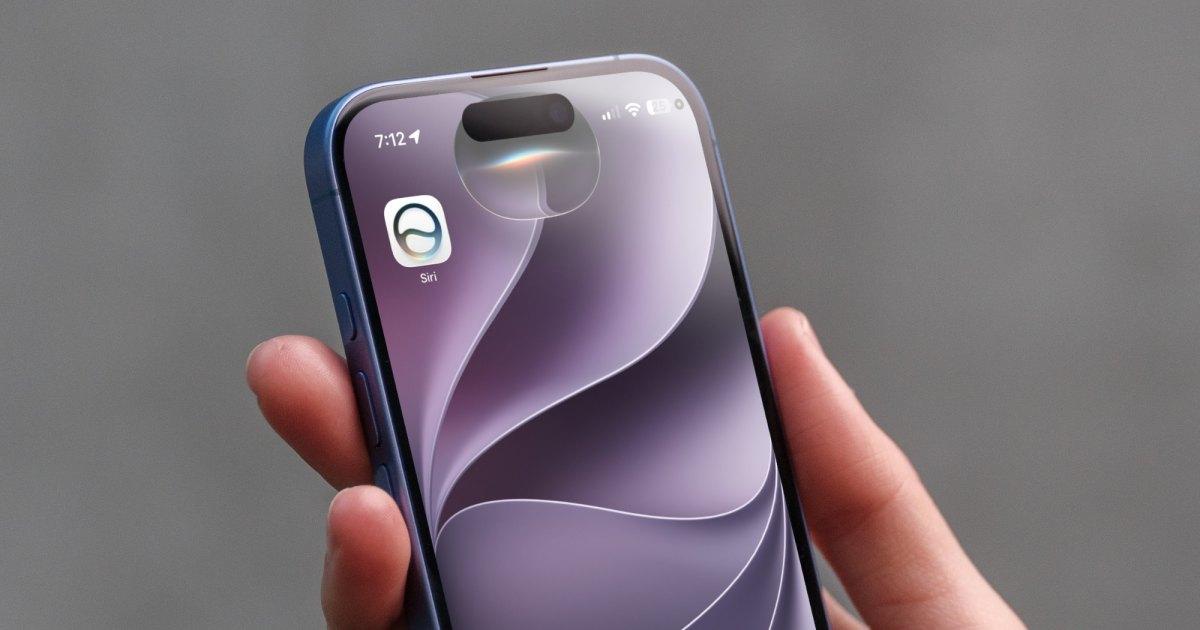
Much of the N50's hardware is said to be finalized already. The main reason for the wait is software: Apple's hardware team is holding off until Siri can deliver the capabilities Apple has been promising for roughly two and a half years.
Rather than chasing a display, Apple appears to want its first glasses to excel at voice interaction and understanding the user's surroundings, so Siri can interpret what the wearer is looking at and respond through sound.
A Lightweight Design Built for All-Day Wear
To keep weight, heat and power use down, Apple is reportedly adapting an older Apple Watch chip architecture into a low-power processor that runs a streamlined version of visionOS 28. The glasses also include Apple-designed wireless components and a vision engine dedicated to processing live camera footage.
Some prototypes are thinner than the second-generation Ray-Ban Meta glasses, with the camera tucked into an oval opening flush with the frame. Apple is preparing multiple styles and color options.
The glasses support Wi-Fi and can handle basic tasks such as audio playback without an iPhone nearby, but anything involving third-party apps still depends on a paired phone. A three-pin magnetic connector, roughly the size of a Tic Tac mint, sits at the end of the left arm so users can charge while wearing them.
Audio Takes Center Stage
Without a screen, sound becomes a primary interface. Apple staff reportedly consider the N50's audio quality to be among the best in the industry, supporting music, phone calls and FaceTime audio calls.
The strategy mirrors what has worked for Meta. While Meta has explored display-equipped and holographic designs, including an Orion prototype reported to cost about 10,000 dollars per unit, its commercial success has come from the screen-free Ray-Ban Meta line, which has sold millions of units.
The App Store as a Competitive Edge
Gurman argues that Apple's main advantage over rivals such as Meta and Google is the App Store. In the iOS 27.3 beta released this month, Apple added a long-delayed Siri capability that lets users trigger specific in-app functions by voice without opening the app.
Apple plans to support its own apps first in December, then open the feature to third-party developers next year. Because developers can adapt existing iOS apps rather than build separate glasses software, tasks like booking a table, hailing a ride or buying movie tickets could eventually be handled by voice through the glasses.
The glasses will require a relatively recent iPhone, which effectively rules out Android users. Apple's own visual intelligence and native apps will cover functions like translating signs, navigation, messaging and calendar management.
Overlap With Camera AirPods and Privacy Concerns
The N50 may face competition from inside Apple. The company is also developing AirPods with built-in cameras, planned for late 2027, that would likewise feed visual information to Siri, creating clear overlap with screenless glasses.
Apple reportedly intends to link the glasses, the camera AirPods and a high-end smart home device called HomeView, which features a robotic arm, with Siri acting as the shared hub. Privacy remains a challenge: the N50 prototype has a front-facing status indicator, and further privacy hardware is in testing. Earlier Apple patents explored color-changing frames, light signals, physical shutters and disabling the camera if the indicator is covered.
What the N50 Signals for the Wearables Market
For an industry watching Meta's early lead, Apple's approach suggests the near-term opportunity in smart glasses lies in comfort, audio and AI assistance rather than advanced displays. That raises the bar for AI quality more than for optics.
For developers, the message is to integrate core app functions with Siri now. For Apple, the outcome of the N50 will depend less on its hardware than on whether Siri finally becomes capable enough to justify a device built almost entirely around it.
Source: eu.36kr.com