In recent years, the relationship between startups and the U.S. government has grown stronger. This new alignment, driven by innovation in AI, automation, robotics, space, and climate tech, has created exciting opportunities, but also new challenges.
A New Era of Government-Startup Collaboration
Many startups today count the U.S. government as a customer or rely on federal permits and defense-related contracts. This connection offers stability and growth, especially when public funding and contracts flow smoothly. However, the flip side is becoming clearer, when the government shuts down, startups feel the impact directly.
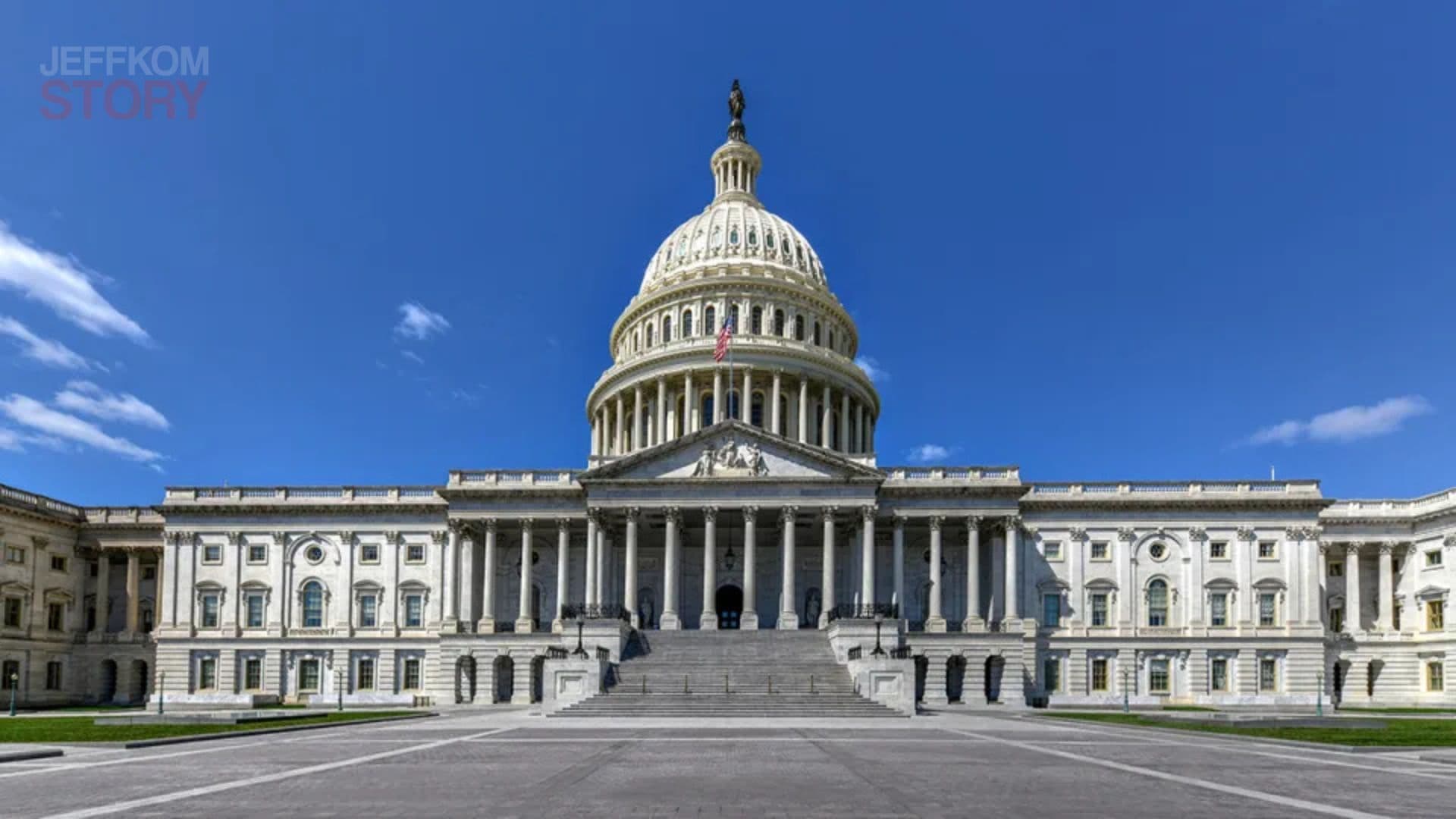
The recent U.S. government shutdown that began on October 1 has exposed how deeply intertwined these sectors have become. For some startups, operations have slowed or even halted, disrupting revenue streams and delaying innovation.
Why This Shift Matters
According to Equity podcast hosts Anthony Ha, Max Zeff, and Kirsten Korosec, this growing dependency marks a major shift from the past. A decade ago, most startups focused on consumer internet products. Now, the ecosystem has expanded into defense, deep tech, and regulated industries, where government involvement is essential.
As Ha noted, “Much broader swaths of the startup landscape now depend on the government in ways that weren’t true 10 years ago.”
The Trump Administration’s Expanding Role
The Trump Administration has also been reshaping this dynamic. Through the Department of Energy’s Loan Programs Office, it has renegotiated federal loans and even taken equity stakes in tech and industrial companies.
Recent deals include a 5% stake in Lithium Americas and another 5% in a Lithium Americas–GM joint venture to mine lithium in Nevada. These equity stakes, secured via no-cost warrants, reflect the government’s growing interest in owning part of the technologies that fuel national security and the green economy.
The Bigger Picture
For startups, government ties can be both a blessing and a risk. While they open doors to funding and legitimacy, they also introduce dependencies that can slow innovation when political or administrative hurdles arise.
As the U.S. government continues to invest directly in emerging tech, the future of startups will increasingly depend on navigating this complex partnership, balancing opportunity with resilience.