The Trump administration intends to keep pursuing restrictions on Chinese-made data center equipment, even though several of the largest U.S. technology companies, including Meta, have pushed back against the plan.
People briefed on the matter said the effort will move forward despite the industry opposition, according to a report carried by The Japan Times that drew on Reuters reporting.
What the Proposed Restriction Covers
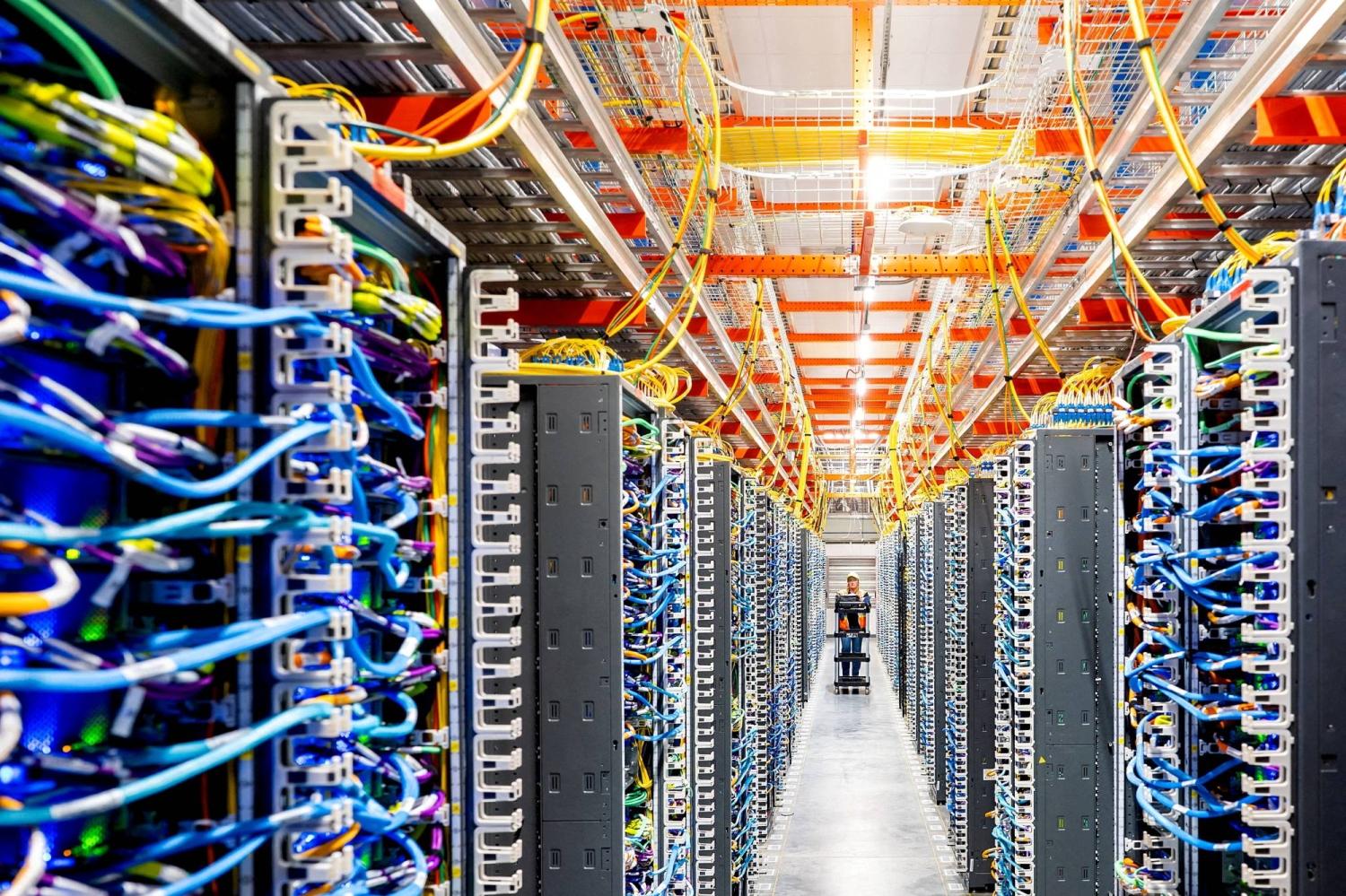
The measure centers on optical transceivers, components that let data move through fiber-optic cables inside data centers. They are a basic building block of the networks that link servers together.
It was reported in August that the Federal Communications Commission was seeking to bar U.S. imports of new models of these transceivers made in China, citing national security concerns.
Broader Industry Opposition Than Previously Known
The proposal has drawn more resistance than had been publicly understood. Amazon, Google, Meta, CoreWeave and Cisco joined Microsoft in a meeting with White House officials earlier this year to raise concerns.
That meeting had been reported previously, but the full list of participating companies points to a wide coalition of cloud providers, AI infrastructure firms and networking suppliers lining up against the rule.
A Warning About Compliance Timelines
According to two people familiar with the discussions, the executives told officials that U.S. companies could need as long as a decade to comply with such a mandate.
That estimate reflects how deeply embedded these components are in existing hardware supply chains. Replacing suppliers for a core networking part is rarely quick, particularly while companies are racing to expand capacity.
Why It Matters for Meta and Its Peers
Meta, like its large rivals, is spending heavily to build data centers to support artificial intelligence work. Any constraint on the networking parts that tie those facilities together could affect costs and construction schedules.
The administration's decision to press ahead signals that national security considerations are taking priority over the industry's concerns, at least for now.
What Comes Next for the Tech Sector
For companies building AI infrastructure, the episode highlights growing exposure to trade and security policy in parts of the supply chain that rarely draw public attention.
Founders and operators relying on large-scale computing may want to watch how the FCC rule takes shape, since sourcing changes at the biggest cloud providers can ripple through pricing and availability across the industry.
Source: The Japan Times