- By JeffkomStory Team
- Published on
Trump Administration Loosens Nuclear Safety Rules, Accelerating Reactor Development
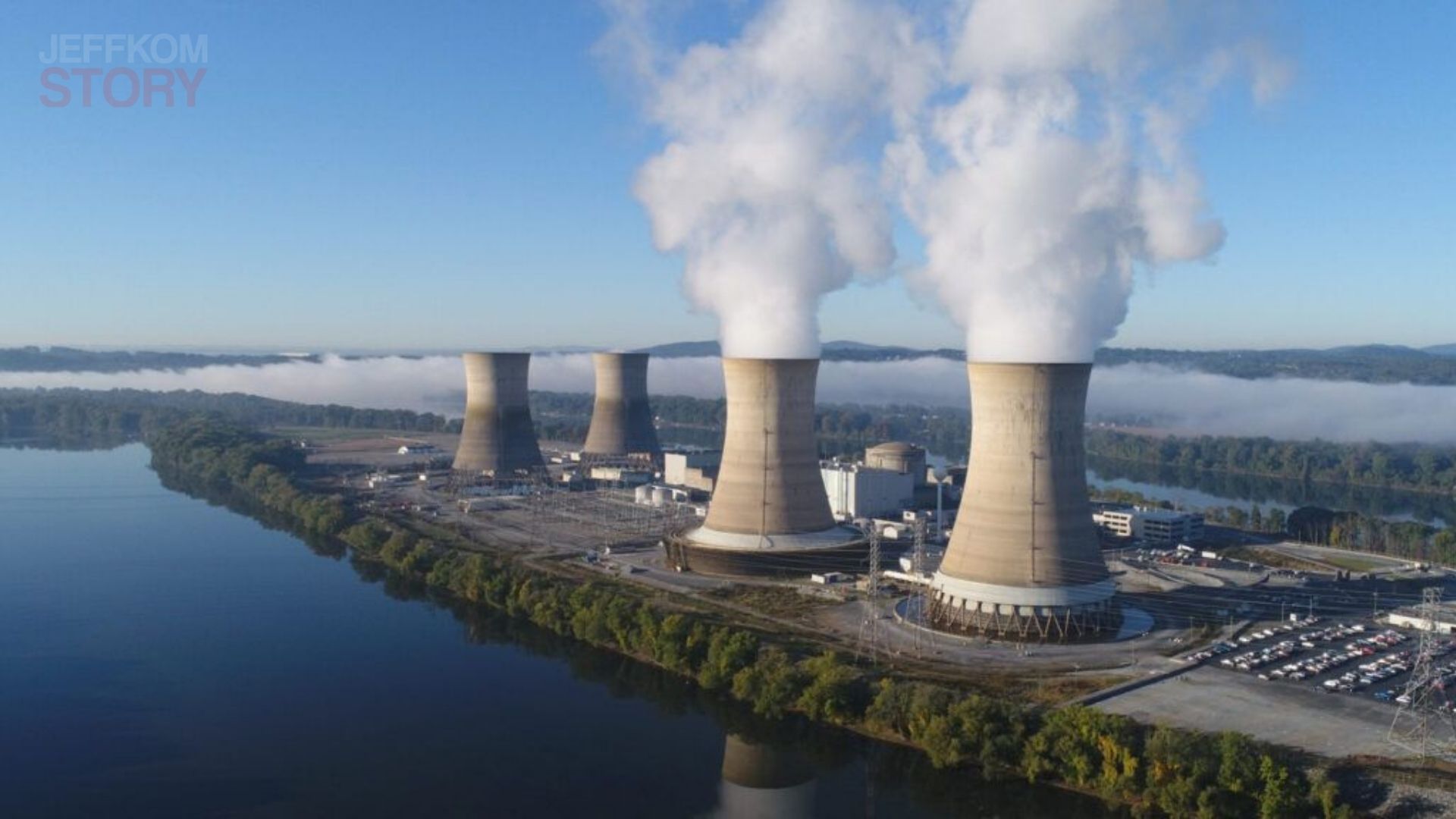
US nuclear energy is charging into a new era of rapid growth, but controversy is in tow. With nuclear start-ups raking in over $1 billion in the last few months, shifting federal safety rules under President Trump are making way for faster reactor development. But at the risk of higher environmental and health costs.
Nuclear Start-ups Get A Boost As Policy Shifts Take Hold
Electricity demand, largely driven by data centres and artificial intelligence infrastructure, has already prompted renewed interest in nuclear power. Now, the regulatory changes may just speed up the trend even further.
According to NPR, the Trump administration has quietly reshaped how the Department of Energy oversees nuclear reactors on federal land. The changes roll back long-standing safety and security requirements that had governed reactor development for decades.
What Has Changed in Nuclear Safety Oversight?
The revised framework looks like this:
- About a third of the DOE’s nuclear safety guidebook has been chucked
- Several other sections have been heavily re-written
- Requirements to limit groundwater and environmental pollution have been watered down from strict rules to voluntary guidelines
- Limits on radiation exposure for workers have been lifted
- Ensuring safety protocols are largely left to individual companies to sort out
All of these changes only apply to reactors built on DOE-owned land. Reactors put up elsewhere in the US are still under the tight-knit watch of the Nuclear Regulatory Commission, which has a much more hands on approach.
No Time for Public Scrutiny
One of the most contentious bits of the policy shift is the way it was done – without any public notice or a proper comment period. According to NPR, the new rules simply got dropped on the table without giving anyone a say.
Critics argue that doing it this way undermines trust and just makes the risk of regulatory gaps even higher, especially in an industry with long-term implications for the environment and human health.
The Great Push Towards July 4, 2026
Startups are currently building demonstration reactors on DOE property, with a July 4, 2026 deadline set by the Trump administration. More relaxed safety standards will let the companies get up and running faster – and without the regulatory headaches.
Some supporters argue that despite the rules being more relaxed, the US should keep up with modern nuclear technology. Opponents though are warning that this is all about speed over safety – and that’s a false economy.
Walking The Line Between Innovation and Safety
As nuclear power looks to clean up its act and become a more reliable source of power, the debate between safety and speed is getting a lot more heated. The revised DOE rules may unlock faster progress and more investment – but they also raise some serious concerns about accountability and long-term risks.
How this all shakes out could well shape the future of nuclear power in America for a very long time.
For more updates on the tech shaping the future of energy, follow Jeffkom Story.
Here are some related articles you may find interesting:
Why Trust Is Becoming the Biggest Question in the Elon Musk vs OpenAI Trial
The ongoing legal battle between Elon Musk and Sam Altman has become more than just a courtroom dispute....
Malware Data Archives Are Bigger Than You Think: Comparing Cyber Threat Databases to the Eiffel Tower
The world of cybersecurity is growing faster than ever, and so are the massive databases used to track...
Parker Startup Files for Bankruptcy: What Went Wrong for the Fintech Company?
The fintech startup world continues to face major challenges in 2026, and one of the latest names making...
Tesla Model Y Becomes First Vehicle to Meet New US Driver Assistance Safety Benchmark
The 2026 Tesla Model Y has achieved a major milestone in automotive safety by becoming the first vehicle...
Nuro Secures Driverless Permit for Lucid Robotaxis Ahead of Uber’s 2026 Launch
The race toward fully autonomous transportation is accelerating. Nuro has taken a major step forward...
Meta Acquires ARI to Accelerate Humanoid AI and Robotics Vision
Meta Strengthens Its AI Future with ARI Acquisition
Meta is making a bold move in the world of artificial...
Neurable’s Brain-Computer Interface Startup Aims to Revolutionize Consumer Wearables in 2026
Brain-computer interface (BCI) technology is rapidly moving from futuristic concept to real-world innovation,...
Yale Students Raise $5.1M Pre-Seed to Build Series: The AI-Powered Social Network Transforming Gen Z Networking
The startup ecosystem in 2026 continues to prove that innovation has no age limit. Two Yale University...
Most Interesting Startups at Google Cloud Next 2026 Driving the Future of AI
Google Cloud Next 2026 in Las Vegas made one thing clear, AI startups are at the center of cloud innovation....
Self-Driving Car Controversy in Texas: Duck Incident Sparks Debate on Autonomous Vehicles
The promise of safer roads and smarter transportation that comes with autonomous vehicles has always...
Popular Posts

Why Trust Is Becoming the Biggest Question in the Elon Musk vs OpenAI Trial
JeffkomStory Team
The ongoing legal battle between

Malware Data Archives Are Bigger Than You Think: Comparing Cyber Threat Databases to the Eiffel Tower
JeffkomStory Team
The world of cybersecurity is

Parker Startup Files for Bankruptcy: What Went Wrong for the Fintech Company?
JeffkomStory Team
The fintech startup world continues

Tesla Model Y Becomes First Vehicle to Meet New US Driver Assistance Safety Benchmark
JeffkomStory Team
The 2026 Tesla Model Y
Join Our Newsletter
Start your day with impactful startup stories and concise news! All delivered in a quick five-minute read in your inbox.