- By JeffkomStory Team
- Published on
Triomics Raises $15m Series a to Automate Cancer Clinical Trials Matching
For cancer patients, medicines administered in clinical trials can help save or extend lives.
But despite thousands of trials in the United States each year, only 3% to 5% of eligible patients enroll in investigations of new treatments.
Triomics, a generative AI startup, claims it can significantly reduce the time it takes doctors to match patients with trials.
Patients often rely on doctors’ recommendations to enroll. However, busy oncologists and nurses often lack the time to learn about all the clinical trials that may be right for their patients.
I am not a doctor, so I don’t know about the day-to-day challenges of oncology medical staff. But I unfortunately know from personal experience how hard it is to find clinical trials for cancer patients. When my father was sick, I spent countless hours poring over clinicaltrials.gov, a website and database that lists thousands of ongoing trials. And just in March, I spent half a Saturday trying to find a clinical trial for a friend who has stage IV cancer. Her doctor only offered one trial, so she asked me if there were other options.
Since most clinical trials have complex criteria, there are often dozens of factors such as stage of cancer, mutations and previous treatments for eligibility. Medical staff often need hours to manually review a patient’s medical record to find a fitting clinical trial. But a shortage of oncology professionals prevents many cancer patients from being offered the opportunity to participate or causes them to miss their eligibility window.
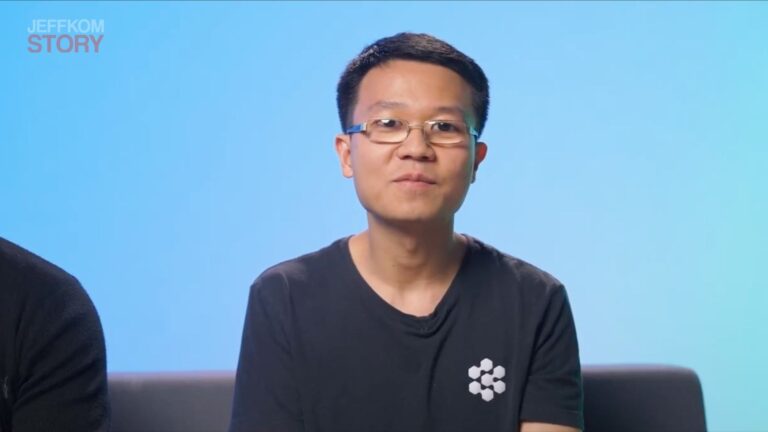
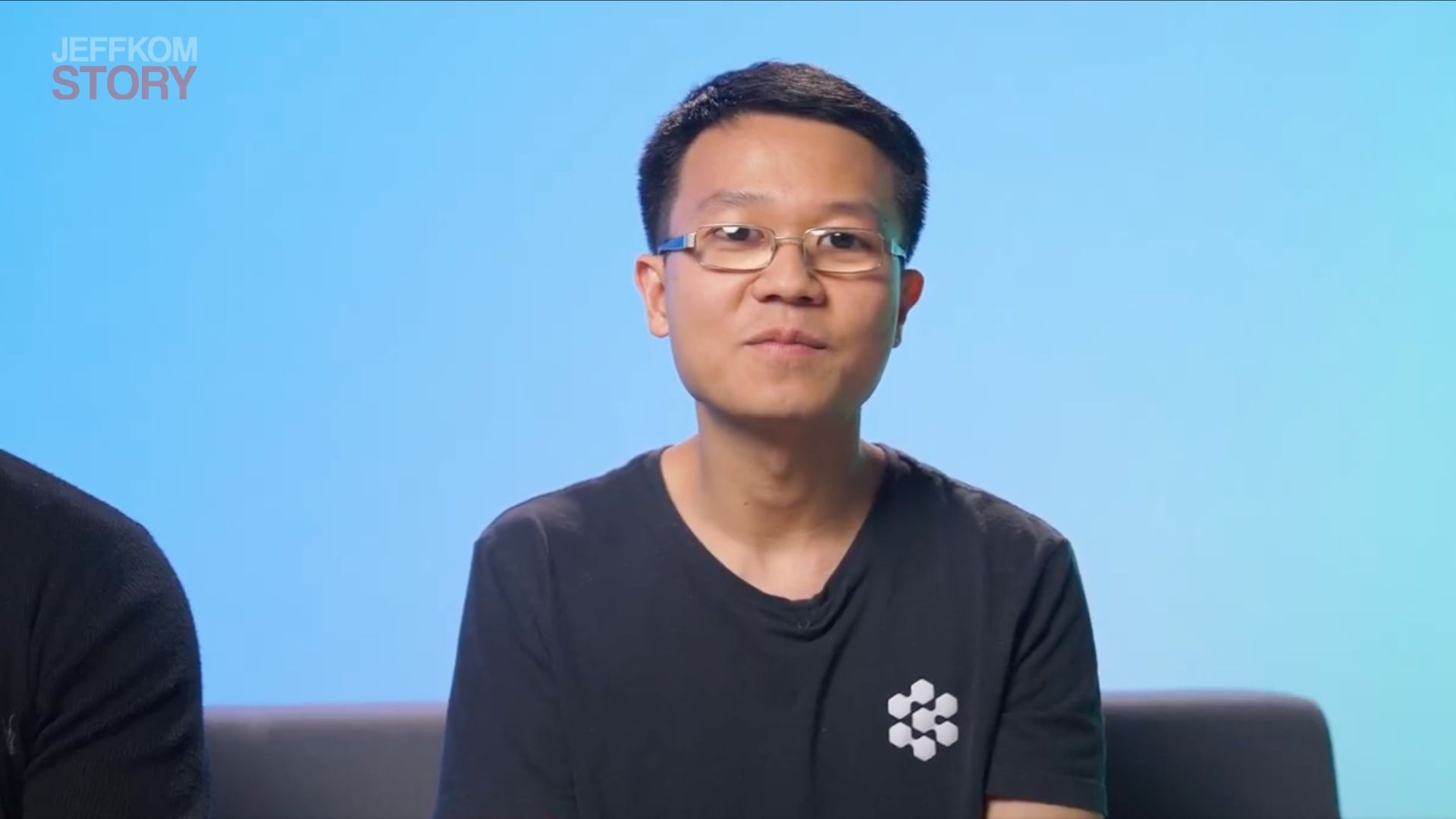
Former MIT biotech researcher Sarim Khan and AI scientist at Adobe Hrituraj Singh founded Triomics. The pair, who have been friends since college, decided to build Triomics in 2021 after realizing that advances in generative AI and LLMs could help extract data from electronic health records (EHR) to help find appropriate clinical trials for cancer patients in minutes instead of hours.
Khan and Singh entered Y Combinator in the winter of 2021 and proceeded to work on an LLM built specifically for cancer centers and oncology departments in hospital systems.
Within three years, Triomics says six cancer centers and hospitals are actively using or testing its LLM. With a $15 million Series A from Lightspeed, Nexus Venture Partners, General Catalyst and Y Combinator, the company will expand its platform and reach new customers.
While reducing how long it takes for patients to be matched with clinical trials may seem like the most immediately valuable application of Triomics software, Khan says that Triomics is a lot more than a clinical trials company. “Doctors use it for several different use cases that I could just go on and on about,” he said.
After Triomics released LLM, which the company is calling OncoLLM, it “reads” the patient’s medical record. This data could help doctors and other medical staff prepare for patient visits, or help submit cancer data to state regulatory agencies with details of organs affected and stages of progression.
Of course, Triomics isn’t alone in tackling this area. Other startups doing AI clinical trial matching include Deep 6 AI, QuantHealth, Trajectory, among others.
But Khan believes that Triomics is one of the few startups processing large swaths of datasets specifically for cancer centers.
Here are some related articles you may find interesting:
Why Trust Is Becoming the Biggest Question in the Elon Musk vs OpenAI Trial
The ongoing legal battle between Elon Musk and Sam Altman has become more than just a courtroom dispute....
Malware Data Archives Are Bigger Than You Think: Comparing Cyber Threat Databases to the Eiffel Tower
The world of cybersecurity is growing faster than ever, and so are the massive databases used to track...
Parker Startup Files for Bankruptcy: What Went Wrong for the Fintech Company?
The fintech startup world continues to face major challenges in 2026, and one of the latest names making...
Tesla Model Y Becomes First Vehicle to Meet New US Driver Assistance Safety Benchmark
The 2026 Tesla Model Y has achieved a major milestone in automotive safety by becoming the first vehicle...
Nuro Secures Driverless Permit for Lucid Robotaxis Ahead of Uber’s 2026 Launch
The race toward fully autonomous transportation is accelerating. Nuro has taken a major step forward...
Meta Acquires ARI to Accelerate Humanoid AI and Robotics Vision
Meta Strengthens Its AI Future with ARI Acquisition
Meta is making a bold move in the world of artificial...
Neurable’s Brain-Computer Interface Startup Aims to Revolutionize Consumer Wearables in 2026
Brain-computer interface (BCI) technology is rapidly moving from futuristic concept to real-world innovation,...
Yale Students Raise $5.1M Pre-Seed to Build Series: The AI-Powered Social Network Transforming Gen Z Networking
The startup ecosystem in 2026 continues to prove that innovation has no age limit. Two Yale University...
Most Interesting Startups at Google Cloud Next 2026 Driving the Future of AI
Google Cloud Next 2026 in Las Vegas made one thing clear, AI startups are at the center of cloud innovation....
Self-Driving Car Controversy in Texas: Duck Incident Sparks Debate on Autonomous Vehicles
The promise of safer roads and smarter transportation that comes with autonomous vehicles has always...
Popular Posts

Why Trust Is Becoming the Biggest Question in the Elon Musk vs OpenAI Trial
JeffkomStory Team
The ongoing legal battle between

Malware Data Archives Are Bigger Than You Think: Comparing Cyber Threat Databases to the Eiffel Tower
JeffkomStory Team
The world of cybersecurity is

Parker Startup Files for Bankruptcy: What Went Wrong for the Fintech Company?
JeffkomStory Team
The fintech startup world continues

Tesla Model Y Becomes First Vehicle to Meet New US Driver Assistance Safety Benchmark
JeffkomStory Team
The 2026 Tesla Model Y
Join Our Newsletter
Start your day with impactful startup stories and concise news! All delivered in a quick five-minute read in your inbox.