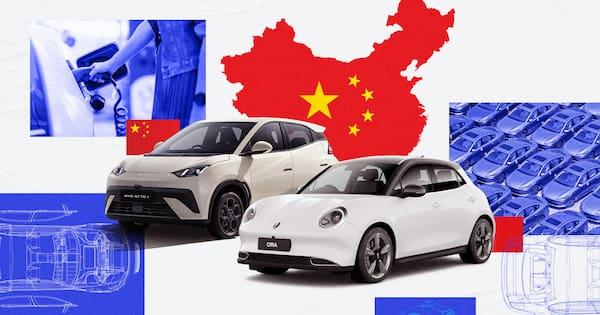
South Korea is buying far more cars from China than it sells there, and the imbalance has never been wider. Between January and October, the country's automotive trade deficit with China climbed to a record $4.23 billion.
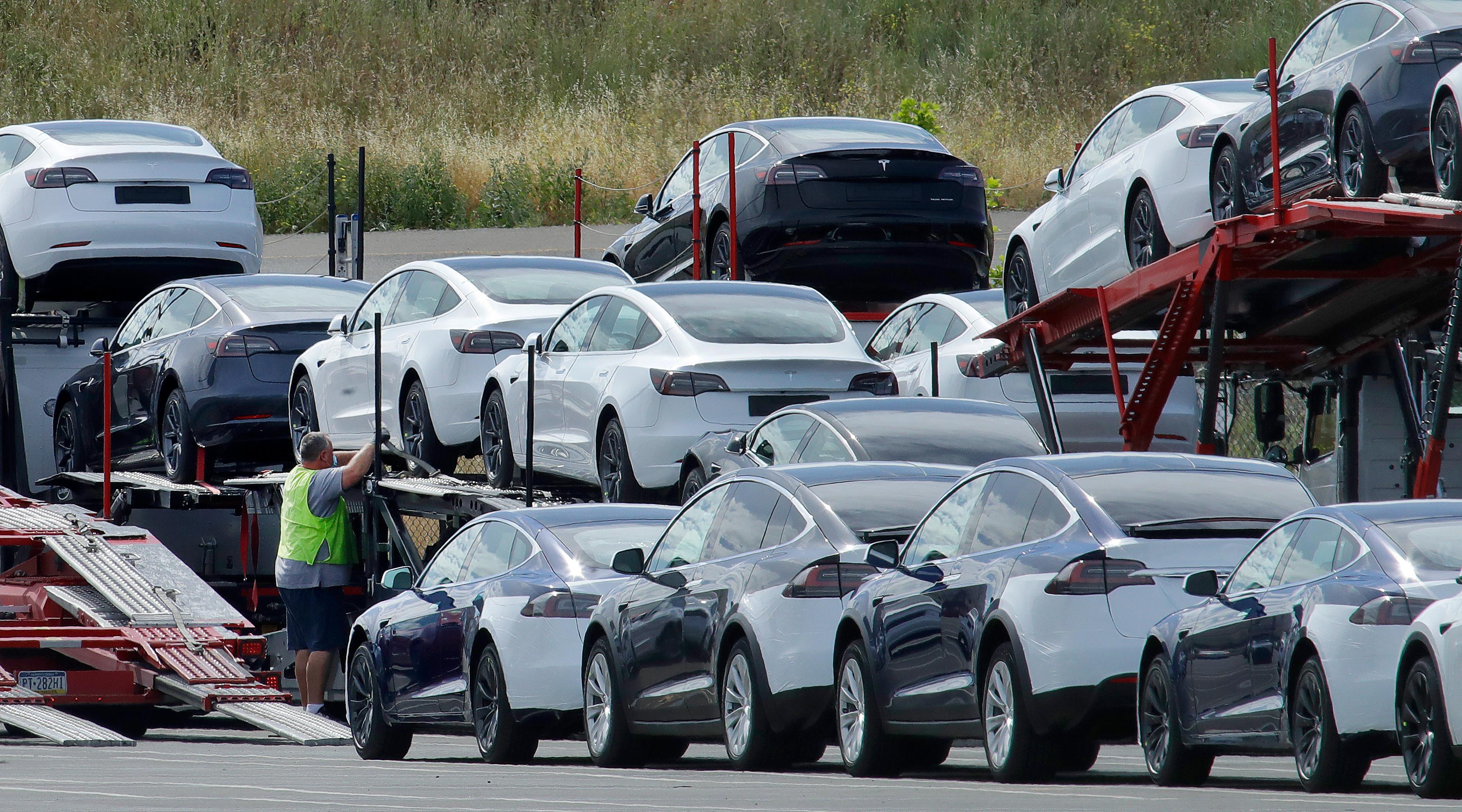
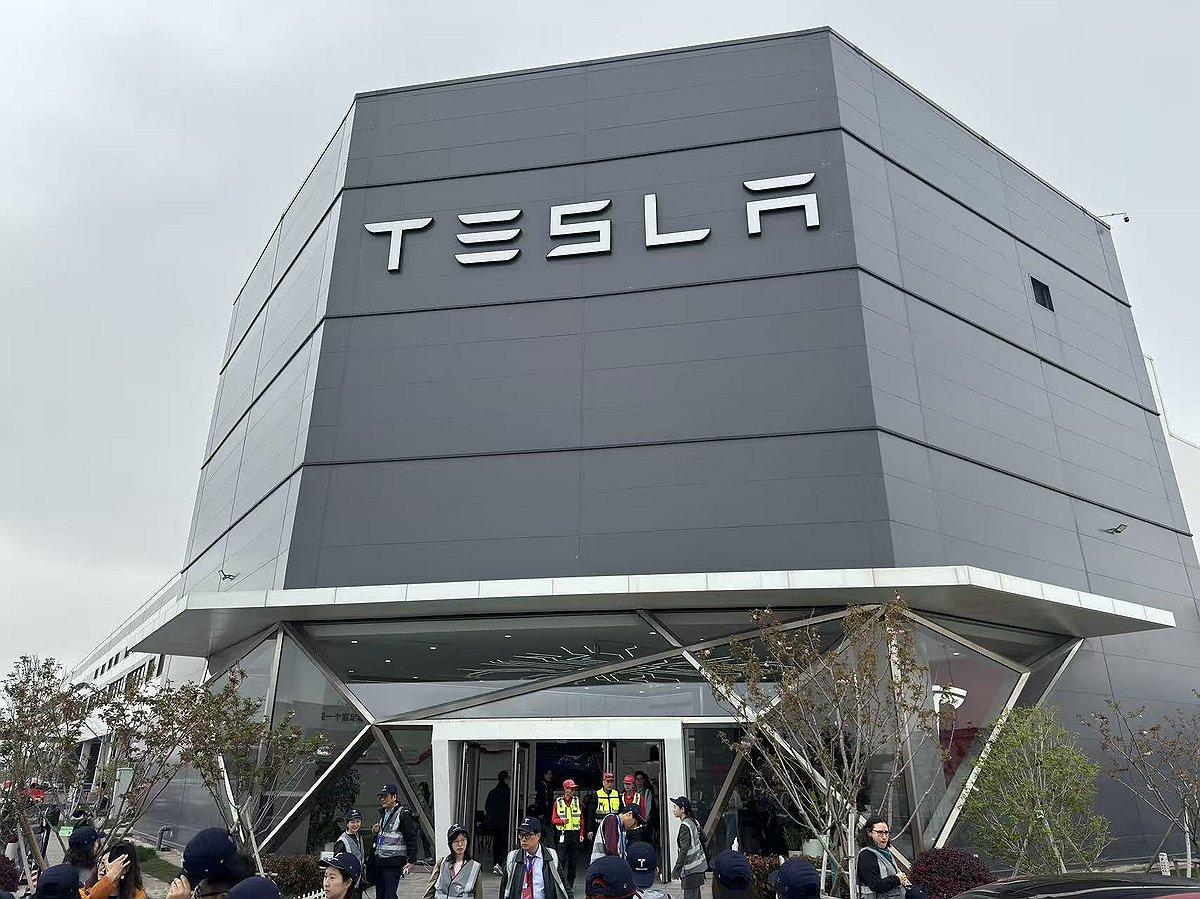
The main driver is not a Chinese brand but an American one. Tesla electric vehicles produced at the company's Shanghai Gigafactory have become a major import category, according to a report by Yonhap News Agency citing industry data released on Sunday.
Exports Shrink While Imports Nearly Double
Figures from the Korea International Trade Association and the Ministry of Trade, Industry and Resources show South Korean car exports to China totaled $168.77 million over the first ten months of the year. That was a decline of 34.9 percent from the same period a year earlier.
Imports moved sharply in the other direction. Cars shipped from China to South Korea rose 79.2 percent year on year to $4.39 billion, leaving the record deficit in their wake.
A Gap That Has Widened Every Year
South Korea has run a car trade deficit with China every year since 2017, but the shortfall has accelerated recently. It stood at $466 million in 2022, rose to $943 million in 2023 and reached $1.73 billion in 2024.
This year's ten-month total is already more than double the full-year figure for 2024, underscoring how quickly the trade relationship in vehicles has shifted.
Tesla's Shanghai Output Leads the Surge
Much of the increase traces back to Tesla, which supplies many of the vehicles it sells in Asian markets from its Shanghai factory. Data from the Korea Automobile Importers and Distributors Association shows 98,313 Tesla EVs were sold in South Korea from January through October.
That figure represents a 105 percent jump from a year earlier, making Tesla one of the most prominent imported car brands in a market long dominated by domestic manufacturers.
Chinese Brands Are Gaining Ground Too
Tesla is not the only company bringing China-made EVs into South Korea. BYD, China's largest electric vehicle maker, sold more than 20,000 cars in the country over the same ten-month period.
Polestar, the electric performance brand, has also been selling vehicles manufactured in China to Korean buyers, adding to the overall flow of imports.
China Overtakes Germany as Top Car Supplier
The rise in China-made vehicles has reshaped where South Korea sources its imported cars. In the first half of the year, China passed Germany to become the country's largest source of car imports.
German brands have traditionally held a strong position among Korean buyers of imported vehicles, particularly in the premium segment, which makes the shift notable.
What the Shift Signals for the EV Market
The data illustrates how China has become a global production hub for electric vehicles, serving both Chinese automakers and foreign companies such as Tesla. For South Korea, home to major carmakers and battery producers, the growing reliance on China-built EVs adds pressure on domestic players competing in their own market.
For industry watchers, the numbers suggest that where an EV is manufactured can matter as much as the brand on the badge when it comes to trade flows, and that competition in South Korea's EV segment is likely to keep intensifying.
Source: Yonhap News Agency