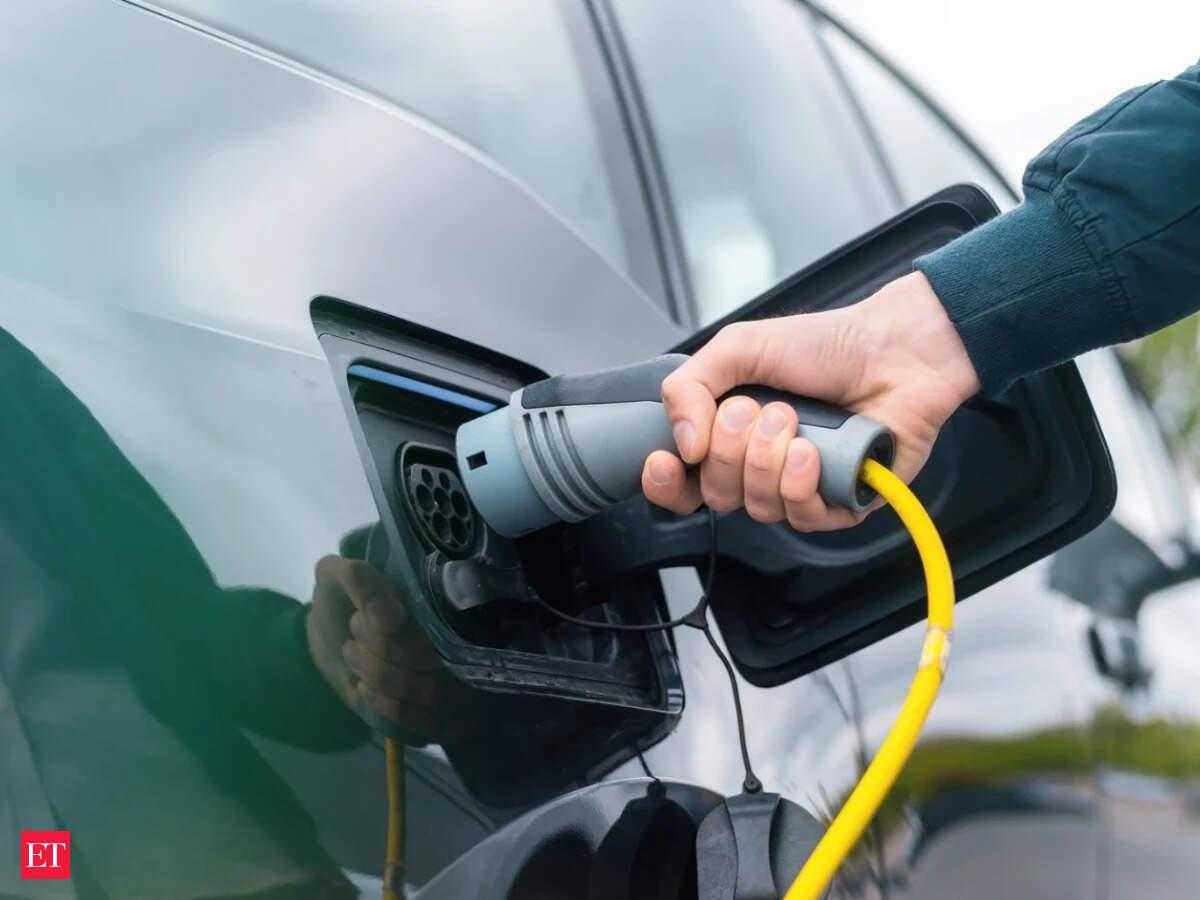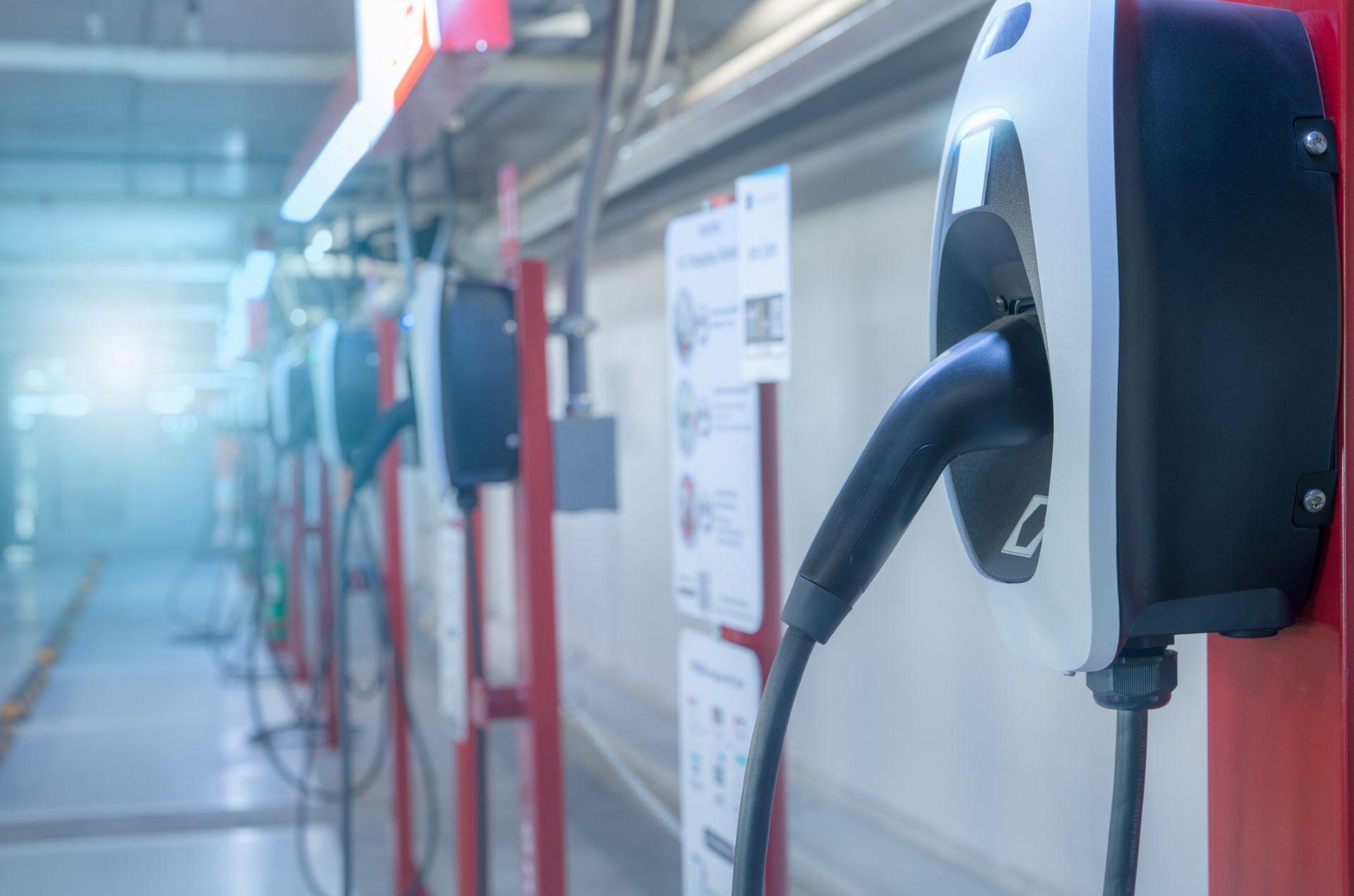
The city of Homewood, Alabama, is weighing a proposal that would prohibit new electric vehicle chargers from being installed in certain enclosed parking structures, citing the difficulty firefighters face when battling lithium-ion battery fires in tight spaces.
The restrictions, now under review by the Homewood City Council, would apply to underground garages and parking areas located beneath occupied buildings. Chargers already legally in place would be allowed to remain, according to a report by The Cool Down, which drew on coverage from local station WBMA.
Fire Chief Points to Firefighting Access
Homewood Fire Chief Brandon Broadhead told the council at its November 9 meeting that he had asked for the proposal himself. His concern centers on whether crews can reach and put out a battery fire inside a confined parking structure.
Lithium-ion battery fires are known to burn hot and can be hard to fully extinguish, which complicates response efforts in low-ceilinged, enclosed spaces where smoke and heat build up quickly.
Broadhead framed the measure as a matter of public safety and giving his department a realistic chance to control such fires.
New Developments Prompted the Review
According to Broadhead, the timing was driven in part by several planned projects in the area. Among them is the Andrews Sports Medicine and Orthopaedic Center in Brookwood.
City officials were also considering another development currently under construction, as well as the parking deck located beneath Homewood City Hall.
Exemptions for Homes and Existing Chargers
Broadhead stressed that people who charge their EVs at home are not the focus of the rules. Parking areas serving residential buildings with four or fewer units would be exempt.
Chargers that were legally installed before the rules take effect could stay, provided they are not substantially modified. The proposal would also not stop residents from owning or driving electric vehicles, or from parking them anywhere parking is otherwise permitted.
Rules Could Change as Technology Improves
Officials signaled that the restrictions are not necessarily permanent and could be revisited as EV battery technology and firefighting methods advance.
Broadhead said the department would ask the council to lift the rules "once the technology comes up enough that we feel this is no longer needed."
A Broader Balancing Act for Local Governments
Homewood's debate reflects a wider challenge facing municipalities as EVs and charging stations become more common. Local officials are trying to support the shift to electric vehicles while addressing safety questions that existing fire codes may not fully anticipate.
Charging access has run into a range of local hurdles elsewhere, from power and infrastructure limits to permitting requirements and building electrical constraints.
What It Means for Developers and EV Drivers
For developers planning mixed-use buildings or projects with underground parking, rules like Homewood's could shape where charging infrastructure goes, potentially pushing it to surface lots or open-air decks.
For charging companies and EV drivers, the proposal is a reminder that the rollout of public charging depends not only on hardware and demand, but also on local fire codes and how quickly firefighting capabilities catch up with battery technology.
Source: The Cool Down