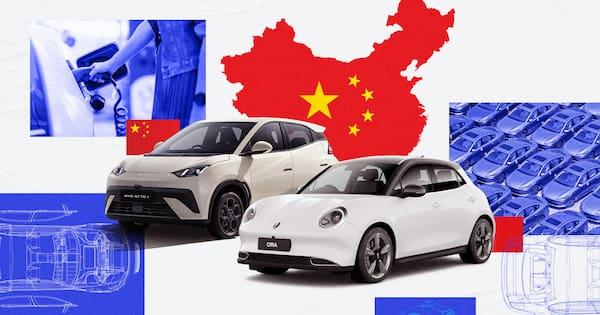
New Zealand motorists can now buy a brand-new electric car for under $30,000, a price point that seemed out of reach only a few years ago. The shift is being driven almost entirely by Chinese manufacturers.
At least 13 fully electric models are currently available in the country for less than $40,000, and every one of them comes from a Chinese-owned carmaker. That list includes MG, a brand many still associate with Britain.
According to a report by 1News, EV expert Gavin Shoebridge sees the moment as a turning point for buyers, though he cautions that cheaper cars come with compromises worth weighing.
Prices Have Fallen Sharply in Two Years
Two years ago, the cheapest regularly priced new EV in New Zealand cost just under $43,000. Today that title belongs to the Dongfeng Box, listed at $29,990 plus on-road costs.
The five-seater advertises a 317km range and comes with a 12-inch touchscreen, Apple CarPlay and a 360-degree camera, features once limited to pricier vehicles. Shoebridge describes the trend as Chinese brands making formerly high-end gadgets available to ordinary buyers.
Range is improving too. Every model under $40,000 claims more than 200km per charge, and the GWM Ora 5 advertises 435km for $36,990.
Why Chinese Brands Can Undercut Rivals
Chinese EV makers have benefited from lower labour costs, significant state support and a huge home market, allowing them to price vehicles at levels established carmakers find difficult to match.
Fierce competition within China is now pushing these companies to seek growth abroad. Shoebridge believes they are willing to absorb short-term losses overseas to gain a foothold, and he expects them to succeed.
"China aren't scared of taking a hit in the short term in the foreign markets to win," Shoebridge said. For consumers, he argues, the resulting competition is welcome.
Data Collection and Security Questions
Not every feature will suit every driver. Some models, including GWM Ora vehicles, use cameras that monitor whether the driver is watching the road, a feature Shoebridge admits he sometimes covers up.
Such cameras feed into broader worries about the data modern cars gather. The i Paper in Britain reported that some UK defence staff were told to park vehicles with Chinese components well away from a military intelligence site, citing concerns about sensors, navigation systems and phone connections.
Data collection is not unique to Chinese carmakers, but critics point to Chinese national security laws that could let authorities demand company-held information. Chinese officials have called claims of security threats from their vehicles groundless.
Unfamiliar Brands and Resale Value
Names such as Dongfeng, Arcfox, GAC and BAIC are new to many New Zealanders. Shoebridge advises buyers to check how established a brand is locally, whether parts are easy to source and how readily cars can be serviced.
Carmakers do exit markets, as the end of production at Saab and Holden shows. For cautious buyers, he recommends an established brand with a solid warranty and dependable local support.
Depreciation is another concern, especially as new-car prices keep dropping. Shoebridge's suggestion is to buy second-hand, letting the first owner absorb much of the early loss, though values can still fall further.
Running Costs Remain the Main Draw
EVs typically need less maintenance than petrol cars, with no oil changes, cambelts or spark plugs. Shoebridge estimates energy costs at about $5 per 100km for an EV versus roughly $24 for a petrol car.
That figure excludes road-user charges of $76 per 1000km, which add $7.60 per 100km before fees. Public fast charging can also cost considerably more than charging at home, so savings depend heavily on how owners charge.
What the Shift Means for the Market
Adoption is already climbing. In October, battery-electric and plug-in hybrid vehicles made up nearly 23% of new light-vehicle registrations in New Zealand.
China shows how far the trend could go, with plug-in vehicles taking more than two-thirds of new passenger-car retail sales there in the same month. For buyers, the opportunity is real, but so is the need to look past the sticker price at support, data practices and long-term value.
Source: 1News