Microsoft is defending Windows against the perception that it has become a weaker platform, even as the operating system required more than 1,000 security fixes in October 2026 alone.
Across its full product line, the company's October security release covered 1,413 CVEs, the industry-standard identifiers for publicly disclosed vulnerabilities. Microsoft argues the swelling numbers are a sign of more thorough inspection rather than declining quality, and it is pressing customers to install patches as soon as they ship.
A Steady Climb in Disclosed Vulnerabilities
According to a report by Windows Latest, the warnings from Microsoft have been building for roughly six months, with one of the clearest coming in July 2026. Monthly vulnerability counts have been rising compared with 2025, and each new month has tended to surpass the last.
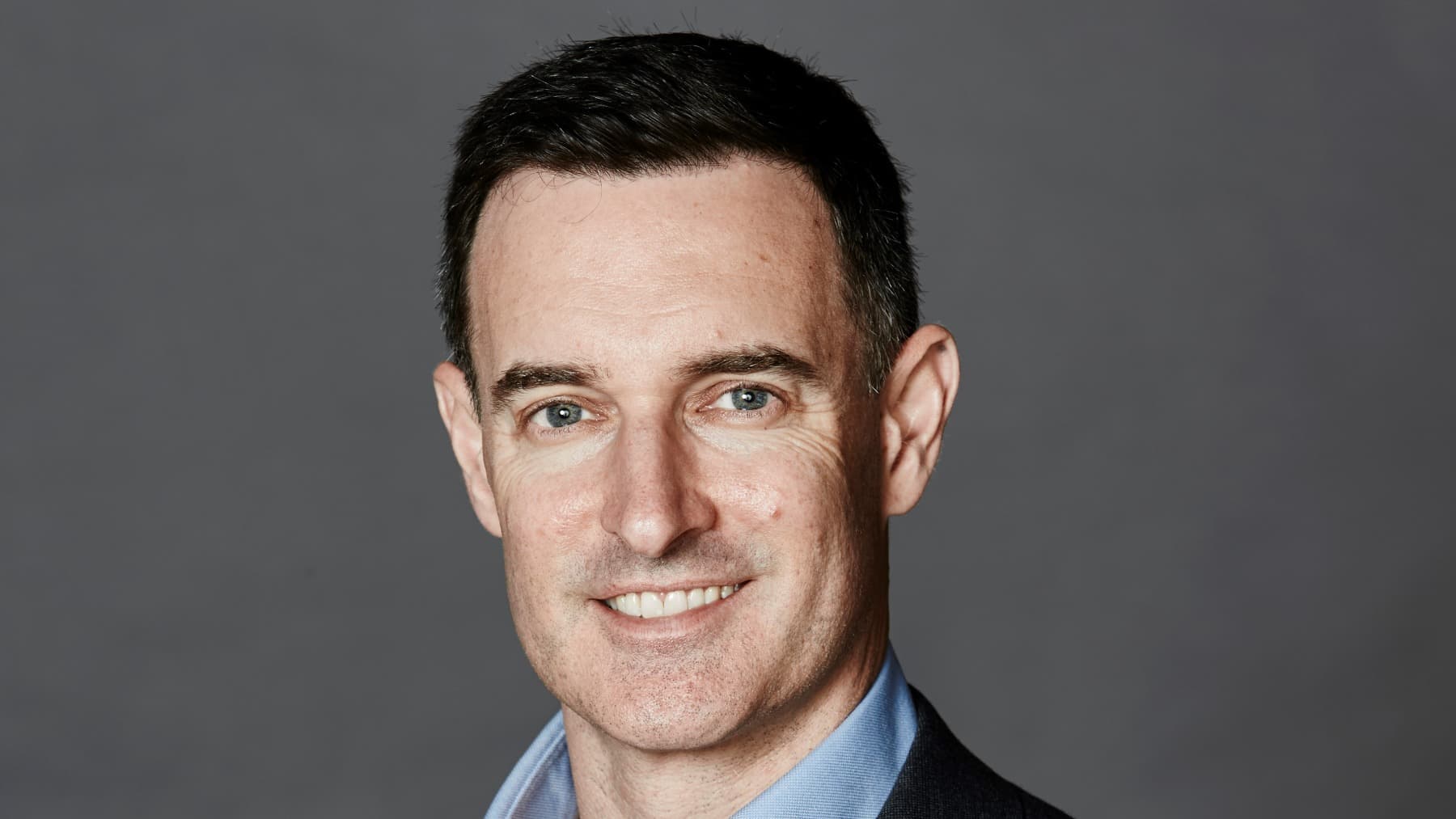
Jeremy Chapman, a director at Microsoft 365 who works with Windows customers on security, said the total number of addressed vulnerabilities has been increasing since April. He added that Microsoft no longer recommends holding back monthly updates for three days or longer, citing a real risk to unpatched systems.
Microsoft's Case That More Fixes Mean Better Security
The company's central argument is that a higher CVE count reflects more bugs being found and closed. In a lengthy internal document reviewed by Windows Latest, Microsoft said it is using AI to examine more code in greater depth.
"A higher number of CVEs does not mean Windows has become less secure," the company stated, framing each fix as one fewer opening for attackers. Microsoft also points to transparency, saying detailed CVE disclosures help outside researchers and security teams understand and act on the issues.
The company has signaled that it does not expect these numbers to drop. Even as it promises further security improvements, Microsoft indicates that the volume of fixes seen in recent months is likely the new normal.
AI Is Speeding Up Both Defenders and Attackers
Microsoft openly acknowledges that artificial intelligence cuts both ways. Nuno Costa, Partner Director for Windows Servicing and Delivery, noted that AI can help defenders find and fix flaws earlier, but it can also help attackers hunt for vulnerabilities before patches exist.
Attackers can also use AI to dissect fixes after they are published. Once a monthly update and its associated CVE details go public, malicious actors can analyze the changes to reverse-engineer the underlying weakness, a process Microsoft warns can now take only hours.
Inside Microsoft's AI Bug-Hunting Effort
A key part of Microsoft's approach is a tool called MDASH, an AI-powered scanner built on the company's own security model. It also draws on partner technology, including Anthropic's Mythos, and uses specialized agents to identify and confirm potential vulnerabilities.
Microsoft says humans remain in control of the process. While AI surfaces bugs and assists in building fixes, a human engineer makes the final call. AI is also helping engineers quickly determine which Windows versions a given flaw affects, allowing patches to ship faster.
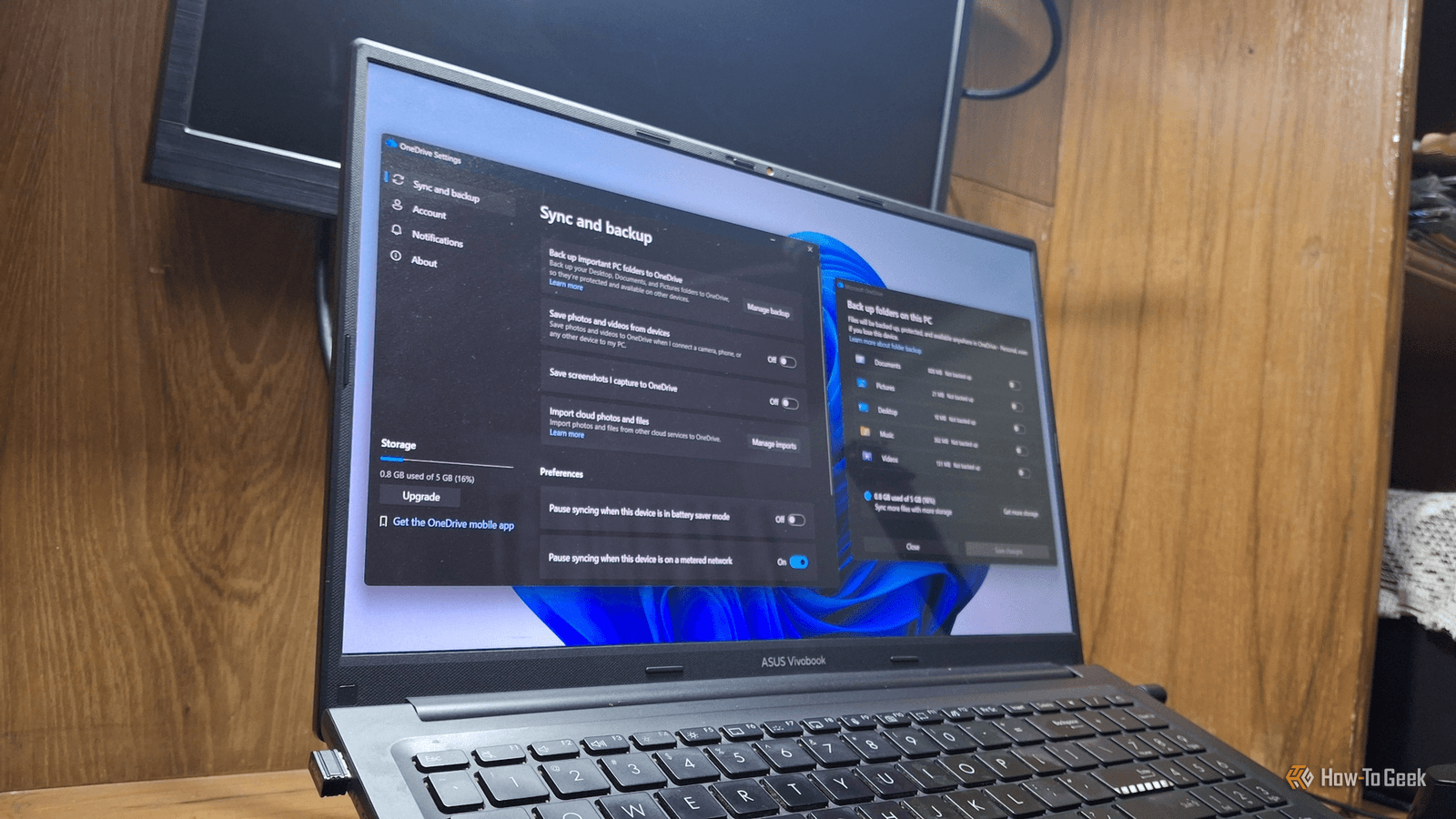
The company maintains that its quality standards and patch testing have not been loosened. Still, Windows Latest raised questions about whether faster, AI-assisted development could be introducing issues for everyday users, pointing to consumer-facing problems such as a broken File History backup tool and a USB audio bug that has not been fully resolved.
Enterprises Are Slow to Patch
Microsoft's urgency is partly driven by how slowly many organizations apply updates. The company's own data found that fewer than half of the enterprise devices in its sample had installed a security update two weeks after its release.
Chapman warned that waiting a couple of weeks to deploy critical updates gives AI-equipped attackers plenty of time to locate and exploit known gaps. That gap between disclosure and deployment is precisely where Microsoft sees the greatest exposure.
What This Means for IT Teams and Users
For businesses, the message is a shift in patching strategy. Long testing windows before rolling out updates were once standard practice, but Microsoft now considers delays beyond three days risky in an environment where exploits can follow disclosures within hours.
The tradeoff is real: updates occasionally break features, and IT teams will need faster validation processes to keep pace. Yet with AI accelerating discovery on both sides, organizations that treat patching as a routine, rapid operation are likely to be better positioned than those that hold updates back.
Source: Windows Latest