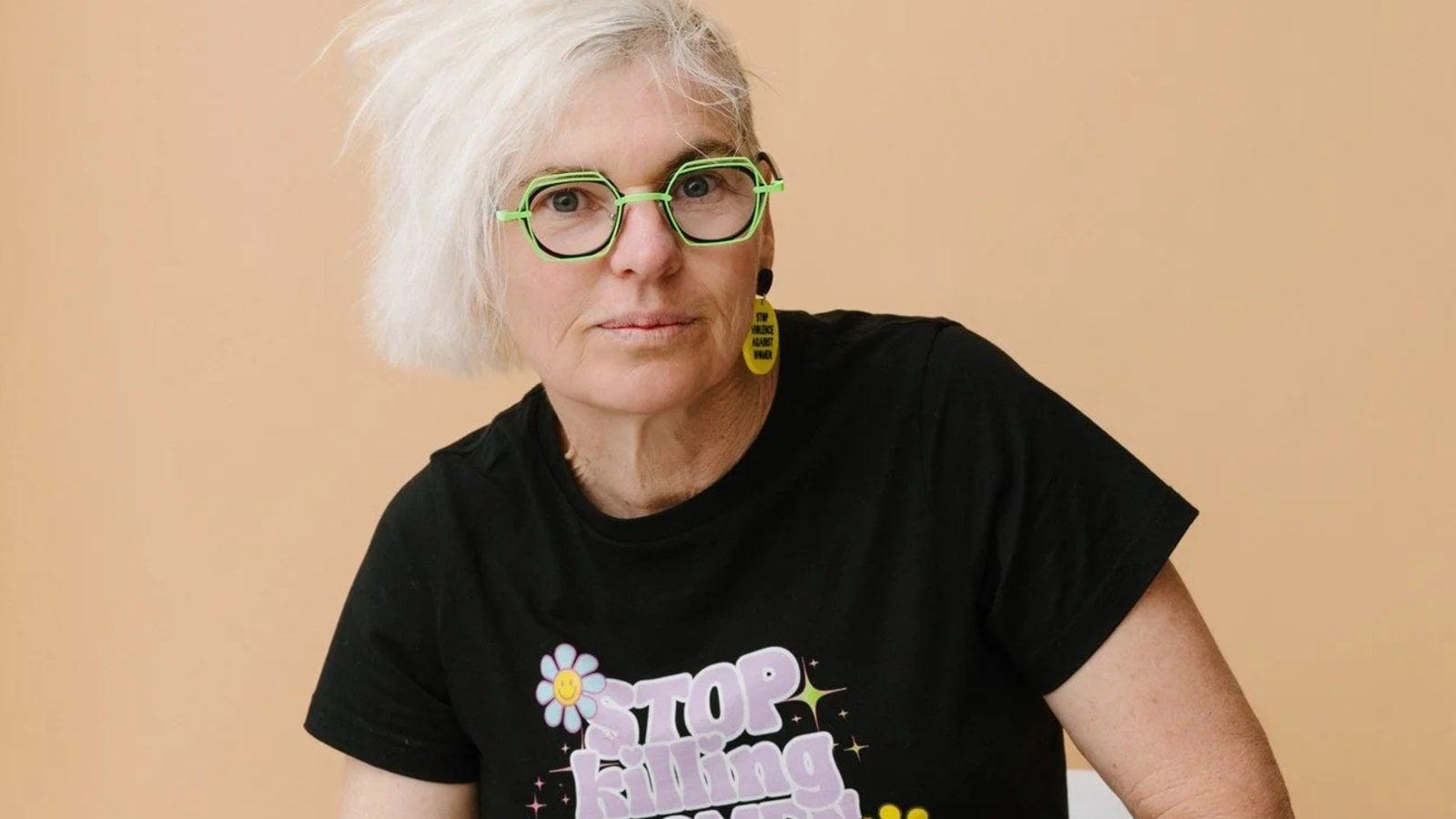
Meta has restored the Instagram account of Australian femicide researcher Sherele Moody, days after disabling it for an unspecified breach of its community standards. The reversal followed public pressure from Moody, a state politician and advocacy groups who argued the platform was silencing reporting on violence against women and children.
The episode, reported by Mediaweek, adds to a long-running debate over how automated moderation systems treat advocacy content that deals with difficult subjects, and what happens to people whose work depends on a single platform.
An Account Disabled Without a Clear Explanation
Moody said Instagram disabled her Australian Femicide Watch account on a Sunday, telling her it had violated community standards. According to Moody, the company did not specify which post or material had broken its rules.
Australian Femicide Watch documents women killed across Australia. Earlier in the same week, the project reported that 61 women had been killed in the country so far this year.
Moody, who says she has worked to end violence for more than 11 years, lodged an appeal. Speaking later in the week, she asked: "Why is talking about women's safety so offensive?"
Why Instagram Mattered to Her Work
According to Change.org Australia, the account had around 150,000 followers before it was taken down. Moody described Instagram as her main advocacy channel and said it also drove much of the t-shirt revenue that helps fund her work.
She also pointed to what she saw as an inconsistency in enforcement. Moody said she regularly receives death threats and other abuse, which she said Meta had told her did not breach its standards.
Following the suspension, Moody announced she would step back from social media for a period, describing the loss as a major setback. She directed supporters to the project's website and her accounts on Facebook, X, TikTok and LinkedIn.
Political and Advocacy Pressure Builds
The removal drew criticism from MP Shannon Fentiman, who publicly questioned how documenting the lives of murdered women and children could be considered a rules violation. She described Moody as a long-standing advocate whose work deserved recognition rather than censorship.
Change.org Australia also used the moment to highlight Moody's petition calling for a royal commission into the killing of Australian women and girls. The organisation said the petition had gathered more than 176,000 signatures.
Before the account was restored, Meta told PEDESTRIAN.TV that it was aware of the situation and had escalated the case internally for further review.
Meta Calls the Removal an Error
In a statement, a Meta spokesperson said the company has policies designed to protect people, especially children, from harmful material such as violent threats and graphic content. The spokesperson added that those policies permit such content when it is shared to raise awareness of or condemn violence.
Meta acknowledged that enforcing its rules across a platform of Instagram's size means its systems sometimes get decisions wrong, which is why users can appeal. The company said it recognised the importance of Moody's work and had corrected the mistake by reinstating the account.
The Wider Challenge of Moderation at Scale
Platforms like Instagram rely heavily on automated tools to review enormous volumes of posts, and those tools can struggle to distinguish between content that promotes harm and content that documents or condemns it. Advocacy, journalism and research accounts covering violence are often caught in that grey area.
Moody's case illustrates how quickly a takedown can disrupt both a public-interest project and the income that sustains it, and how reversals frequently follow public attention rather than the standard appeals process alone.
What This Means for Creators and Advocates
For founders, nonprofits and independent creators, the incident is a reminder of the risk of relying on one platform for audience reach and revenue. Diversifying channels, including owned assets such as websites and email lists, can soften the impact of a sudden suspension.
For Meta, the case adds to scrutiny of how consistently it applies its rules, particularly when users report that abusive messages remain untouched while awareness content is removed. Clearer explanations at the point of enforcement could reduce both errors and backlash.
Source: Mediaweek