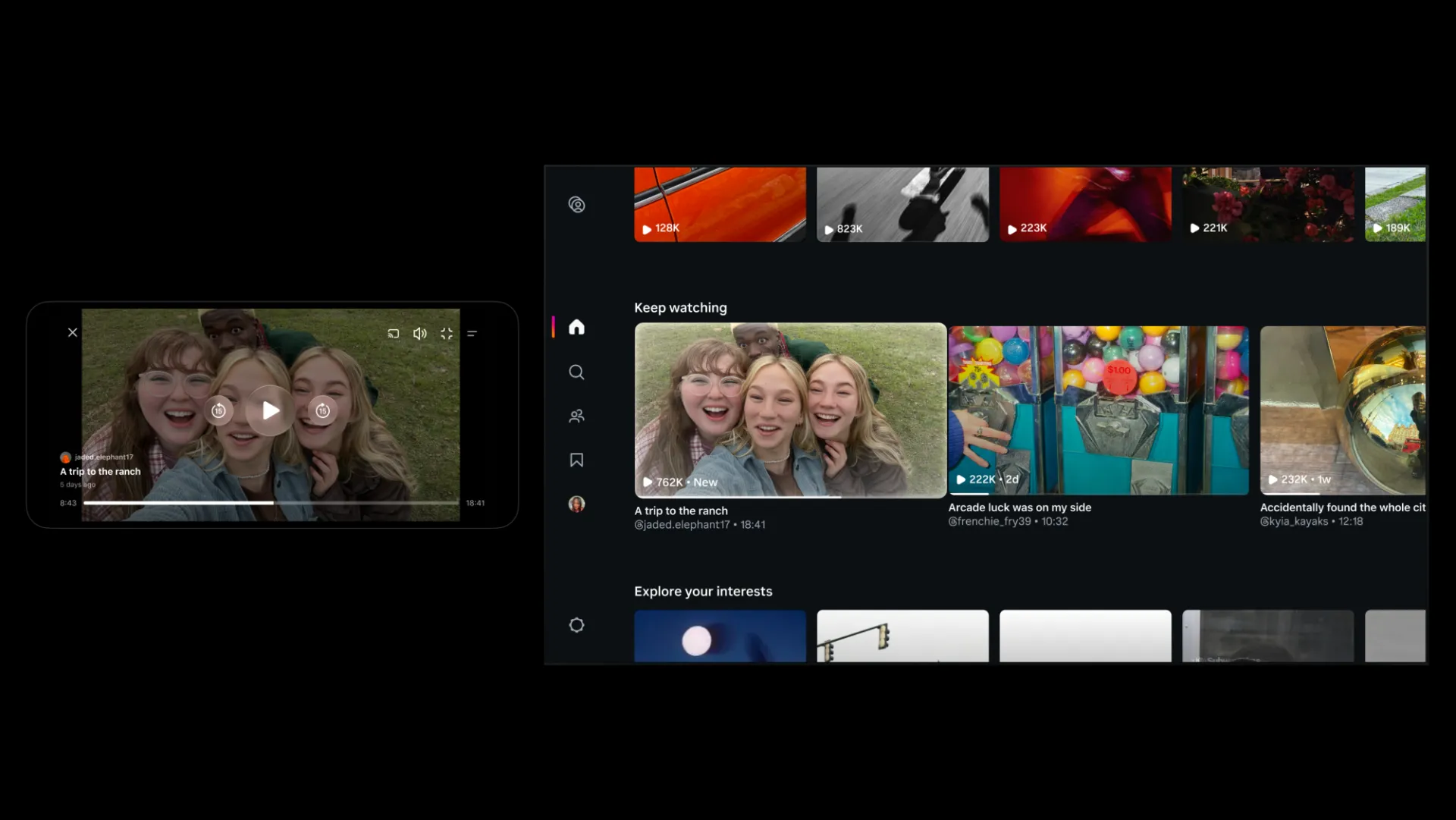
Instagram is making a more serious bid for long-form viewing. The Meta-owned platform has introduced Features, a format that lets creators upload horizontal videos running as long as 90 minutes, and is now extending it to a select group of creators in the United States after an initial trial in Brazil.
The move positions Instagram more squarely against YouTube for podcasts, interviews and other extended content. Yet creators interviewed by Livemint say enthusiasm for the format will hinge on practical questions: how they will get paid, what it will cost to produce, and whether brands and audiences will follow them beyond Reels.
What Instagram Is Launching
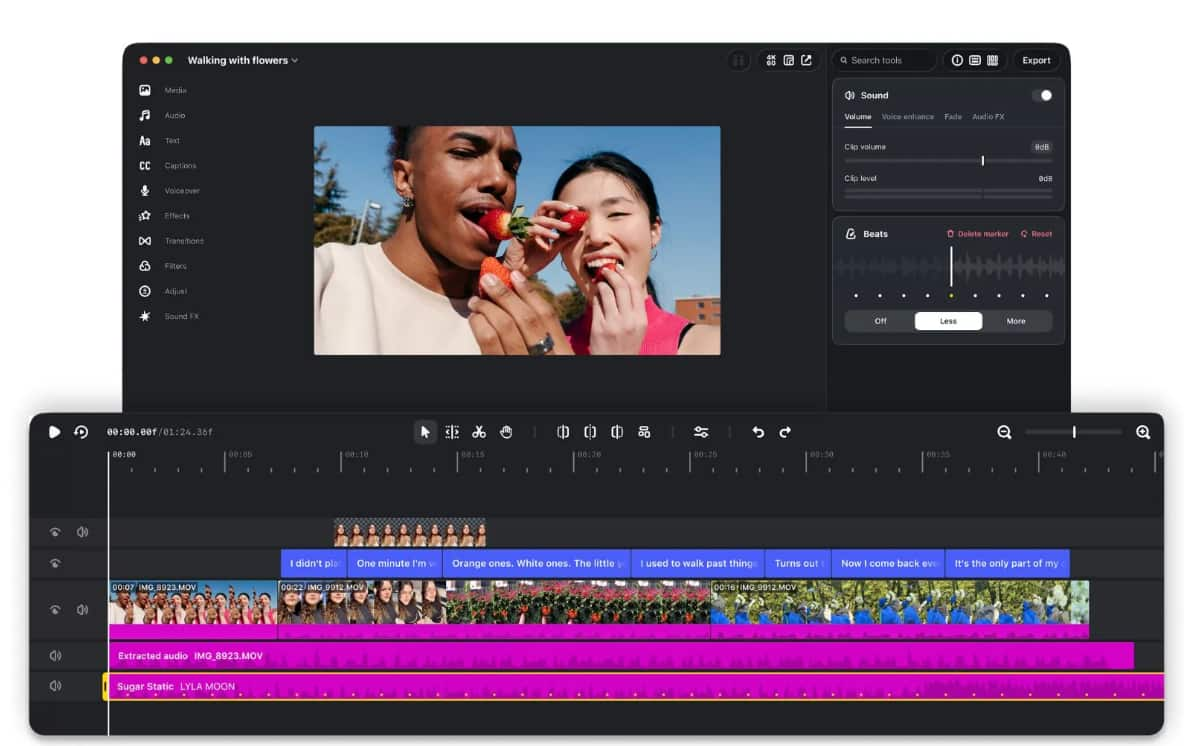
Instagram head Adam Mosseri and vice-president of product Tessa Lyons outlined Features in a video posted on the platform on 26 October. Alongside it comes Clips as Reels, a companion tool that lets creators attach up to eight short clips to a single full-length video.
Lyons framed the launch around depth, saying audiences who want to engage more closely with creators they follow should be able to do that without leaving Instagram.
The format targets a familiar pattern in which viewers discover a creator through short Reels, then head to YouTube for the longer material. Capturing that second step could also help Instagram compete for viewers watching on connected TVs.
The Monetization Gap With YouTube
The biggest open question is income. Instagram's creator earnings still depend heavily on brand partnerships, and the company has not yet announced any per-view payment model for Features.
Rohit Dalmia, chairman and managing director of film-rights investment platform CineNow, pointed to YouTube as the benchmark. Eligible YouTube creators receive 55% of the net ad revenue the platform earns from ads placed around their videos.
Content creator Jaspal Singh Sindhal said Meta needs to offer a clear and dependable earnings path if it wants creators to commit. He estimated that a million views on a long YouTube video can bring in roughly Rs 1 lakh, while 70 to 80 million monthly Shorts views might yield Rs 50,000 to 60,000, noting these figures are not guaranteed.
Longer Videos Mean Bigger Budgets
Creators accustomed to Reels face a steep jump in costs. Comedy creator Aanya Roy estimates a professionally shot Reel costs Rs 6,000 to 10,000, plus Rs 4,000 to 5,000 for editing and Rs 6,000 to 8,000 for studio rental. Finance creator Kushal Lodha, who makes 90 to 120-minute podcasts for YouTube, said freelance editors charge around Rs 1,000 per minute for long-form work.
Amit Dhawan, co-founder of influencer marketing firm Crack'd, said a 10 to 30-minute video can cost anywhere from Rs 50,000 to several lakhs. He added that long-form work pushes creators toward small teams, potentially adding Rs 1 to 2 lakh a month for a mid-tier creator, along with a one-time equipment upgrade.
Research-heavy formats are costlier still. Science creator Gaurav Thakur said a single documentary can require 12 to 15 people working over seven to nine days, with costs running into lakhs, and demands different skills from short vertical videos.
AI as a Cost-Cutting Tool and a Competitor
Some see artificial intelligence as a way to ease the burden. Rohan Lobo of Deloitte South Asia said AI-assisted scripting, editing and localization could reduce effort, advising smaller creators to start with existing gear and spend more only once longer content generates additional revenue.
Rajan Navani, chairman of JetSynthesys, which built the JetKreate video-generation platform, noted that current AI models still produce short clips that must be stitched together, with continuity and consistent characters remaining areas to improve.
AI also cuts the other way. RENÉE Cosmetics co-founder Priyank Shah said the brand's AI-generated ads delivered 30.16% higher engagement and a 70 to 80% reduction in production time, raising pressure on influencers to prove their value.
Brand Budgets Still Favour Short-Form
Beauty and lifestyle creator Sanjogta Chawla said about 80% of her brand briefs over the past year were for short videos, which account for roughly 70% of her income. She would shift 10 to 15% more of her planning toward long-form if Instagram offers reliable reach and measurable results.
At RENÉE Cosmetics, 90% of the digital video budget goes to short-form content, with Shah describing the two formats as complementary: short clips grab attention while longer ones allow detailed product demonstrations.
What It Means for Creators and the Platform Race
Instagram already permits Reels of up to 20 minutes, but videos over three minutes are not recommended to new audiences, making Features its latest attempt to carve out space for long viewing.
For creators, the calculation is straightforward even if the answer is not. Without a clear revenue model and demonstrated brand demand, the extra people, time and money that long-form requires may be hard to justify, leaving YouTube's position largely intact for now.
Source: Livemint