Nearly ten years after it shelved Google Glass, Google is taking another run at smart eyewear. This time the company is leaving the hardware to partners and putting privacy protections at the center of its pitch.
The new glasses, announced Thursday, pair a built-in camera and microphone with Google's Gemini AI assistant. Google is also laying out a set of technical and contractual measures meant to stop the devices from being used to secretly record people.
The launch puts Google in direct competition with Meta, whose own smart glasses have drawn criticism over privacy, according to a report by The Register.
A Partner-Led Approach to Hardware
Rather than building the glasses itself, Google is working with Samsung and eyewear brands Warby Parker and Gentle Monster. Together, the partners are offering nine frame styles at launch.
Like most current smart glasses, none of the models include a heads-up display. Instead, they rely on a camera and audio output, with Gemini speaking responses directly to the wearer.
What the Glasses Can Do
Wearers can ask Gemini questions about whatever they are looking at, or have the assistant read out turn-by-turn navigation directions. The idea is a hands-free AI companion that understands the wearer's surroundings.
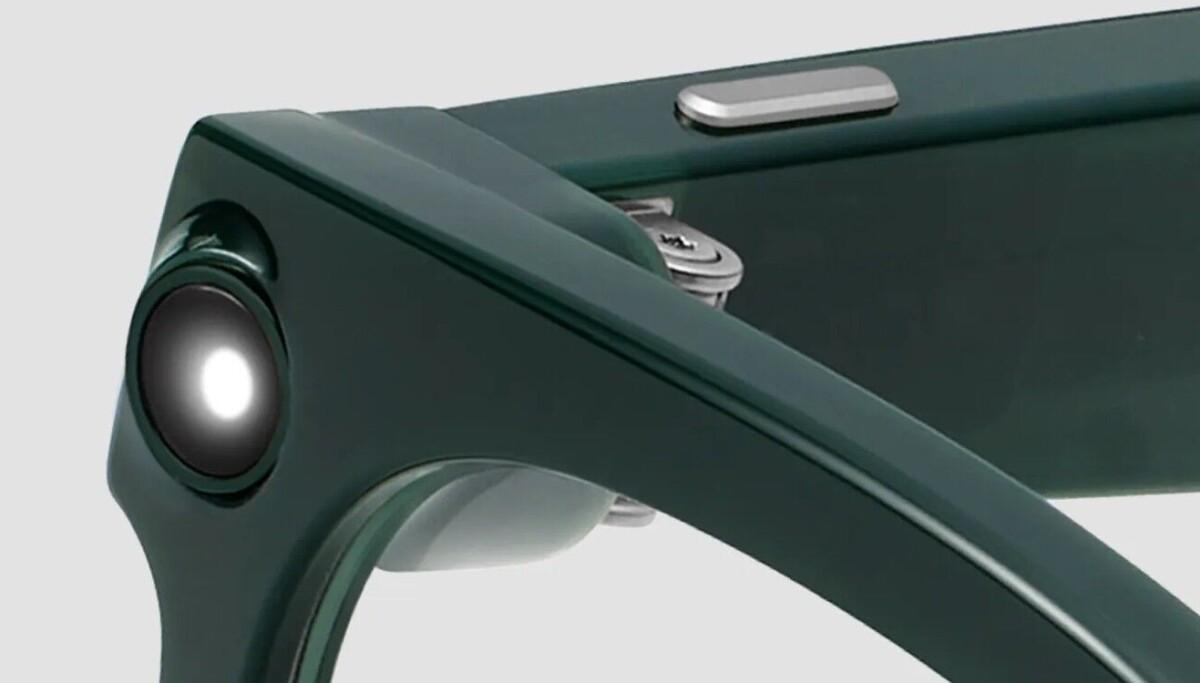
A 12-megapixel camera captures photos and video, triggered either by pressing a button or by voice command.
Pricing, Styles and Availability
Warby Parker is offering three styles starting at $395, while Gentle Monster has six frames starting at $449. Both lines support prescription lenses as well as sunglass lenses.
Each manufacturer is promising nine hours of battery life, with charging cases able to recharge the glasses up to seven times. Preorders are open now, and shipments and retail sales begin on December 10.
A Recording Light Designed to Resist Tampering
Google is clearly mindful of the backlash that followed Glass, when the term "glassholes" became shorthand for intrusive wearers. Meta's glasses have faced similar criticism more recently.
As with rival products, an indicator light turns on whenever the camera is active. Google says its light is tamper-resistant and will halt recording if it is obscured, even by something as small as a strand of hair.
A Google spokesperson told The Register that a mix of hardware and software detects attempts to disable or interfere with privacy features. "We're committed to continuously improving the effectiveness of these solutions as new attack vectors are identified," the company said.
How Google Handles Images, Audio and Faces
According to Google, photos and video captured by the glasses are not stored in a user's Gemini history and are not used to train its AI models or to target ads. Audio recordings and transcripts of conversations with Gemini are saved, though Google says these are also excluded from model training. The company did not respond to a question about whether that data is used for advertising.
When a wearer asks Gemini to interpret what the camera sees, the faces of strangers are blurred before the image is sent. That redaction does not apply to photos or videos saved to the wearer's own camera roll.
Rules for Users and Developers
Google's terms of use bar wearers from recording people without consent or in sensitive locations, and the company reserves the right to disable devices of users who break those rules.
The Play Store will also block apps that use the glasses for live streaming or real-time facial recognition. Because recordings can still be stored, however, facial recognition performed after the fact appears to remain possible.
What the Launch Signals for the Wearables Market
Google's return shows that big tech sees AI-powered glasses as a serious product category, and that partnering with established eyewear brands is becoming the preferred route to mainstream style and distribution.
It also highlights that privacy is now a core competitive issue for wearables. How well Google's safeguards hold up in practice, and whether gaps like stored recordings are exploited, will likely shape public acceptance of the category as much as the AI features themselves.
Source: The Register