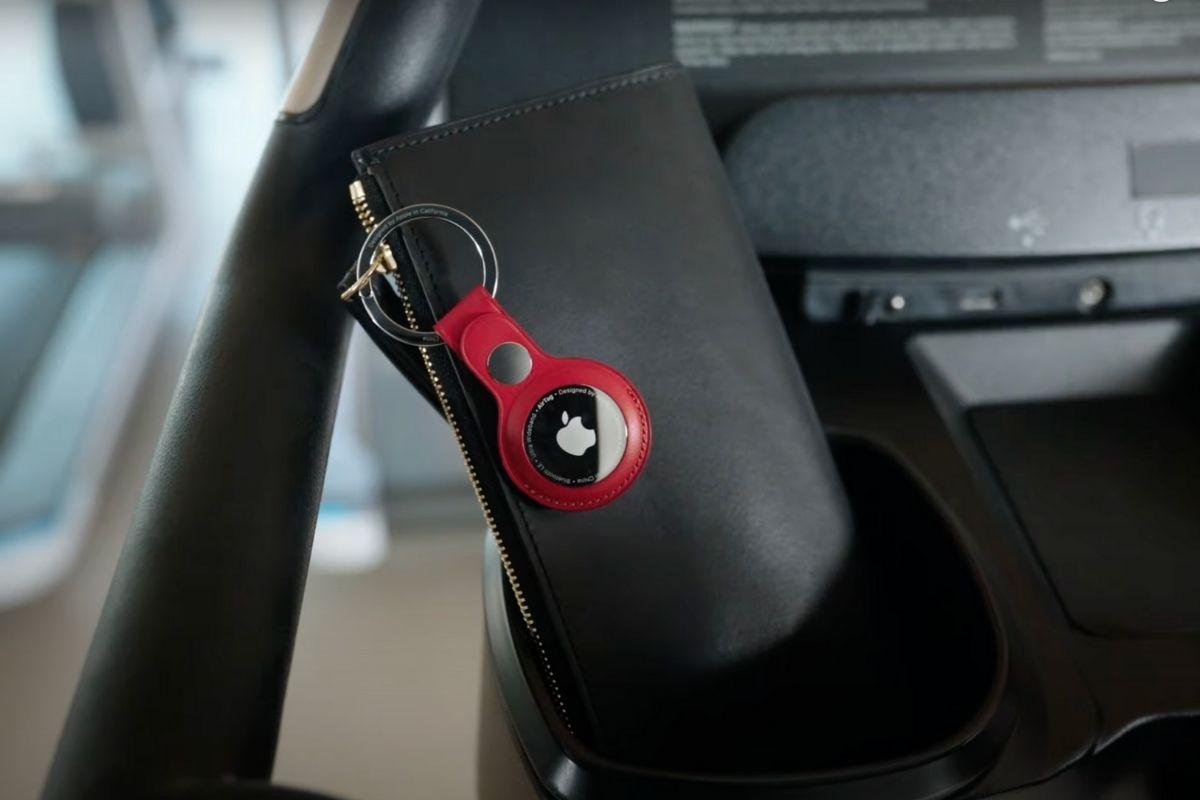
An Apple AirTag tucked inside a stone has helped a small community in northwest England recover historic building material that thieves had been taking piece by piece from a centuries-old wall.
The tracker pointed police toward a large haul of stolen coping stones valued at around £7,000, according to a report by The Apple Post, which cited local coverage from the Lancashire Evening Post.
Repeated Thefts From an 18th-Century Estate Wall
The wall in question sits near the village of Rufford in Lancashire and is linked to the Rufford New Hall estate, which dates to the 18th century.
It had been targeted several times, with thieves removing coping stones, the capping pieces that run along the top of a wall and protect it from weather. Each theft left the historic structure further damaged.
A Low-Cost Alternative to Cameras
Locals had looked at installing surveillance cameras to deter the thefts, but the cost of doing so proved too high.
Parish councillor Matt Smith instead arranged for an AirTag to be concealed inside one of the loose stones, with permission from the wall's owner. The idea was simple: if the stone was taken, the tracker would reveal where it ended up.
How the Tracker Led Police to the Stones
When the wall was hit again, Smith was notified and shared the tracker's location data with police.
Officers then found a significant quantity of stolen coping stones and recovered material connected to the historic wall. Residents later helped bring the stones back to the site.
Guilty Plea and Suspended Sentence
A man from Wigan subsequently pleaded guilty to offences involving theft and handling stolen goods.
According to the local report, he was handed a suspended prison sentence.
What AirTag Is and Is Not Built For
Apple designed AirTag to help people find their own belongings through the Find My network, which relies on nearby Apple devices to relay a tracker's approximate position. It is not marketed as a security or anti-theft system.
Location readings can be imprecise, and Apple includes unwanted-tracking alerts that can warn people when an unfamiliar tracker is moving with them. Those protections mean a thief could, in some cases, be alerted to a hidden device.
Why the Case Matters Beyond Rufford
The episode shows how an inexpensive consumer gadget can fill a gap when dedicated surveillance is out of reach, particularly for small communities protecting heritage sites on tight budgets.
It also underlines that the tracker alone did not solve the case. Its value came from pairing location data with prompt police follow-up, a reminder that consumer tech works best as one part of a broader response rather than a replacement for it.
Source: The Apple Post