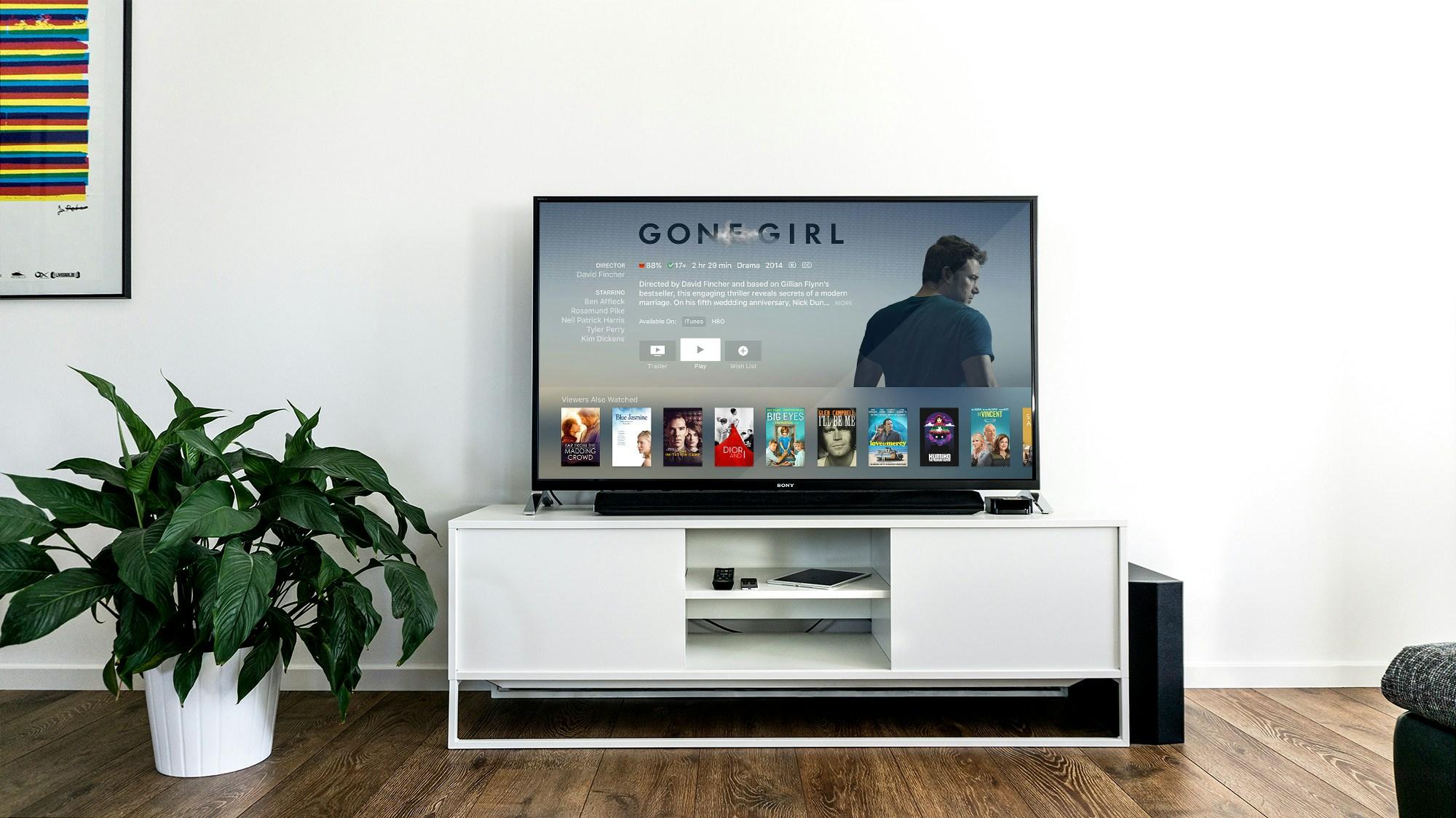
DIRECTV has brought its Build Your Own Multiview feature to Apple TV, giving streaming subscribers on Apple's set-top box the ability to arrange several live sports channels on one screen in a layout they choose themselves.
The feature became available on November 12, 2026, according to a report by Tech Times. It first appeared on DIRECTV's Gemini and Roku platforms on October 13, so Apple TV users have waited about a month to catch up.
Subscribers on Signature or Genre Packs can use it at no additional charge, and no new hardware purchase is required for those who already own a supported Apple TV.
How the Custom Multiview Works
Build Your Own Multiview lets viewers pick which sports channels appear on screen at the same time. That differs from the curated multiview DIRECTV introduced in August 2026, which offered preset combinations chosen by the company rather than by the viewer.
Three layouts are available. A two-channel view splits the screen evenly, a three-channel view places one main feed on the left with two smaller feeds stacked on the right, and a four-channel view creates a quad grid.
Only one channel plays audio at a time, though viewers can switch the audio between active feeds.
The 14 Eligible Sports Networks
The channel list is limited to sports. It includes ESPN, ESPN2, ESPNU, FS1, NFL Network, NBA TV, MLB Network, NHL Network, CBS Sports Network, Golf Channel, Tennis Channel, ACC Network, Big Ten Network and SEC Network.
DIRECTV has not said whether or how much subscribers on other plans might pay for access. On Apple TV, the feature requires a fourth-generation model or later, with the Apple TV 4K recommended.
Vikash Sharma, DIRECTV's head of product, described the feature as "offering even more choice and control over how they follow the games that matter most to them."
Why Apple TV Arrived Before Smart TVs
Tech Times reports that the feature relies on client-side adaptive bitrate streaming. Instead of DIRECTV merging feeds into a single stream on its servers, the app on the device pulls in up to four separate streams, keeps them in sync and assembles the split screen locally.
That approach lets DIRECTV reuse its existing single-channel streaming infrastructure rather than building server-side processing for every possible channel combination. The cost is that the viewing device must decode multiple HD streams at once.
The current Apple TV 4K, released in 2022 and powered by Apple's A15 Bionic chip, has the hardware to handle that load. Older smart TV platforms and lower-end Android TV devices need more optimization, which the report says explains the rollout order.
Licensing Keeps the Grid Sports-Only
The restriction to sports networks is not a technical one, according to the report. Each network must separately authorize its content to be shown alongside other channels in a multiview layout, and not every content partner has granted that permission.
Sports networks have a clear reason to agree, since viewers juggling several games are less likely to leave during breaks. News, entertainment and movie channels operate under different rights arrangements, so pairing a game with a news channel is not currently possible on DIRECTV.
How DIRECTV Stacks Up Against Rivals
YouTube TV remains the main point of comparison. CEO Neal Mohan announced the full rollout of its customizable multiview on April 28, 2026, and it lets subscribers combine any channels in their lineup, including news and entertainment, across devices such as Roku, Fire TV and Apple TV.
Fubo offers multiview on Apple TV, some Roku devices and certain LG smart TVs, but its version is largely curated and supported on fewer devices. DIRECTV's advantage lies in its sports-focused channel lineup and its long association with premium sports viewing.
What Comes Next for Streaming Sports Fans
DIRECTV says Android TV, Amazon Fire TV, Vizio, LG and Samsung Tizen TVs are next on its roadmap, roughly in that order, though no dates have been announced.
For the broader streaming market, the rollout shows that multiview has become a real point of competition among live TV services. It also highlights how content licensing, as much as engineering, shapes what features viewers actually get on their screens.
Source: Tech Times