Colombia is quickly becoming one of Latin America's most notable electric vehicle stories. At the international motor show held in Bogota from November 12 to 22, battery electric vehicles accounted for 55 of the 90 new models put on display, roughly 61 percent of all debuts.
Chinese manufacturers were the driving force behind that shift. Most of the 32 brands that presented new electric and plug-in hybrid models came from China, and many arrived with price tags that put them in direct competition with conventional gasoline cars.
The trend is putting long-established European and Japanese automakers on the defensive in a market where they have traditionally held strong positions.
A Motor Show Defined by Electric Debuts
The figures from the Bogota event were first reported by CleanTechnica and later covered by Korean outlet Digital Today. Together they point to a clear message: electric models are no longer a side attraction at Colombian auto shows but the main event.
With more than six in ten new launches being fully battery powered, the exhibition served as a showcase for how quickly the product mix in the country is changing. Plug-in hybrids also featured among the new models, adding to the electrified lineup.
Registrations Have More Than Tripled
Sales data supports what was on the show floor. According to the National Federation of Merchants (FENALCO) and the National Business Association (ANDI), 44,387 electric vehicles were newly registered in Colombia between January and October, a 207 percent increase over the same period a year earlier.
That volume represents about 15.9 percent of the 279,387 new vehicles registered in the country over those ten months. In 2023, EVs held less than 3 percent of the market, making the current share a dramatic jump in a short span of time.
Chinese Brands Compete Hard on Price
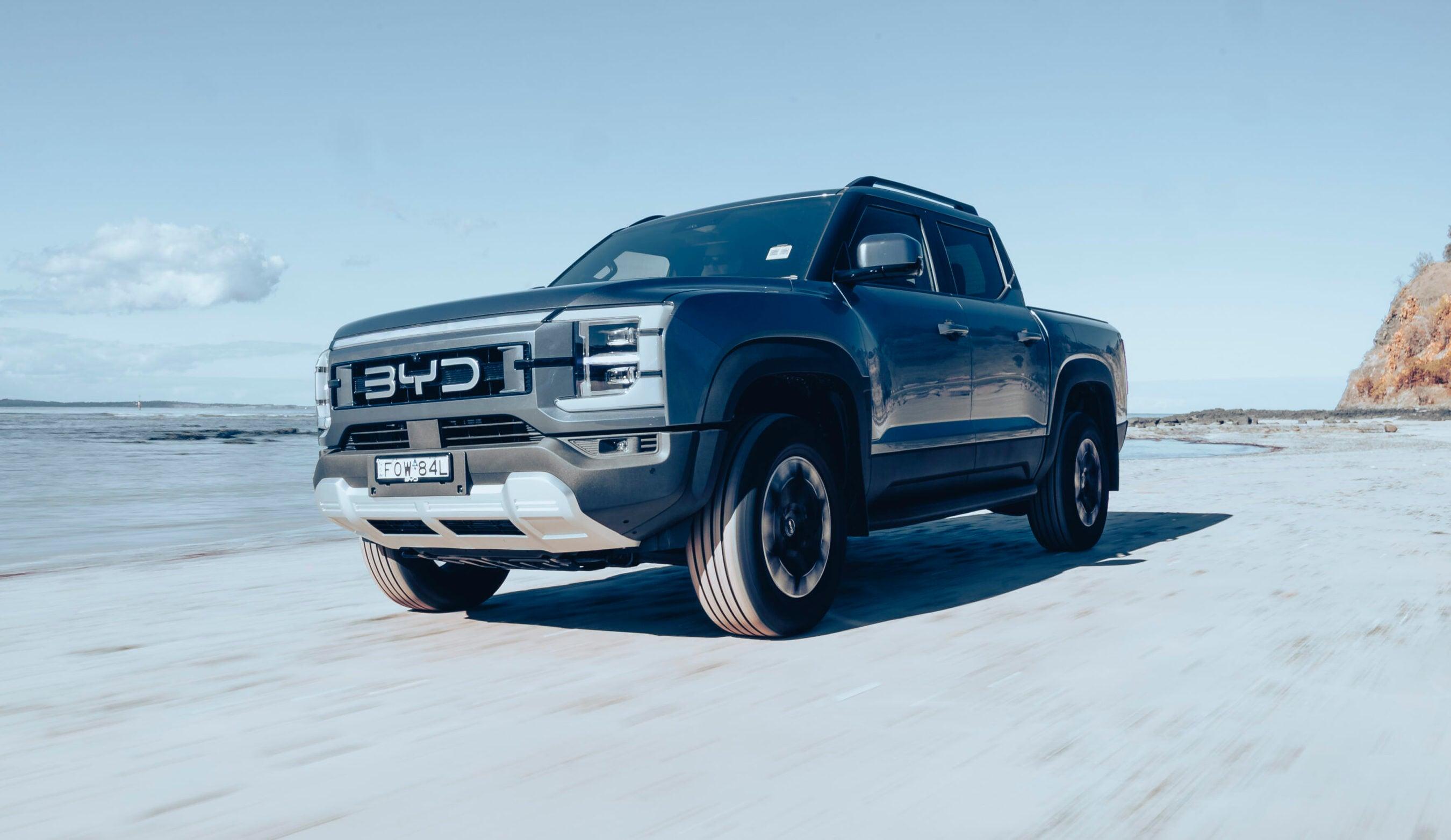
Affordability is the main lever Chinese automakers are pulling. Chery launched the rear-wheel-drive version of its iCaur V23 electric SUV at 85 million Colombian pesos, while BYD priced its rear-wheel-drive Sealion, positioned as a rival to the Tesla Model Y, at 115 million pesos.
The entry-level electric SUV segment is especially crowded. The Ora 5, fitted with a 58 kWh battery, was shown at 73 million pesos. The JMEV GSX, which carries a 70 kWh battery and a 500 km range under the WLTP testing standard, was set at 90 million pesos.
Pricing at these levels allows Chinese EVs to be weighed against combustion-engine cars rather than only against other electric options, a key factor in their rapid uptake.
European and Japanese Models Sit Higher on the Price Ladder
Established brands from Europe and Japan generally came in at higher price points. Renault revived the Renault 4, a car long associated with Colombia's middle class, as an electric model priced at 99.99 million pesos, with an initial run limited to 50 units.
At the premium end, the BMW iX3 was listed at 300 million pesos and the Toyota bZ4X at 220 million pesos. Those figures place them well above most of the Chinese competition on display.
Kia Moves to Hold Its Ground
South Korea's Kia is attempting to counter the Chinese push with competitively priced models of its own. The company is offering the EV2 starting at 90 million pesos and the EV3 from 120 million pesos.
Those prices place Kia's smaller EVs in the same general range as several Chinese rivals, suggesting that legacy automakers recognize they must narrow the price gap to stay relevant in the segment.
What Colombia's Shift Signals for the Industry
As electric vehicles begin to match combustion cars on both price and capability, competition among global manufacturers for leadership in Colombia is expected to intensify further.
For the wider industry, Colombia offers a case study in how quickly an emerging market can pivot when affordable EVs become widely available. Chinese automakers appear to be using such markets to build scale, while established brands face pressure to rethink pricing and product strategy if they want to keep their share.
Source: 디지털투데이