- By JeffkomStory Team
- Published on
Why Most Consumer AI Startups Still Struggle to Scale- And What Comes Next
Even three years after the generative AI boom began, one reality remains clear: most AI startups are still making their money from businesses, not everyday consumers.
While millions of users quickly adopted general-purpose tools like ChatGPT, most specialized consumer AI apps have failed to build long-term staying power. Venture capitalists now believe the reason is simple — the AI consumer market is still too early.
The “Flashlight App” Problem in AI
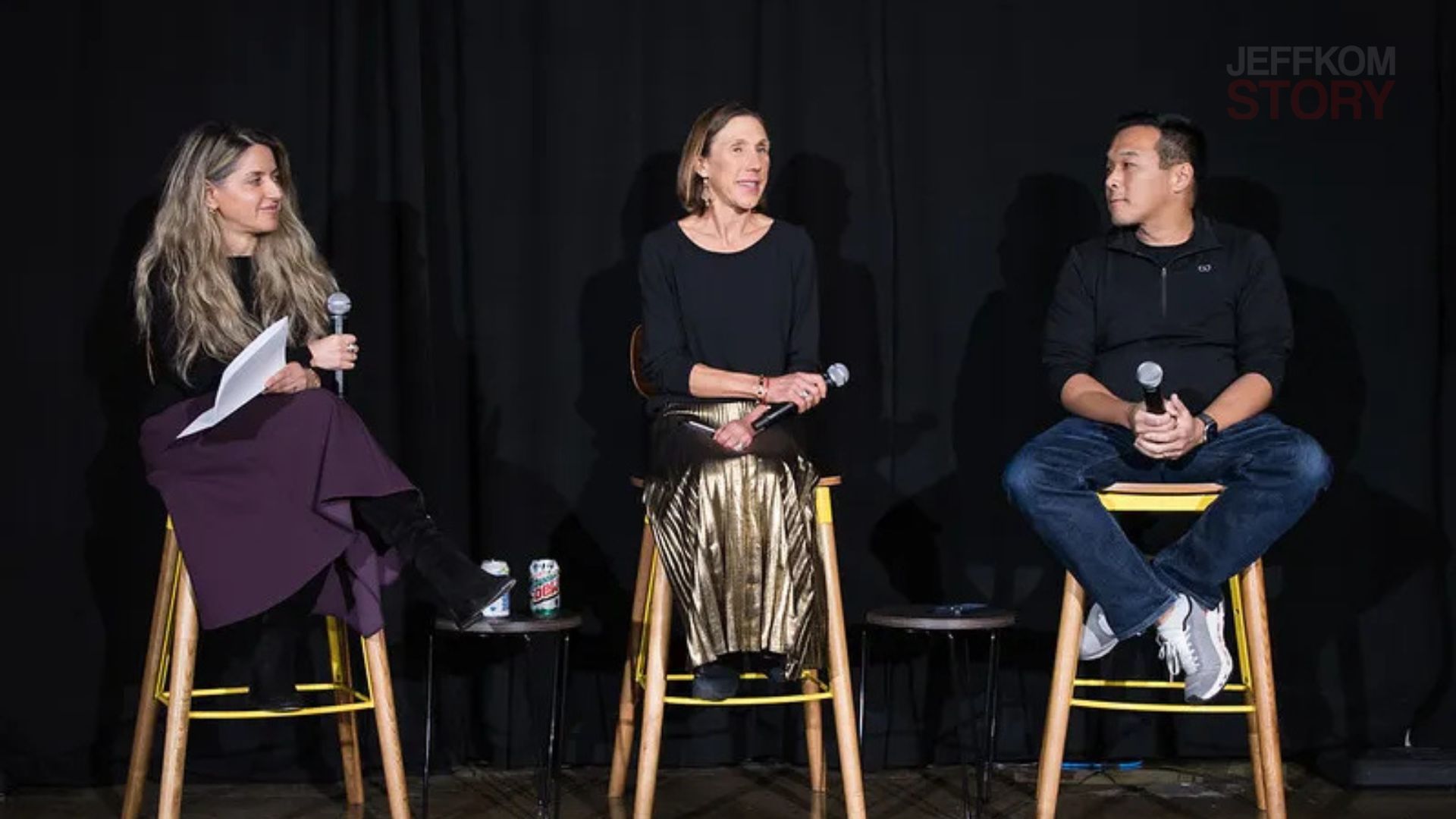
At TechCrunch’s StrictlyVC event, Chi-Hua Chien, co-founder and managing partner at Goodwater Capital, compared early consumer AI apps to flashlight apps during the early iPhone era.
They were exciting.
They were useful.
But they didn’t last.
As soon as Apple built a flashlight into iOS, those apps became irrelevant. Chien believes many AI apps face the same risk today.
Early AI tools for video, audio, and images looked promising. But once powerful models like Sora emerged and open-source alternatives spread globally, many of those opportunities disappeared overnight.
In short, platforms moved faster than startups.
AI Platforms Haven’t Stabilized Yet
According to Chien, we’re still waiting for AI platforms to reach the level of stability mobile platforms achieved around 2009–2010 — the era when companies like Uber and Airbnb were born.
Right now, AI is still evolving at breakneck speed. Models are improving. Costs are dropping. New competitors are emerging.
This makes it hard for consumer startups to build durable products without being quickly replaced by platform-level features.
However, signs of stabilization may be emerging. Google’s Gemini reaching parity with ChatGPT suggests the ecosystem may finally be settling.
Consumer AI Is in Its “Awkward Teenage Phase”
Elizabeth Weil, founder and partner at Scribble Ventures, described today’s consumer AI landscape as an “awkward teenage middle ground.”
The technology is powerful.
The use cases are unclear.
The habits aren’t fully formed.
Consumers are curious, but not committed.
That’s why most AI revenue today still comes from enterprise software, where efficiency gains are immediate and measurable.
Will a New Device Unlock Consumer AI?
One major question remains: is the smartphone the wrong interface for consumer AI?
Chien argues that smartphones aren’t ambient enough. They only capture a small fraction of what users see, hear, or do limiting AI’s potential.
Weil agrees. She doesn’t believe we’ll still be building AI-first experiences primarily for smartphones five years from now.
This belief has sparked a race to build the next personal computing device:
-
OpenAI and Jony Ive are rumored to be working on a screenless AI device
-
Meta is betting on Ray-Ban smart glasses with gesture controls
-
Startups are experimenting with AI pins, pendants, rings, and wearables
So far, results have been mixed — often disappointing.
Not Every AI Breakthrough Needs New Hardware
Despite the device race, not all consumer AI success depends on new hardware.
Some promising ideas include:
-
A deeply personalized AI financial advisor
-
An always-on AI tutor tailored to each learner
-
AI assistants that adapt continuously to user behavior
These could still thrive on smartphones, if they offer enough long-term value.
Skepticism Around AI-Powered Social Networks
Both Weil and Chien expressed doubts about AI-first social networks, especially those filled with AI bots interacting with user content.
Chien summed it up bluntly:
“It turns social into a single-player game.”
Social media works because people know real humans are on the other side. Replacing that human connection with bots may undermine the very reason social platforms exist.
The Bottom Line
Consumer AI isn’t failing, it’s still growing up.
The technology arrived fast.
The platforms are still shifting.
The killer consumer use cases haven’t fully arrived yet.
Just like mobile before it, AI may need a few more years of stabilization before the next generation of breakout consumer startups emerges.
And when they do, they likely won’t look like the apps we see today.
Here are some related articles you may find interesting:
AI Inference Startup Modal Labs in Talks to Raise at $2.5B Valuation
Modal Labs, an AI inference infrastructure startup, is reportedly in discussions with venture capital...
Amazon May Launch AI Content Marketplace for Media Publishers
Amazon may soon launch a new content marketplace. This platform would allow media companies to sell their...
Waymo Begins Driverless Robotaxi Testing in Nashville Ahead of 2026 Launch
Waymo has officially removed human safety drivers from its autonomous test vehicles in Nashville, marking...
a16z Warns Founders: Don’t Chase Hype-Driven ARR, Build Durable Growth Instead
The AI startup boom has reignited a familiar Silicon Valley pattern: massive venture capital flowing...
Google’s Gemini App Crosses 750 Million Monthly Users as AI Adoption Accelerates
Google’s AI chatbot Gemini has reached a major milestone, surpassing 750 million monthly active users...
Y Combinator Allows Startups to Receive Seed Funding in Stablecoins
Y Combinator is taking a big leap towards incorporating blockchain into the way they fund startups. And...
Apple Acquires Israeli AI Startup Q.ai to Strengthen Audio and Hardware Intelligence
Apple is one step further along in the high-stakes AI game. Tech giants like Apple, Meta, and Google...
Where’s My State Tax Refund? How to Check Your Status and Avoid Delays
Waiting for a tax refund can be frustrating, especially when it’s unclear who’s responsible for issuing...
Trump Administration Loosens Nuclear Safety Rules, Accelerating Reactor Development
US nuclear energy is charging into a new era of rapid growth, but controversy is in tow. With nuclear...
Everything You Need to Know About Viral Personal AI Assistant Clawdbot (Now Moltbot)
The latest wave of AI innovation has produced an unexpected breakout star: a lobster-themed personal...
Popular Posts

AI Inference Startup Modal Labs in Talks to Raise at $2.5B Valuation
JeffkomStory Team
Modal Labs, an AI inference

Amazon May Launch AI Content Marketplace for Media Publishers
JeffkomStory Team
Amazon may soon launch a

Waymo Begins Driverless Robotaxi Testing in Nashville Ahead of 2026 Launch
JeffkomStory Team
Waymo has officially removed human

a16z Warns Founders: Don’t Chase Hype-Driven ARR, Build Durable Growth Instead
JeffkomStory Team
The AI startup boom has
Join Our Newsletter
Start your day with impactful startup stories and concise news! All delivered in a quick five-minute read in your inbox.