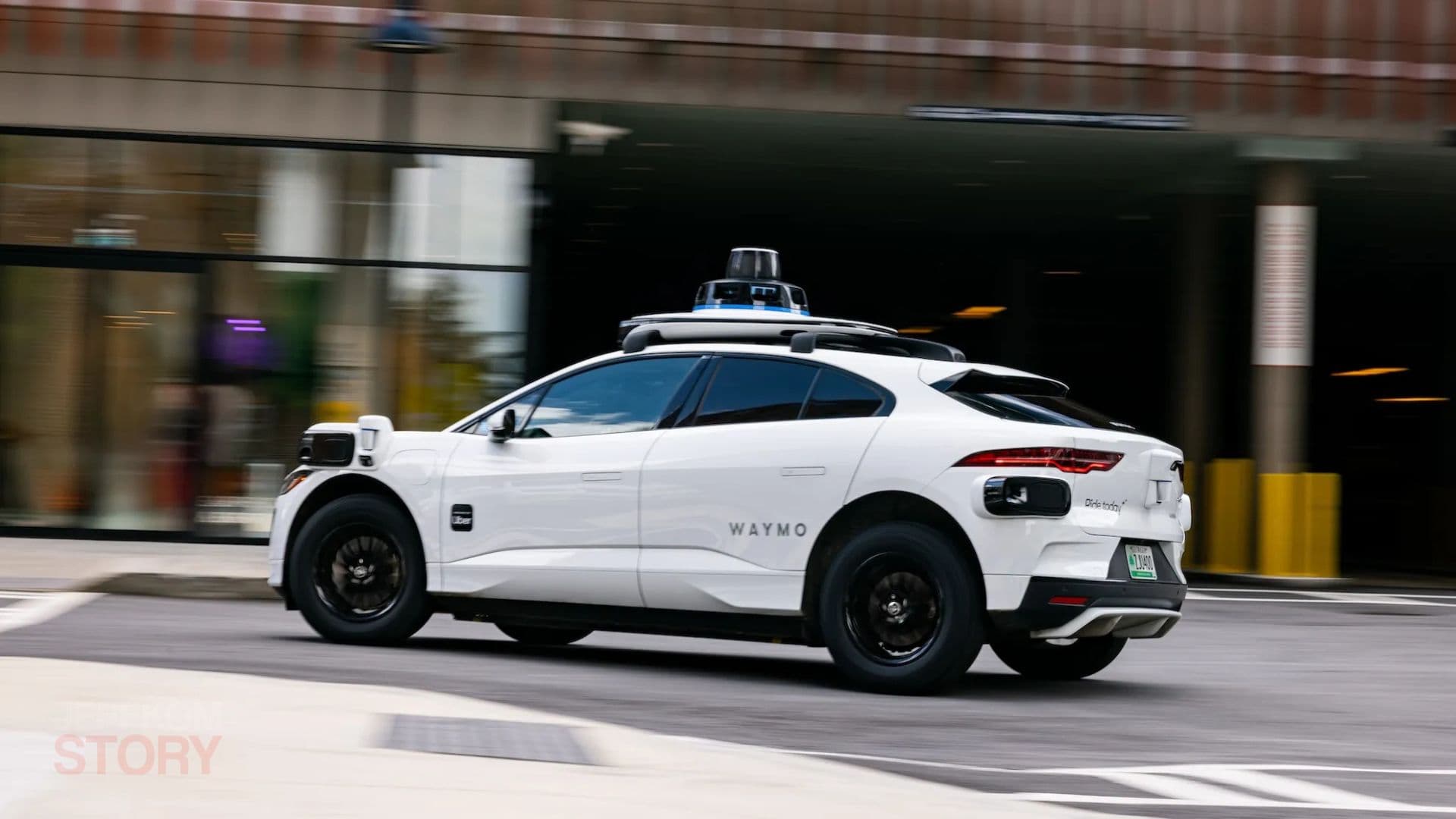
The world of autonomous mobility just hit another critical moment. Federal regulators are asking tough questions after reports that Waymo’s robotaxis in Austin repeatedly passed stopped school buses—19 times in just this school year. For a company aiming to lead the future of driverless transportation, this is a moment of truth.
The National Highway Traffic Safety Administration (NHTSA) has now requested detailed information about Waymo’s latest self-driving system, following earlier incidents in Atlanta and ongoing issues in Austin. Even after a recent software update, the Austin School District reported multiple new violations—prompting officials to demand that Waymo pause operations during school hours.
Waymo maintains that safety remains its top priority. The company highlights improved performance and significantly fewer injury-related crashes compared to human drivers. But regulators and local authorities aren’t fully convinced yet.
What Startups Should Take Away
1. Transparency matters. When problems surface, honest communication builds trust. Waymo has been responsive, but regulators want more clarity.
2. Software updates aren’t enough without measurable impact. Customers and communities expect visible, consistent improvements—not promises.
3. Safety is the ultimate product. In sectors like mobility, health, and AI, your solution must not just work—it must work flawlessly in critical scenarios.
4. Local communities are powerful stakeholders. Even global tech giants must respond to local concerns, proving that every startup must respect on-the-ground realities.
This unfolding situation isn’t just a challenge for Waymo—it’s a lesson for every startup aiming to innovate responsibly. Innovation must move fast, but safety must move faster.