OpenAI Agrees to DOJ Oversight Over PERM Hiring Process
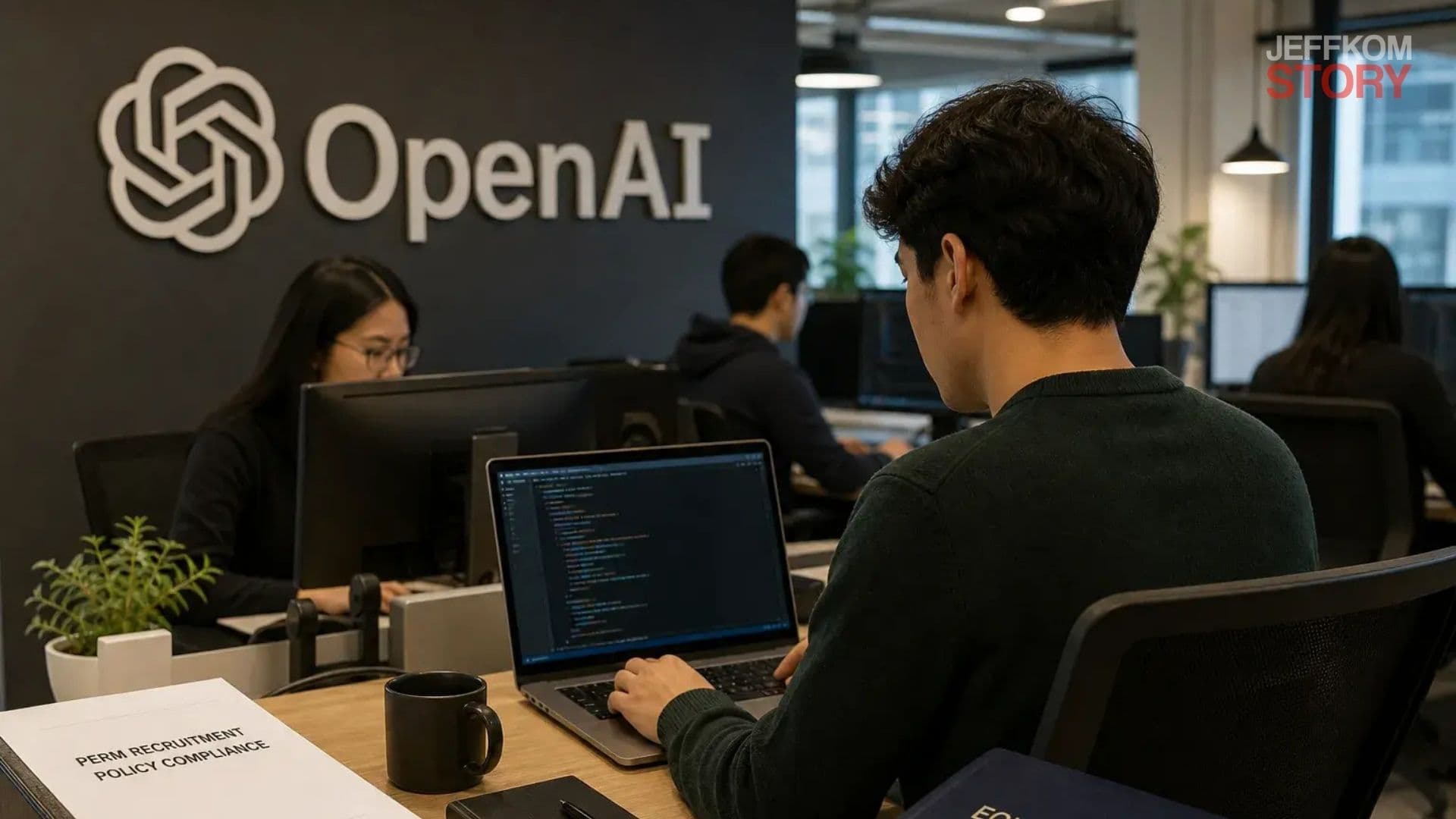
OpenAI and its former subsidiary, Statsig, have agreed to a settlement with the U.S. Department of Justice (DOJ) that will place their employment-based green card sponsorship practices under government oversight for the next three years.
The settlement follows allegations that both companies failed to properly consider qualified U.S. workers before sponsoring foreign employees for permanent residency through the PERM labor certification process.
Although neither company admitted to any wrongdoing, they agreed to pay a total of $3.2 million and comply with stricter hiring oversight.
Why the DOJ Investigated OpenAI and Statsig
According to the DOJ’s Civil Rights Division, OpenAI and Statsig allegedly violated provisions of the Immigration and Nationality Act (INA) while hiring employees through the PERM process.
The department claimed that the companies used hiring practices that made it difficult for qualified U.S. citizens to apply for certain positions. These practices reportedly included:
- Not posting jobs on public online job boards.
- Advertising openings on radio stations during late-night hours.
- Accepting only paper applications instead of online submissions.
The DOJ argued that these methods limited visibility for U.S. applicants and did not satisfy legal requirements designed to ensure American workers receive fair consideration before employers sponsor foreign workers for permanent residence.
Settlement Details
Under the agreement, OpenAI and Statsig will pay:
- $1.2 million as a civil penalty.
- $2 million reserved for restitution to qualified U.S. applicants if the DOJ identifies individuals who were negatively affected.
The investigation involved fewer than ten job positions, but the DOJ emphasized that compliance with immigration hiring laws remains a priority regardless of the number of cases.
Three Years of Government Oversight
As part of the settlement, OpenAI must operate under DOJ supervision for three years regarding its PERM hiring process.
The oversight includes:
- Developing formal hiring policies for PERM-sponsored positions.
- Receiving DOJ approval for those policies.
- Submitting semiannual compliance reports.
- Reporting the number of foreign worker sponsorship applications.
- Providing statistics on U.S. applicants and interviews conducted.
The DOJ says these measures are intended to improve transparency and ensure employers properly evaluate qualified American workers before sponsoring foreign employees.
Timeline of the Investigation
The DOJ stated that its investigation began in August 2025, before OpenAI acquired AI experimentation startup Statsig.
The investigation covered:
- Five OpenAI PERM cases between 2023 and 2025.
- One Statsig case investigated separately.
OpenAI completed its acquisition of Statsig in September 2025 before later divesting part of the company in May 2026.
A Wider Crackdown on PERM Hiring Violations
The Justice Department says this settlement is part of a broader effort to enforce compliance with the Immigration and Nationality Act.
The law, originally enacted in 1952, requires employers seeking permanent work authorization for foreign employees to first demonstrate that qualified U.S. workers were genuinely considered for the position.
This is not the first time major technology companies have faced similar scrutiny. During the Biden administration, both Facebook and Apple reached comparable settlements over alleged PERM hiring violations. However, those earlier cases involved broader and more systematic hiring practices, according to the DOJ.
What This Means for the Tech Industry
The settlement highlights the growing importance of transparency in employment-based immigration processes, especially within the technology sector where international talent plays a significant role.
Companies sponsoring foreign workers may now face increased scrutiny over recruitment methods, record-keeping, and compliance with federal hiring requirements.
For AI companies and startups alike, the case serves as a reminder that innovation must be accompanied by fair and legally compliant hiring practices.
Final Thoughts
The DOJ’s settlement with OpenAI and Statsig reflects stronger enforcement of U.S. immigration hiring regulations. While the companies denied wrongdoing, they agreed to financial penalties and three years of federal oversight to strengthen compliance with PERM hiring requirements.
As government agencies continue to monitor employment practices in the technology industry, businesses sponsoring international talent will likely place greater emphasis on transparent recruitment and regulatory compliance.
Stay updated with the latest startup news, AI developments, technology trends, and business insights with Jeffkom Story, your trusted source for the stories shaping the future of innovation.