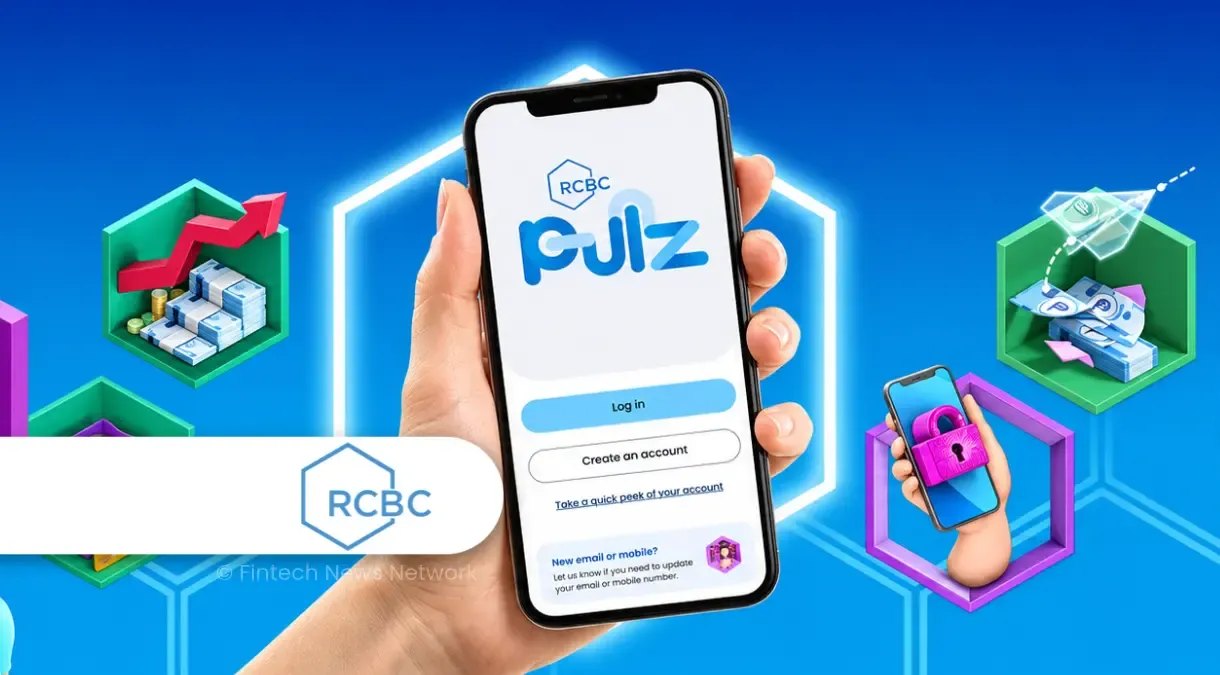
Rizal Commercial Banking Corporation (RCBC) has added stablecoin support to its Pulz US Virtual Account, giving Filipinos who earn from American employers and clients a new way to get paid.
The bank built the update with Meridian, a US payments network. Account holders can now receive transfers in USDC and USDT, two of the most widely used dollar-pegged digital tokens, according to a report by Fintech News Philippines.
How the Stablecoin Transfers Work
Incoming stablecoin payments are handled by Meridian and its US partners, which automatically convert them into ordinary US dollar balances before crediting them to the user's account.
The service accepts transfers sent over three blockchain networks: Ethereum, Polygon and Base. Recipients do not end up holding crypto; the funds appear as dollars.
Once the money arrives, users can exchange it for Philippine pesos and move it into their RCBC accounts.
Payments Outside Banking Hours
The main practical change is timing. Conventional US payment rails such as ACH and Fedwire generally run on banking schedules, which can delay funds sent late in the week or around holidays.
Stablecoin transfers, by contrast, can settle at any hour, including weekends and public holidays. For workers paid by clients in different time zones, that removes a common source of waiting.
Meridian chief executive Will Haering said users' money "can arrive at any hour of any day and land as dollars in their RCBC account."
A Product Built for Remote Workers
RCBC first announced the US Virtual Account in 2025 and launched it that November, describing it as the first product of its kind in the Philippines.
The account lets Filipinos receive US dollar payments through ACH and Fedwire without needing a US address, a social security number or US residency. Manila Bulletin reported at launch that it carries a monthly receiving limit of US$10,000.
The bank designed the account primarily for freelancers, virtual assistants and other remote workers, though it said other eligible cross-border payments from the US may also be accepted. According to RCBC, thousands of professionals have signed up since it went live.
The Bank's Rationale
RCBC frames the stablecoin option as an addition rather than a replacement for existing channels. Lito Villanueva, the bank's executive vice president and chief innovation and inclusion officer, said the move gives freelancers and remote workers another way to receive their earnings.
The Philippines has a large population of online freelancers and outsourced workers serving overseas clients, many of whom already encounter stablecoins as a payment option on international platforms. Connecting those tokens to a regulated bank account addresses a gap between how some clients prefer to pay and how workers ultimately need to spend.
Why Banks and Stablecoin Networks Are Converging
The partnership reflects a broader pattern in which traditional banks work with payment intermediaries to accept dollar-pegged tokens without taking on the conversion and custody themselves. In this setup, Meridian and its partners handle the crypto side, while RCBC receives standard dollar balances.
That structure lets a bank offer round-the-clock receiving capability while keeping its core accounts denominated in familiar currencies.
What It Means for Filipino Freelancers and Fintech Players
For remote workers, the update widens the set of options for getting paid by US clients and may shorten waits caused by banking schedules. The existing account features, including the reported monthly limit, still frame how much can be received.
For the fintech sector, the move shows a mainstream Philippine bank treating stablecoins as a practical payment rail for cross-border income. How widely clients adopt the option will indicate whether similar bank and stablecoin partnerships spread across the region.
Source: Fintech News Philippines