As UPI payments become a daily habit for millions of Indians, the apps that process them face a difficult marketing problem: the core service looks almost identical from one platform to the next. Cashback and offers can win a first download, but they rarely create lasting loyalty.
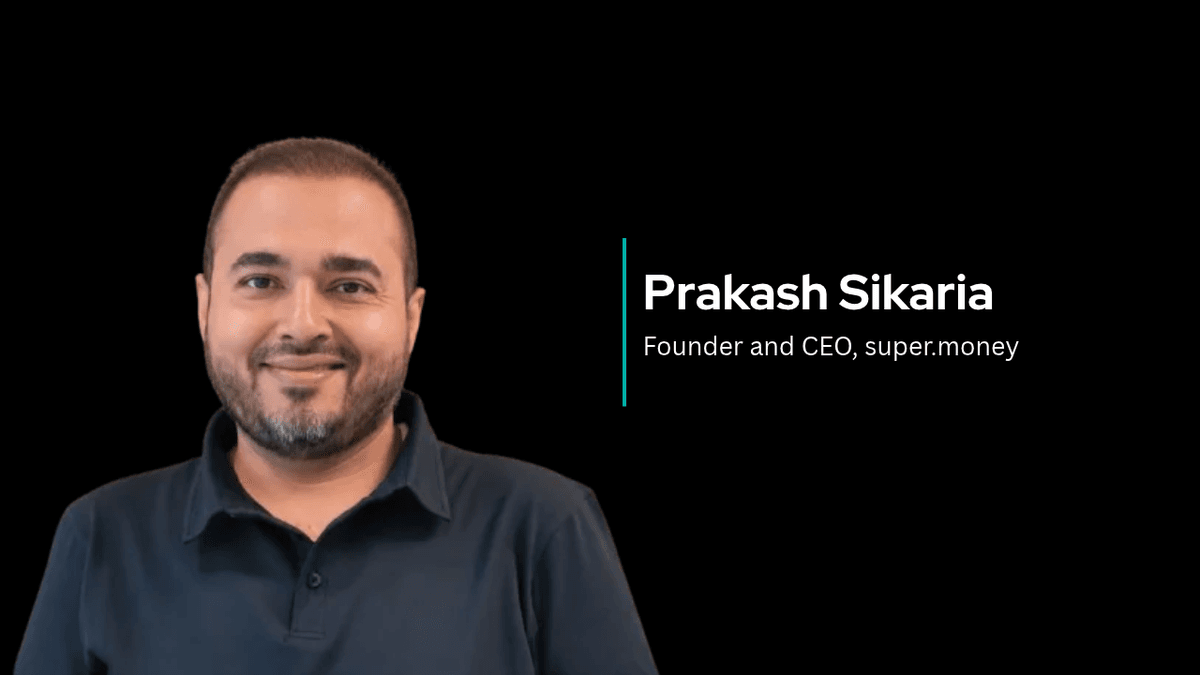
Prakash Sikaria, founder and CEO of super.money, argues that the answer lies in pairing a product that works without friction with a brand people actually remember. In an interview reported by Social Samosa, he outlined how the company is using humour, celebrity campaigns and large media bets to do that, and where it plans to grow next.
The Challenge of Branding an Invisible Product
Sikaria points out that payments are built to go unnoticed. A smooth transaction is quickly forgotten, while a failed one stands out immediately, which makes brand-building in the category unusual.
His goal is to keep the product functionally in the background while making the brand itself distinctive. Frequent transactions alone, he suggests, do not guarantee that a user prefers one app over another; trust, consistency and real value do that work.
Awareness may prompt a first payment, in his view, but only a reliably good experience brings users back.
Humour With a Clear Link to the Product
Financial services brands have traditionally leaned on serious, trust-focused messaging. Many are now adopting more conversational and pop-culture-driven formats to reach younger customers, and super.money is among them.
Sikaria cautions that entertainment only works when it connects to what the product offers. Younger audiences, he notes, are quick to spot an advertisement that is merely trying to look entertaining.
He also stresses that humour cannot replace credibility, especially for credit and other money-related products. Campaigns are judged on awareness, consideration, app adoption, transactions and repeat usage rather than views or engagement alone.
Celebrities Chosen to Carry a Specific Message
The company has run campaigns with Salman Khan, Tiger Shroff and Jonty Rhodes, each tied to a particular proposition. Khan's persona fit the brand's 'No Drama, Only Cashback' positioning, while Shroff's well-known physical splits offered a creative way to promote its Pay in 3 instalment option.
Sikaria says the star should reinforce the product rather than become the main thing viewers remember. "The personality has to serve the idea, not overshadow it," he said.
A Big Bet on the IPL and Connected TV
Super.money's media spending has historically been weighted toward digital channels. The IPL marked a notable change, with roughly 40% of the company's annual marketing budget directed to the cricket property.
Connected TV is another focus, combining the attention levels of television with digital targeting. The company assigns each channel a role in the customer journey, using TV for awareness and consideration and digital and performance marketing for downloads and transactions.
For the festive season, rather than competing only on discounts, the company launched splitStore, an in-app shopping destination offering interest-free instalments. Sikaria said preparation also extended to technology, transaction capacity and operations to handle higher volumes.
Small Product Touches and Smarter Data Use
The company is also trying to make routine payments more personal. A feature called superBeats lets users customise UPI confirmation sounds with internet-culture references, and users who switch it on show close to 10% higher retention than those who do not, though Sikaria describes this as correlation rather than proof of cause.
Consumer data shapes the relevance and timing of communication, which matters particularly in credit, where pitching offers to people unlikely to qualify wastes acquisition spending. Super.money is exploring artificial intelligence for operational efficiency, fraud and risk management, and marketing effectiveness.
Sikaria says the company's customer acquisition cost is among the lowest in the industry, although no figure has been disclosed.
What the Shift Toward Commerce and Credit Signals
Over the next six to twelve months, super.money plans to expand its commerce business, keep investing in payments, deepen ties with credit partners and build products aimed at younger users. A central idea is embedding payment flexibility into shopping from the start rather than offering credit only at checkout.
For the wider fintech sector, the story highlights a broader shift: as UPI becomes a commodity, platforms are competing on brand, retention and adjacent services. The test for super.money will be widening its ecosystem without losing the simplicity and reliability that keep people using it every day.
Source: Social Samosa