OpenAI's sales are growing quickly, but so are its losses. The company generated about $10 billion in revenue during the third quarter, a gain of roughly 50%, according to investor documents reviewed by the Wall Street Journal and reported by Reuters on November 10, 2026.
Over the same period, the company's operating loss grew to $10.9 billion from $10.1 billion. The result shows a business whose margins are getting better while the absolute loss keeps getting bigger, a pattern that will draw attention from the investors who have committed enormous sums to the company.
Better Margins, Bigger Losses
The documents put OpenAI's adjusted operating margin at negative 109%, up from negative 150% in the previous quarter. Each dollar of revenue is now absorbing less of the company's costs than before.
Even so, the improvement was not enough to shrink the loss in dollar terms. Because revenue rose so sharply while spending also climbed, the operating loss widened by roughly $800 million from one quarter to the next. OpenAI did not immediately reply to a request for comment from Reuters.
Compute Sits at the Center of the Business
OpenAI has consistently presented computing capacity as the engine of its growth. In a January 2026 article, chief financial officer Sarah Friar said the company's annualized revenue exceeded $20 billion in 2025, supported by about 1.9 gigawatts of available compute.
Friar argued that revenue closely follows the amount of compute on hand, and that more capacity in earlier periods would have sped up customer adoption and monetization. In that framing, compute funds research and better models, stronger models drive product usage, and usage produces the revenue that pays for more compute.
The company earns money through consumer and workplace subscriptions, pay-as-you-go API access, and a free tier backed by advertising and commerce.
The Timing Problem in Infrastructure
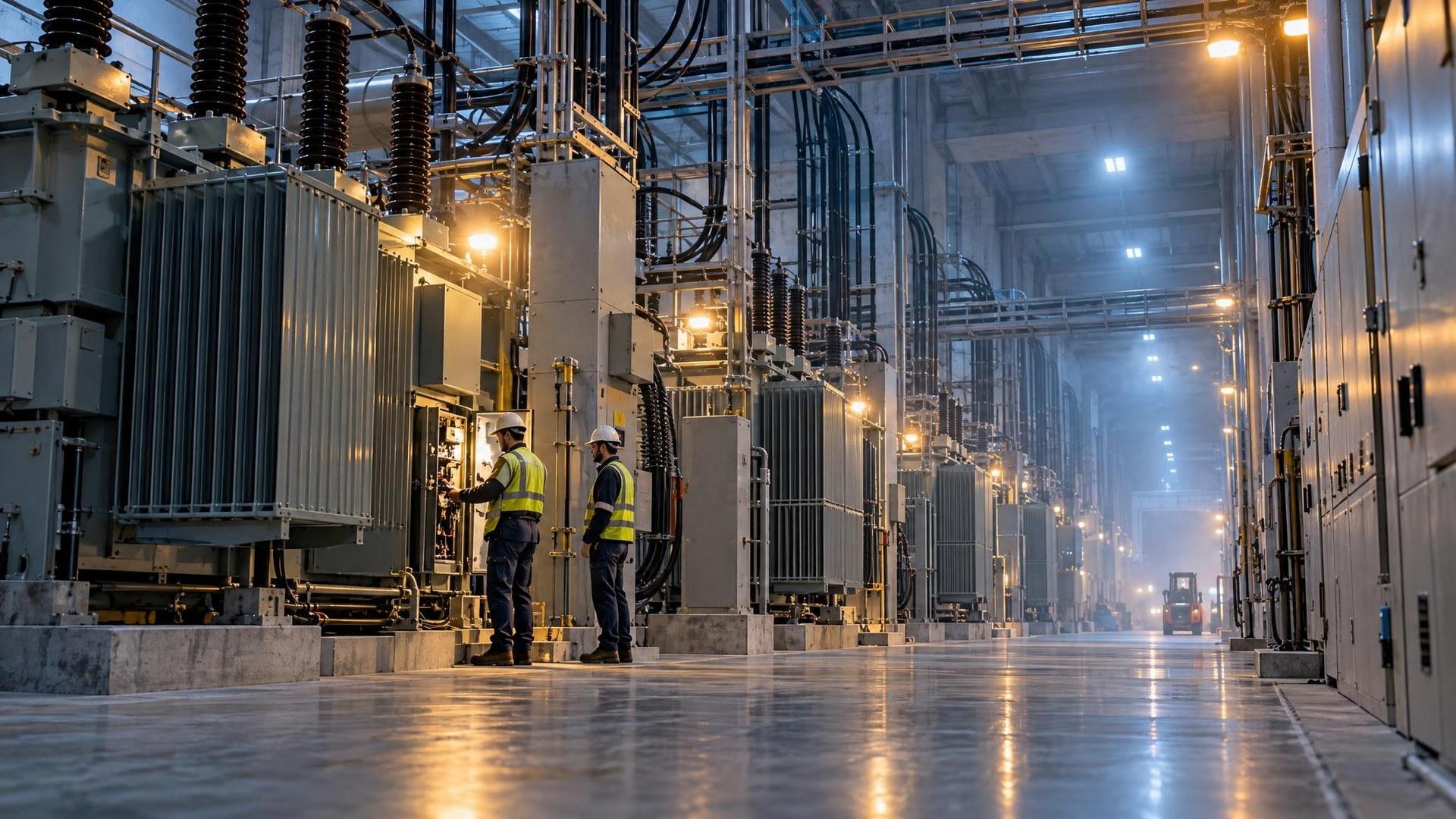
Securing compute requires commitments made years ahead of time. OpenAI deploys capital in stages based on demand signals and relies on partners to supply infrastructure rather than owning it outright.
Friar has acknowledged that capacity sometimes runs ahead of usage, while at other times usage outpaces capacity. The partnership model gives OpenAI flexibility across providers and hardware, but it also means that mistimed investments can be costly when demand and supply do not grow in step.
Enterprise Customers Gain Ground
A growing share of OpenAI's revenue now comes from businesses. In an April 2026 update, the company said enterprise customers accounted for more than 40% of revenue and were on pace to match consumer revenue by the end of 2026. At that point, ChatGPT had 900 million weekly users.
New corporate customers named at the time included Goldman Sachs, Phillips and State Farm, while existing clients such as Cursor, DoorDash, Thermo Fisher and LY Corporation were increasing their usage. Together, those figures point to two revenue paths: mass-market consumer adoption and deeper deployments inside organizations.
A Massive Funding Base Behind the Spending
OpenAI's losses are backed by one of the largest private funding rounds on record. On March 31, 2026, the company announced it had closed a round with $122 billion in committed capital at an $852 billion post-money valuation, as Unite.AI noted in its coverage of the quarterly figures.
The company pitched reliable compute access as the foundation for research progress, better products, broader availability and lower costs at scale. Its infrastructure network at the time included Microsoft, Oracle, AWS, CoreWeave and Google Cloud, along with chip and data-center partners. Nvidia hardware remained the backbone of its training fleet and most of its inference operations.
What the Numbers Signal for AI Builders and Backers
The quarter captures the core tension in frontier AI: revenue can grow at a pace few companies have matched, yet the cost of compute can grow alongside it. Improving margins suggest some operating leverage, but the widening loss shows revenue has not caught up with expenses.
For founders and investors across the AI sector, OpenAI's trajectory offers a reference point on how capital-intensive scaling can be. The key question for upcoming disclosures is whether adoption, particularly from enterprises, can eventually narrow the loss while the company keeps expanding the compute capacity its products depend on.
Source: Unite.AI