Oister Global, a private markets asset manager focused on India, has introduced a new fund aimed at deep tech companies that have already proven their technology and now need capital to scale.
The Oister Deep Tech Fund carries a total size of Rs 600 crore and represents the firm's first move into investing directly in startups, according to a report by Moneycontrol. Until now, Oister has participated in the sector as a limited partner in other venture capital funds.
How the New Fund Is Structured
The fund plans to raise a base corpus of Rs 400 crore, with a greenshoe option that allows for another Rs 200 crore. It is registered as a Category II alternative investment fund with the Securities and Exchange Board of India.
Its tenure is set at six years, which can be extended by as much as two additional years if investors agree. Oister intends to keep the portfolio concentrated, backing between eight and 10 companies with cheques of roughly Rs 70 crore to Rs 100 crore each.
The firm also said it views this vehicle as the first in a series of deep tech funds rather than a single standalone effort.
Why Oister Is Going Direct
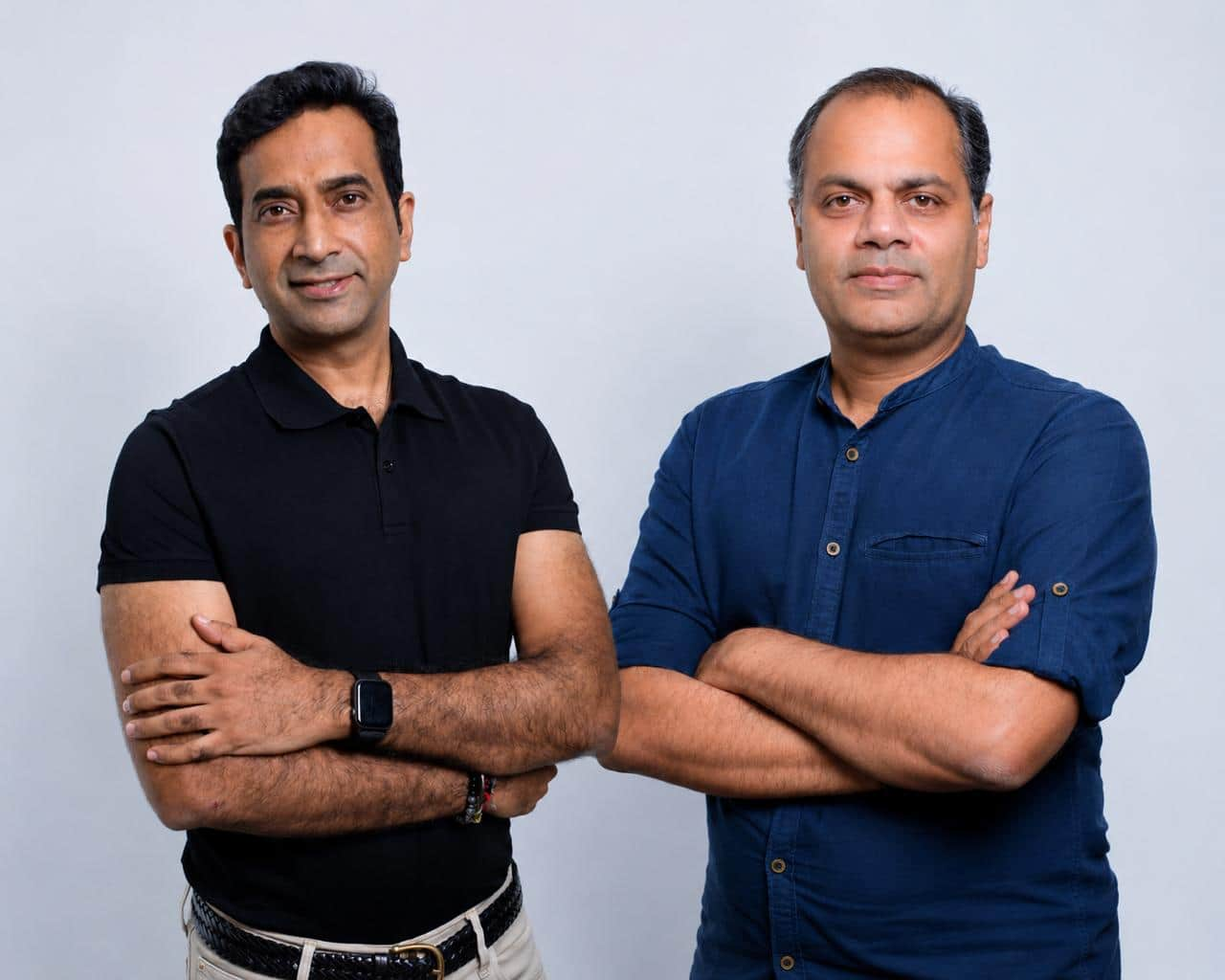
Sandeep Sinha, co-founder and co-CEO of Oister Global, said the shift toward direct investing is motivated by the potential for stronger returns. He noted that a fund-of-funds strategy typically delivers gross internal rates of return in the range of 25 to 27 percent.
By investing directly in companies, Sinha said, the firm expects returns to be meaningfully higher than that benchmark, which led to the decision to build its own portfolio of startups.
Target Sectors and Investment Criteria
The fund will look at companies working in space technology, defence and aerospace, semiconductors and electronics, quantum technologies, advanced mobility, advanced materials and energy storage.
Unlike investors that back deep tech ventures at the research or prototype stage, Oister wants businesses that already have proprietary intellectual property, validated technology and revenue coming in. Its capital is meant to help these firms expand manufacturing capacity, fulfil orders and speed up commercial adoption.
Oister said it has drawn up an initial shortlist of potential investments across these sectors, though it declined to disclose names.
A Gap in India's Deep Tech Funding Pipeline
The launch arrives as investor interest in Indian deep tech continues to build. Citing industry data, Oister said startups in the space raised close to $3 billion across 189 deals in 2025, the best year on record.
Yet relatively few of these companies progress to later rounds. Drawing on the World Intellectual Property Organization's Global Innovation Index 2026, Oister said India has 453 deep science startups and spinouts, of which only 18 have secured late-stage funding.
The comparison with other major economies is stark. The same data shows 12,752 such companies in the United States with 1,980 at the late stage, and 3,466 in China with 582 reaching that point.
Bridging Early and Institutional Capital
Rohit Bhayana, the firm's other co-founder and co-CEO, described the problem as a missing middle. "Very few funds back these companies after the early stage," he said.
In his view, early-stage investors tend to fund technology development, while large institutions usually wait until businesses are far more mature, leaving companies stranded when they need money to industrialise.
What It Means for Deep Tech Founders
For founders building hardware-heavy or science-driven businesses in India, the fund offers a potential source of capital at a stage where options have been scarce. Its focus on production and order execution aligns with the practical challenges of moving from lab to factory.
The move also signals that some Indian asset managers see enough maturity in the sector to justify direct, concentrated bets. Whether more growth-stage investors follow will help determine how many of India's deep tech startups can scale into large commercial enterprises.
Source: Moneycontrol.com