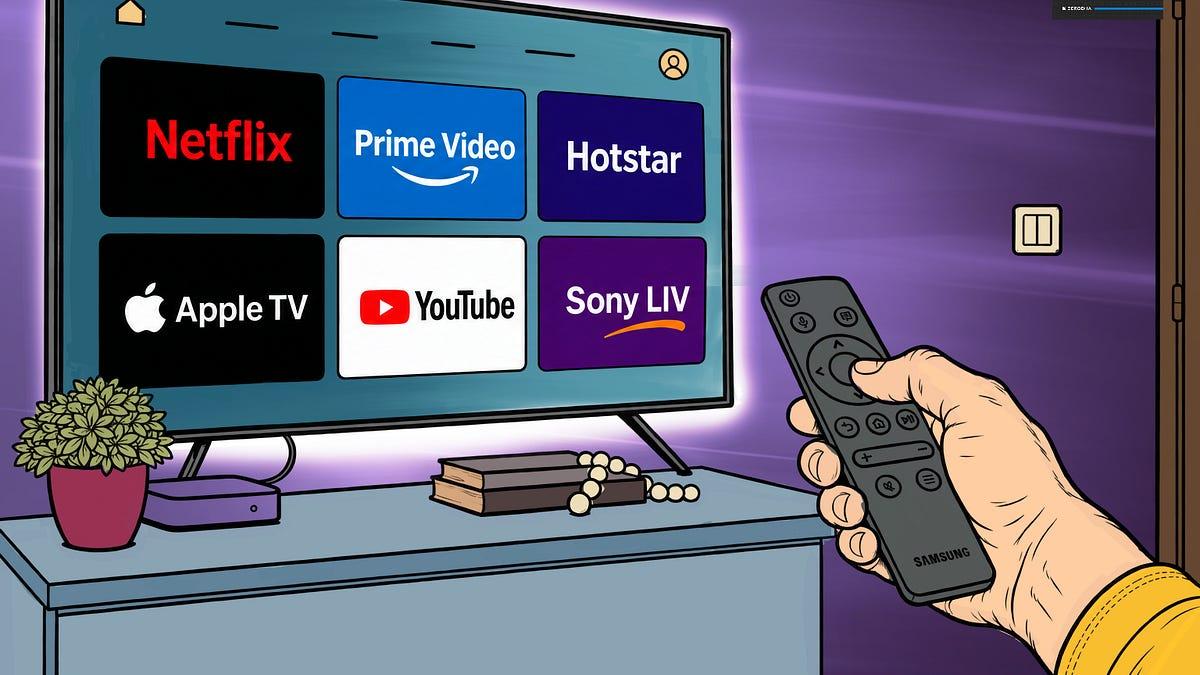
On paper, Netflix just had an excellent quarter. On October 20 the company told investors that revenue rose 12% year-on-year to $12.9 billion, operating profit climbed 37%, and fewer subscribers were cancelling than a year earlier.
Beneath those figures, however, sits a less comfortable trend. Days later, Bloomberg reported that, according to people familiar with internal data, subscribers were opening the Netflix app less often and spending less time watching. Total viewing still grew, but only because there were more accounts.
The tension between healthy financials and softer engagement, explored in a recent analysis by The Daily Brief by Zerodha, points to wider cracks in how streaming companies make money from attention.
Why Viewing Time Is Suddenly a Bigger Deal
For a pure subscription business, how much each person watches barely shows up in revenue. Growth comes from new sign-ups, price increases and lower cancellations, and Netflix said its latest growth came mainly from more members and higher prices.
The per-account decline appears to have started around the password-sharing crackdown of 2022 and 2023, when fewer people began sharing each login. Executives expected the dip to fade, but it has persisted. Meanwhile, Netflix reported its slowest sales growth in three years, and its share price has been falling.
Advertising Grows, but Rivals Hold Structural Edges
Advertising was meant to make every extra hour of viewing count. Netflix launched ads in 2022, and management says the ad business has grown 80% this year, generating $2.7 billion. Still, it fell about 10% short of the company's own expectations, partly because not all ad slots have been sold.
Amazon operates on a different scale. Its ad business brought in nearly $69 billion, with Prime Video estimated at $6 to 7 billion, and it can tie ads to shopping behaviour. Netflix now even lets advertisers target viewers using Amazon's shopping data.
Disney leans on franchises that extend far beyond the screen. Its Toy Story films have earned over $4 billion at the box office, logged more than two billion hours on Disney+, and drive more than $1 billion a year in merchandise. Disney also says customers bundling Disney+, Hulu and ESPN cancel least often, while Amazon Prime members may stay for deliveries alone.
The Growing Weight of Old Content
Keeping viewers engaged after a hit ends is a persistent challenge, especially with Stranger Things having concluded. Data from Parrot Analytics shows library titles made up 63% of Netflix viewing in the second quarter of 2026, up from 51% in early 2023, while new seasons slipped from 12% to 8%.
That shift has made catalogues highly valuable. Netflix held talks to acquire Warner Bros but stepped away when Paramount Skydance outbid it. The risks of renting rather than owning are well known: in 2018 Netflix reportedly paid $100 million to keep Friends for one more year in the US, only for the show to later leave for its owner's platform.
Live Events and Reality TV as Habit Builders
Sports offer recurring, appointment-based viewing, which is why streamers bid heavily for rights. Netflix's WWE deal was reportedly worth over $5 billion across ten years, and Prime Video holds NFL and NBA rights.
Netflix expects live events to take just over 5% of content spending but only about 1% of viewing hours. Even so, live events accounted for six of its ten biggest new-member sign-up days over five years. In India, reality programming such as Lock Upp lifted viewing hours per member last quarter, suggesting cheaper formats can also build routines.
YouTube Wins Attention With Less Risk
YouTube captured roughly 16% of all US television viewing in August, more than double Netflix's share. It earned $11.2 billion from ads last quarter, with Alphabet saying over a third came from TV screens.
Its model carries far less upfront risk, since it pays eligible creators 55% of net ad revenue on long-form videos rather than funding shows in advance. More than 1.3 million channels are also enrolled in YouTube Shopping, linking viewing directly to purchases.
What It Means for the Streaming Industry
With every streamer adding ad inventory at once, prices face pressure; Disney's finance chief noted in August that growing supply was weighing on pricing across the sector. Short-form video and microdramas add another variable to how audiences spend their time.
For media companies and founders alike, the lesson is that scale and margins alone no longer guarantee durability. The platforms best positioned may be those that can monetise attention in several ways, or that carry the least risk in producing it.
Source: The Daily Brief by Zerodha