Instinct, the AI personal assistant that drew a wave of attention earlier this year, says a large share of its users are willing to hand it their payment details soon after signing up. Founder Noah Shinn says nearly 40% of users connect a personal credit card to the service within their first three weeks.
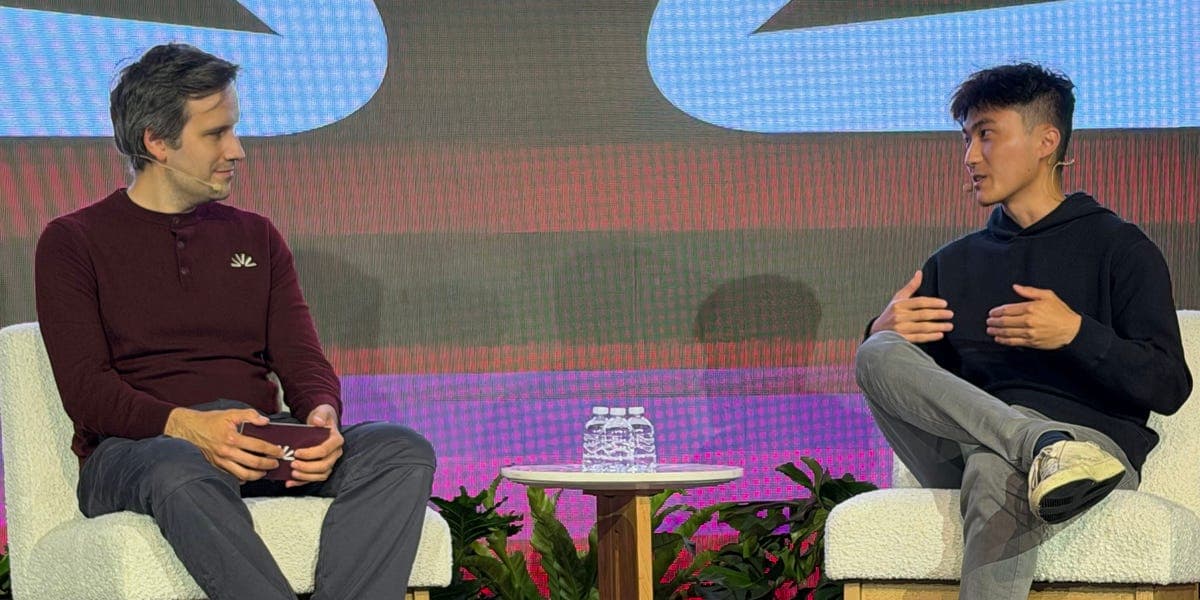
Shinn presented the figure on Tuesday at Fireworks AI's Forge conference in San Francisco, according to a report by Business Insider. He framed it as evidence that people are becoming comfortable letting AI agents handle their money and personal information faster than many might expect.
A Metric Built Around Trust
For Shinn, the credit card number is less about payments than about confidence. Handing over a card means allowing software to spend on a person's behalf, which is a meaningful step beyond asking a chatbot for advice.
"That to me is a real sign of trust," Shinn said of the figure during his talk.
He explained that Instinct tracks trust in part by watching how quickly users let the assistant make larger purchases. That includes transactions above $500 and travel bookings that can run to several thousand dollars.
From Answering Questions to Getting Things Done
Instinct is one of the products credited with pushing AI assistants into a new phase. Rather than simply responding to prompts, these agents carry out tasks such as booking flights, ordering groceries, organizing calendars and canceling unwanted subscriptions.
That shift comes with a trade-off. The more an agent can do, the more access it needs, including to a person's inbox, schedule, payment methods and personal preferences.
Big Tech Joins the Agent Race
Instinct is no longer alone in this space. Meta has launched an agent called Muse, OpenAI recently introduced one called Dots, and Anthropic has unveiled Claude Duet, a proactive assistant built to take on tasks for its users.
Shopping is emerging as one of the clearest uses for these tools. Meta has said that more than a quarter of Muse users have bought something through the agent, with average orders topping $200.
Business Insider's Katie Notopoulos raised questions about what those users are actually purchasing, and whether costly, tedious buys like flights and appliances are behind the numbers.
A Young Founder With a Big Valuation
Shinn is 24 and left college to build the company. In September, Instinct announced it had raised $1 billion at a $10 billion valuation, placing it among the most richly valued young startups in the AI assistant market.
That capital gives Instinct room to compete with much larger rivals, but it also raises expectations that the company can turn early enthusiasm into lasting, everyday use.
The Data Behind a Useful Assistant
Shinn was candid that Instinct's value depends on gathering extensive information about the people who use it. The assistant draws on private emails, calendars, conversations and stated preferences so it can recall details without being reminded each time.
He described the volume of personal information involved as massive. That reliance on deep data access is likely to remain a central issue for users and regulators weighing the convenience of AI agents against privacy concerns.
Looking ahead, Shinn outlined plans for real-time voice interactions and interfaces that adapt dynamically. He also predicted that, within the next few years, most people with internet access worldwide will have an AI operator similar to Instinct.
What the Numbers Signal for the Agent Market
For founders building in this area, Instinct's figure suggests that consumer hesitation around AI handling payments may fade quickly once a product proves useful. Card linking and willingness to approve large purchases offer practical ways to measure that confidence.
At the same time, the competitive field now includes Meta, OpenAI and Anthropic, and success will likely hinge on which companies can earn access to sensitive data while keeping users comfortable that it is handled responsibly.
Source: Business Insider