Huawei Technologies, the Chinese telecommunications and chipmaking giant, has been convicted on multiple US criminal charges, including misleading banks about its business dealings in Iran, stealing trade secrets and laundering money.
The verdict came from a federal jury in Brooklyn, New York, after an 11-week trial and roughly four days of deliberation. Jurors found the company guilty on 10 of the 12 counts it faced, according to a report by the NZ Herald, marking a rare instance of a foreign corporation being tried and convicted in a US criminal court.
A Split Verdict on the Most Serious Charges
While the jury sided with prosecutors on most counts, it acquitted Huawei of two charges: racketeering and obstruction of justice. The racketeering count, brought under the Racketeer Influenced and Corrupt Organisations Act, was the centrepiece of the government's case.
Huawei's lead lawyer, Brian Heberlig, emphasised those acquittals in his response. He argued that the racketeering charge had painted the company as corrupt throughout its organisation, and that jurors rejected that portrait.
Heberlig described feeling "profoundly mixed emotions" about the outcome and said Huawei would appeal the counts on which it was convicted.
An Eight-Year Road to Trial
The Justice Department first brought charges against Huawei about eight years ago. The case was made public in early 2019 as part of the China Initiative, a programme launched during the first Trump administration to counter Chinese espionage and influence in the United States.
Getting to a verdict was not straightforward. Prosecutors had to fend off Huawei's efforts to derail the case before trial, and the Covid pandemic caused years of delays by making travel difficult for lawyers and witnesses.
The case also drew attention for an alleged interference attempt. In 2022, two Chinese intelligence officers were accused of trying to bribe a US law enforcement official with US$61,000 in Bitcoin in exchange for evidence and inside information about the prosecution.
A Win for Prosecutors Who Have Struggled Against Chinese Firms
Under the China Initiative, the Justice Department secured many convictions against Chinese nationals but found it harder to prevail in trials against large Chinese companies operating on US soil.
The Huawei result therefore stands out as a significant success for federal prosecutors. The company now faces possible fines, forfeiture and restitution, although the government has not yet said how large a penalty it will pursue.
Huawei's Strategic Role in China's Tech Ambitions
Huawei is the world's largest maker of telecommunications equipment and China's largest technology company. For most of the period since charges were filed, it has been largely shut out of the American market by trade restrictions imposed under both the Trump and Biden administrations on national security grounds.
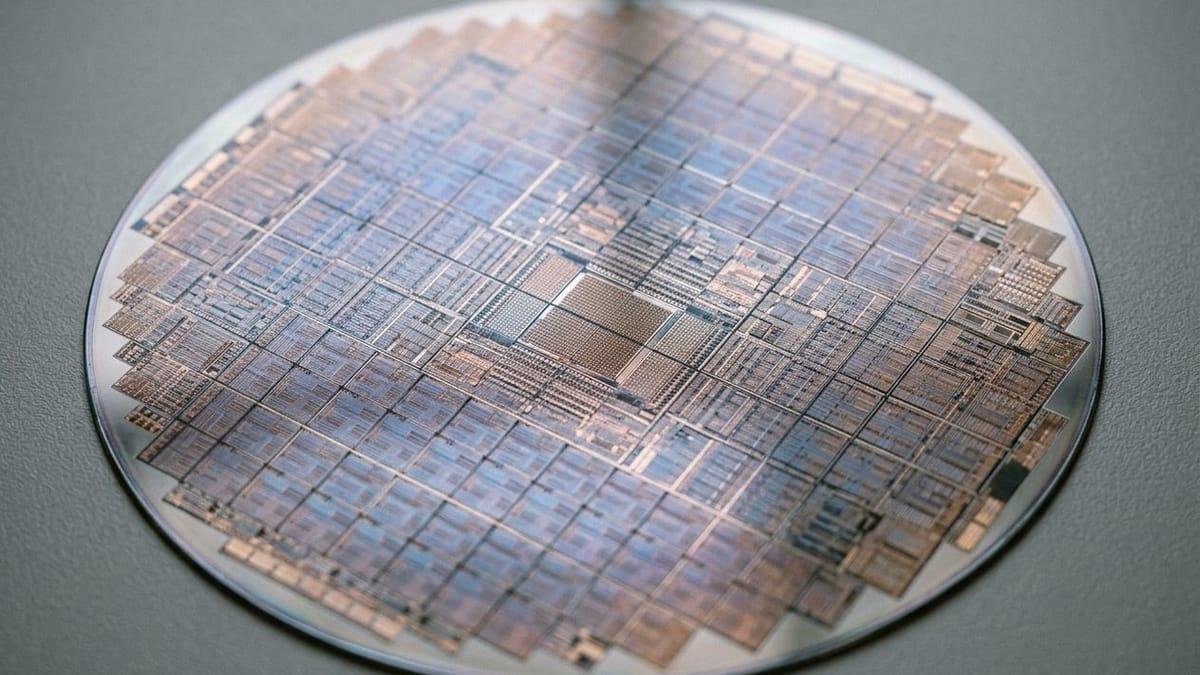
Despite those limits, the company has become China's de facto national champion in chipmaking. It is among a small group of firms at the heart of Beijing's push to lead in artificial intelligence and to replace American software and semiconductors with homegrown alternatives.
A Long Thread of Diplomatic Tension
The case has strained relations between Washington and Beijing from the start, emerging while the two countries were locked in a trade war. Months after the indictment, Trump administration officials labelled Huawei a national security threat, alleging its equipment could be used by China's Communist Party for surveillance.
The prosecution also sparked a diplomatic crisis when Meng Wanzhou, Huawei's chief financial officer and the daughter of its founder, was arrested in Canada at the request of the US. After nearly three years under house arrest in Vancouver, she reached a deferred prosecution agreement in 2021 and returned to China, after acknowledging the company had breached US sanctions through business in Iran.
The new verdict arrives at a sensitive moment, with US-China ties already under pressure from other recent disputes.
What the Verdict Means for the Tech Industry
For the technology sector, the ruling reinforces how deeply legal and geopolitical risks are now woven into global supply chains, particularly in telecommunications, chips and AI. Companies operating across both markets face growing scrutiny over sanctions compliance and intellectual property.
With an appeal planned and penalties still undetermined, the case is not over. But it signals that US authorities can, after years of effort, secure a conviction against one of China's most strategically important companies.
Source: NZ Herald