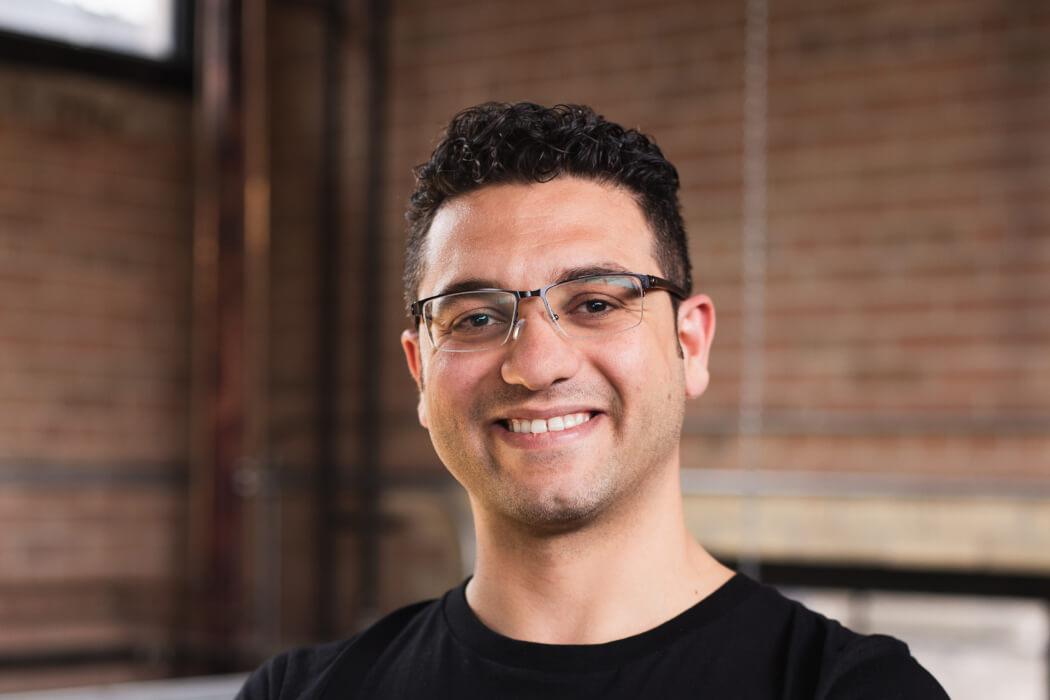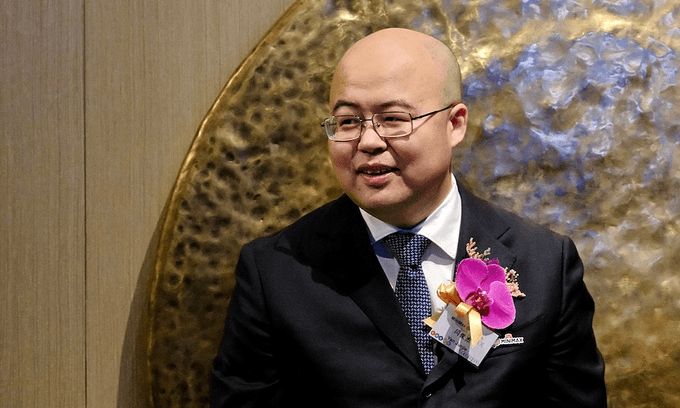
For Mike Collins, the founder and chief executive of Alumni Ventures, the costliest error in venture capital is not a portfolio company that collapses. It is the winner an investor had a chance to back and chose to pass on.
Collins shared that view during a visit to Seoul, where he is exploring a partnership with VIG Fund Asset Management, a Korean alternative investment manager. The talks signal a push by the U.S. firm to extend its alumni-driven investing model into the Asia-Pacific region, following an earlier partnership effort in Japan.
A Venture Firm Built on University Networks
Collins, a graduate of Dartmouth College and Harvard Business School, worked at startup support company Big Idea Group before launching Alumni Ventures in 2014. The firm gives individuals access to venture deals by organizing them through university alumni communities.
According to CB Insights and other sources, the firm has climbed into the ranks of the top 20 venture capital firms in the United States over roughly a dozen years. It manages about $1.8 billion and has invested in more than 1,500 companies.
Of its roughly 12,000 individual investors, more than 2,000 are alumni of Harvard University or the Massachusetts Institute of Technology. Those members help source deals and support portfolio companies.
Why Valuation Comes Second
In an interview with Chosunbiz at the Four Seasons Hotel in Seoul's Jung District, Collins pointed to Google as a cautionary example. Investors who balked at its early valuation, he said, gave up the chance at returns of around 1,000 times their money.
He stressed that he does weigh price, but treats it as a lower priority than a company's potential. Rather than labeling the whole market as hot or cold, he evaluates each opportunity on its own terms.
When assessing founders, Collins said he looks for people who can see where technology is heading, articulate a compelling vision and attract others to join them. He also focuses on what a team has actually built with the time and resources available, not just what it plans to do.
AI Is Changing How Fast Startups Grow
Collins, who has invested in ventures since 1986, said he has never seen companies generate revenue as quickly as they do today. In his view, many rising valuations reflect paying customers arriving faster, not just optimism.
He urged investors to separate companies whose valuations climb without market results from those whose valuations rise alongside revenue. He also noted that smaller teams are achieving more with less capital.
The reach of innovation is widening as well, he said, with startups aiming to put AI at the center of insurance, asset management and health care. He highlighted activity across AI infrastructure, robotics, space, energy and logistics, and observed that companies are staying private longer.
Exploring a Partnership in Korea
VIG Fund Asset Management oversees more than 20 trillion won on behalf of Korean institutional investors, offering alternatives such as real estate, infrastructure and private lending. Collins said the firm is keen to widen venture investment options for Korean investors, though the discussions are still at an exploratory stage.
He described a two-way model: investing in strong Korean companies while helping outstanding foreign startups enter Korea. A Korean startup raising money in the U.S. or seeking European customers could get support, he said, but nationality alone will not drive any investment decision.
Hong Jun-ki, chief executive of VIG Fund Labs, who joined the interview, said the initial goal is to give Korean investors access to high-quality U.S. venture deals that have historically been hard for them to reach.
Lessons From the Japan Playbook
Collins said the approach in Japan centers on helping local startups go global, bringing in leading technology companies and arranging ties with local businesses and government agencies. Investors there are also offered direct investment opportunities.
He noted that nine Alumni Ventures portfolio companies recently met with major Japanese conglomerates, officials and investors. Still, he emphasized that Korea differs from Japan and that the firm intends to listen to local needs before settling on a strategy.
What It Means for Korean Founders and Investors
Collins described Korean founders as smart, ambitious and resilient, but said broader support is needed, including friendlier regulation, tax incentives for investment and a culture that accepts failure. He pointed out that U.S. entrepreneurs often succeed only on a third or fourth attempt.
His advice to founders was simple: imagine the biggest possible future and work toward it every day for a decade. "Dream big, and then act," Collins said. If the VIG partnership materializes, Korean investors may gain a new path into U.S. venture deals, and local startups a new bridge abroad.
Source: Chosunbiz