General Motors has opened a safety recall covering 67,380 electric vehicles across its Cadillac and Chevrolet brands, citing a software problem that can briefly reduce a car's ability to brake.
According to a report by AUTOJOSH, the issue was described in a filing with the National Highway Traffic Safety Administration (NHTSA). The flaw sits in the brake system control module, the computer that manages how the vehicle's brakes respond to driver input.
Which Models Are Covered by the Recall
The recall spans several of GM's newer electric models. It includes the Cadillac Lyriq from model years 2023 through 2027 and the Chevrolet Blazer EV from 2024 through 2027.
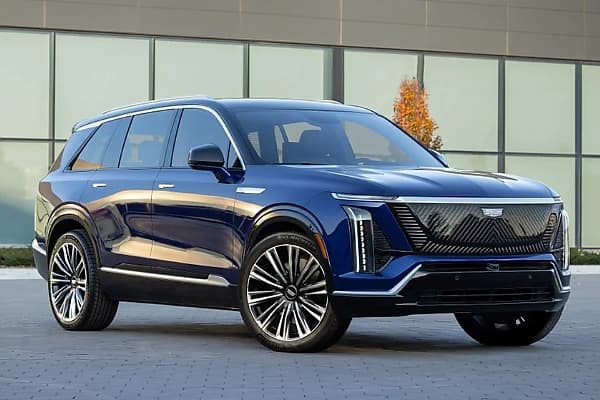
Two more Cadillac products are also affected: the high-end Celestiq for model years 2025 and 2026, and the three-row Vistiq for 2026 and 2027. Together, the lineup represents a meaningful share of GM's current electric portfolio.
How the Brake Software Problem Shows Up
The defect can cause a temporary loss of braking under a specific set of conditions: when the vehicle is turning at low speed and passes over bumps. In those moments, the software may not deliver the expected braking response.
Because the problem is rooted in code rather than worn or broken hardware, it can appear without any visible warning signs on the vehicle itself. GM's filing acknowledges that the condition raises the risk of a crash.
Incidents That Prompted the Action
GM identified 24 complaints that may be connected to the defect. Of those, 20 involved minor accidents, and two included claims of minor injuries.
The figures suggest the problem has had real-world consequences, though the reported incidents so far have been limited in severity. The recall is intended to address the issue before more serious outcomes occur.
Software Updates Will Deliver the Fix
The remedy is a software update to the brake system control module. Vehicles that support over-the-air updates will receive the patch remotely, without requiring a trip to a service center.
Owners of vehicles lacking that capability will need to visit a dealership to have the update installed. GM has also already built the corrected software into production for certain 2026 and 2027 model-year vehicles.
Timeline for Owners
GM plans to begin notifying affected owners in phases starting December 14, 2026. Owners do not need to wait for a letter to check their status, however.
Vehicle Identification Numbers have been searchable on NHTSA's recall lookup tool since October 29, 2026, allowing drivers to confirm whether their car is included.
What the Recall Signals for the EV Industry
The recall highlights how central software has become to core vehicle functions, including safety-critical systems like braking. As automakers move more control into code, software defects increasingly carry the same weight as mechanical ones.
It also shows the practical value of over-the-air update capability. For many owners, a fix can arrive without a dealership visit, reducing disruption for drivers and cost for manufacturers. For the industry, robust software testing and remote update infrastructure are becoming as important as traditional engineering in maintaining customer trust.
Source: AUTOJOSH