Germany and Austria are pressing for TikTok's European operations to be placed under European control. They argue that ownership of the platform, access to its data and command of its algorithm have become matters of privacy and digital sovereignty.
The proposal, first reported by China's Caixin and relayed by South Korea's Maeil Business Newspaper, would see European investors take a majority stake in TikTok's business on the continent. TikTok, owned by China's ByteDance, has dismissed the push as unfounded.
A Majority Stake Backed by Tens of Billions of Euros
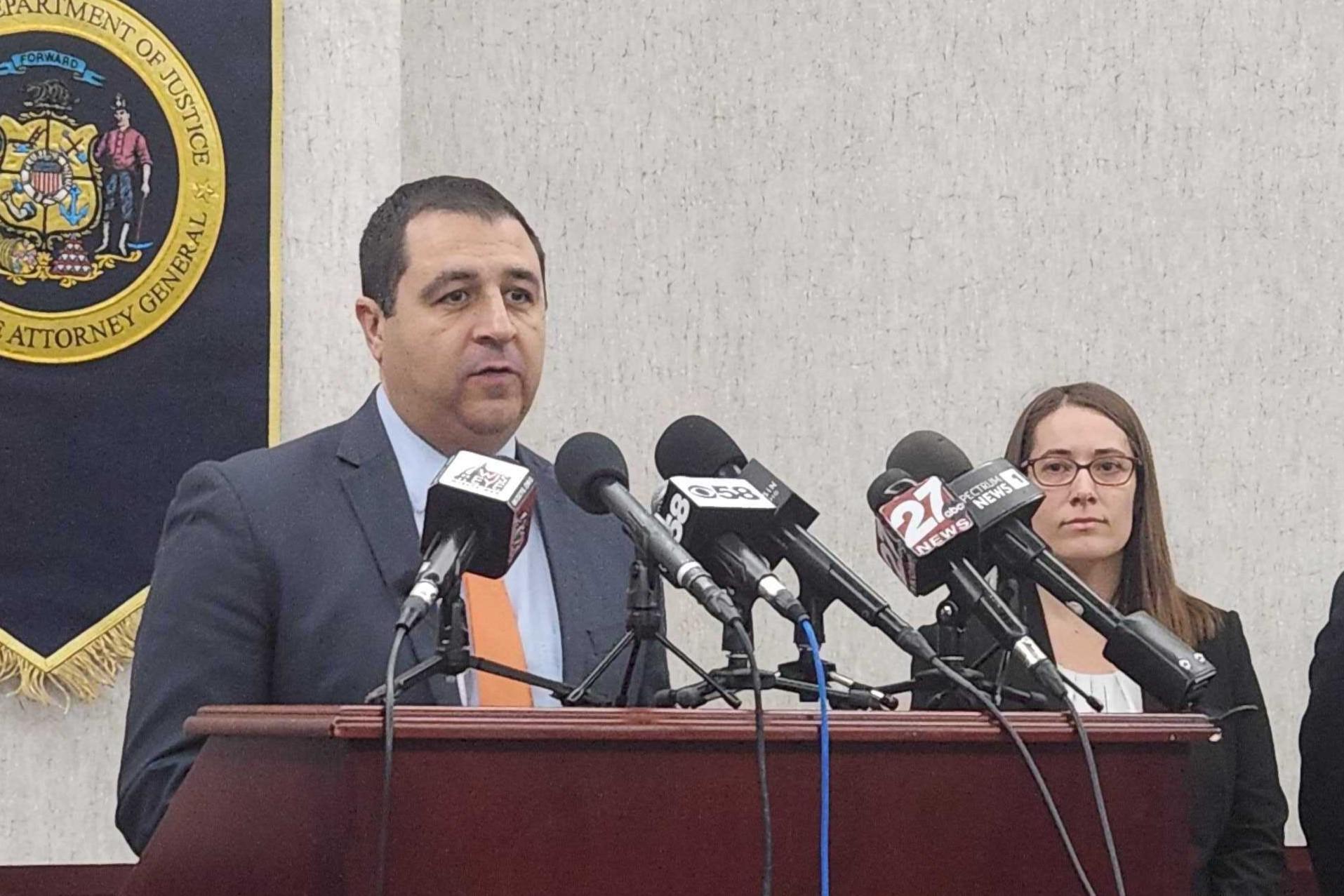
Wolfram Weimer, the German minister responsible for media, raised the idea at an EU ministerial meeting in Brussels on November 20. He said European investors were seeking to acquire between 75 and 80 percent of TikTok's European business unit.
According to Weimer, several parties have shown strong interest. He said he expected 25 billion to 30 billion euros could be raised to fund such a deal.
Why Berlin and Vienna See TikTok as a Democratic Issue
About one-third of the populations of Germany and Austria use TikTok. That reach, the two governments argue, gives the app significant influence over what people see and believe.
In their view, who owns TikTok, who can access its data and who controls its recommendation algorithm directly affect media diversity and the reliability of information. They contend those factors ultimately shape democratic decision-making.
Weimer, a conservative politician with a background in media and publishing, is not new to this position. He called for European ownership of TikTok in June and urged negotiations with ByteDance to bring the platform under European control.
TikTok Points to Existing Rules and Project Clover
TikTok rejected the claims as baseless. The company stressed that it already operates under extensive European legislation, including the Digital Services Act and the General Data Protection Regulation.
It also said the proposal ignored its 12 billion euro investment in Project Clover, its European data security program. TikTok describes the initiative as featuring independent oversight and safeguards that go beyond what the law requires.
Mounting Regulatory Pressure Across Europe
The ownership push arrives as TikTok faces a growing list of regulatory challenges in the region. The EU opened an investigation into possible breaches of its platform rules in 2024 and, in July, issued preliminary findings that TikTok had not met Digital Services Act safety standards for minors' accounts.
On November 6, the EU reached a preliminary conclusion that TikTok's recommendation system broke the law by encouraging compulsive scrolling. Days later, on November 10, Spain's Ministry of Youth and Children asked the country's data protection authority to temporarily suspend TikTok's operations.
Spain's request followed an investigation by a nonprofit organization that identified shortcomings in how TikTok handled and removed child sexual abuse material.
Echoes of the US Ownership Fight
The European debate mirrors the battle that played out in the United States over data privacy and national security. In 2024, Congress passed the Protecting Americans from Foreign Adversary Controlled Applications Act, which would ban TikTok unless its US business was sold.
President Donald Trump delayed enforcement of the law while negotiating with China. The two countries reached an agreement in principle in September of last year, and in January the TikTok USDS joint venture launched with US companies including Oracle and Silver Lake participating alongside ByteDance.
That venture is responsible for data security and control over algorithm operations in the United States, offering one possible template for what European officials appear to be seeking.
What the Proposal Signals for Platforms and Investors
Germany and Austria's proposal suggests that digital sovereignty is moving from regulatory talk toward ownership demands. For global platforms, compliance spending such as Project Clover may no longer be enough to satisfy governments concerned about foreign control.
For investors, the reported appetite for a deal worth up to 30 billion euros points to a potentially large transaction, though it would require ByteDance's agreement and likely Chinese approval. Whether Europe follows the US path remains an open question, but the pressure on TikTok in the region shows little sign of easing.
Source: 매일경제