Wisconsin has filed a lawsuit against TikTok, accusing the short-video platform of deliberately building features that keep children hooked while concealing the risks those features pose to their mental health.
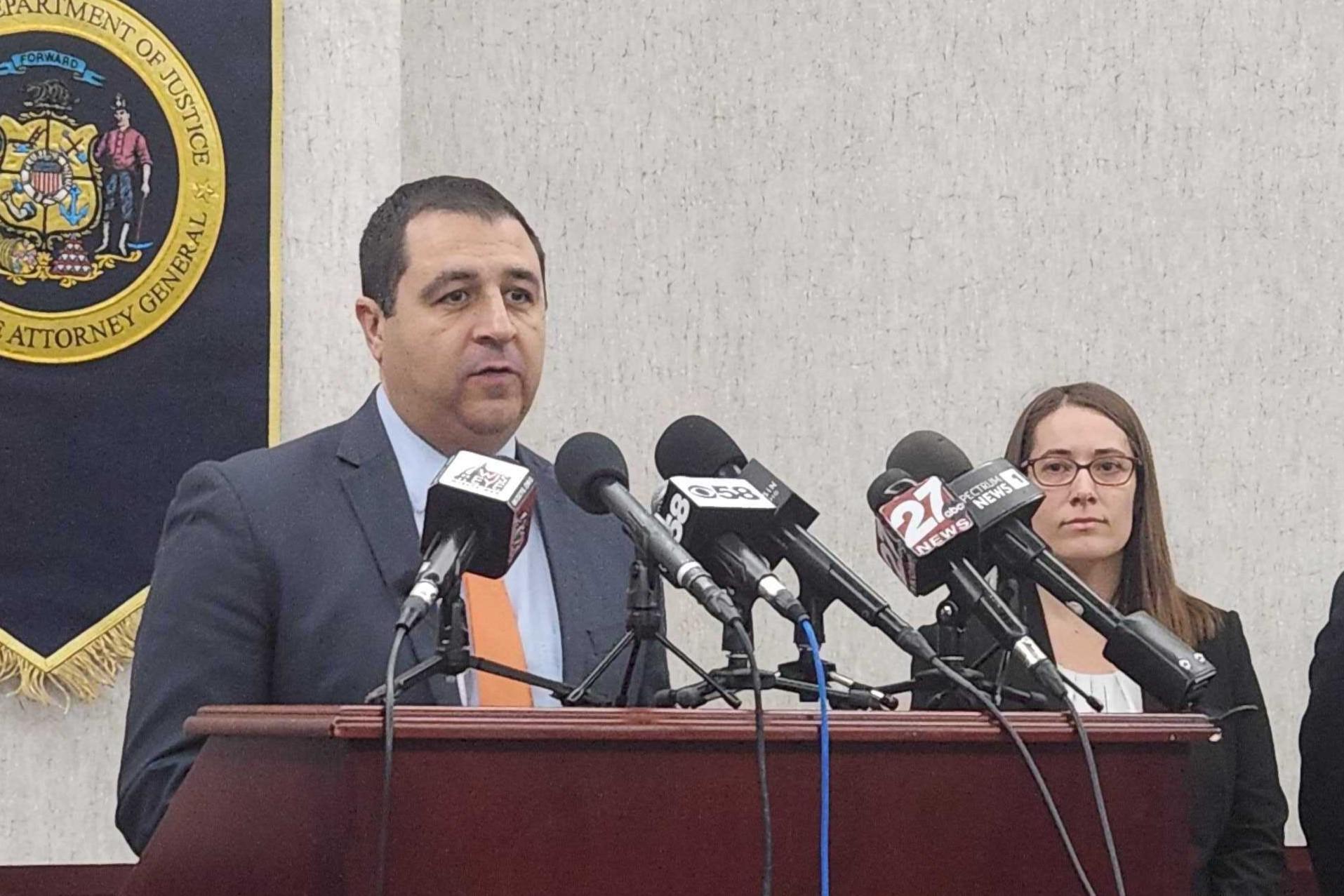
Attorney General Josh Kaul announced the case at a press conference on Thursday, according to a report by the Wisconsin Examiner, republished by VernonReporter. The complaint argues that TikTok targets young users as a core audience and profits from the time they spend on the app.
TikTok rejects the allegations and has signaled that it intends to contest the case in court.
What the State Is Alleging
The 67-page complaint, filed in Dane County Circuit Court, claims TikTok violated Wisconsin's deceptive trade practices law and created a public nuisance. Kaul said the company has misled parents and the broader public about how dangerous the app can be for kids.
According to the attorney general, those practices have fed into a wider mental health crisis affecting children in Wisconsin and across the country. The suit argues that TikTok designs its product to maximize the hours young people spend scrolling.
Features Under Scrutiny
The lawsuit singles out several parts of the app, including its recommendation engine, infinite scroll, autoplay and push notifications. It cites internal TikTok documents indicating the recommendation algorithm is built to drive engagement and can steer users into narrow streams of harmful content.
TikTok LIVE also draws criticism. Because livestreams can only be watched in real time, the state argues they encourage users to return often and stay longer. Short videos that vanish after 24 hours are described as creating similar pressure to check the app repeatedly.
The complaint further claims that weak age verification allows minors to broadcast on LIVE despite a rule barring users under 18, and that teens using the app frequently encounter sexual content as well as material involving drugs and alcohol.
The Business Model at the Center of the Case
The state frames the alleged harms as a direct consequence of how TikTok makes money. Like other social platforms, it earns revenue by selling targeted advertising and running an ecommerce operation, so every additional minute of user attention has commercial value.
Kaul argued that this model relies on exploiting compulsive behaviors to which children and teenagers are especially susceptible. The lawsuit points to TikTok's own reports acknowledging links between heavy use and depression, anxiety, body image problems and eating disorders among young people.
What Wisconsin Wants From the Court
The state is seeking an injunction along with restitution, civil forfeitures, funds to address the alleged harms and abate the nuisance, and reimbursement of its investigation and litigation costs. No dollar figure is attached; Kaul said damages would be determined as the case proceeds.
He said specific changes to the app would be up to the court, but the state hopes to see limits on usage time and on the features named in the complaint. Kaul also noted that statewide rules would ease the burden on parents, who find it hard to keep their children off apps their peers are using.
TikTok Pushes Back
A TikTok spokesperson said the company "will vigorously defend against the State's claims," calling the suit misleading and inaccurate. The company argued that the complaint ignores safety measures it has adopted on its own.
TikTok highlighted more than 50 safety, privacy and security settings built into teen accounts, as well as a Family Pairing tool that lets parents and guardians tailor their teenagers' experience on the app.
A Multistate Effort With the Meta Deal as a Template
Kaul said the lawsuit grew out of an investigation by a bipartisan coalition of states, though he did not say when it started. Other states are also filing suits against TikTok following that inquiry, he said.
He pointed to an August settlement with Meta as a model for the outcome Wisconsin wants. That case involved 47 states and is worth between $219 million and $313 million to Wisconsin. Its terms require Facebook and Instagram to block children overnight, curb push notifications during school hours and cap daily usage time.
Kaul said the Meta terms are still being implemented, and he expressed hope that state lawmakers will add further legislative protections for children online.
What It Means for the Social Media Industry
The case adds to mounting legal pressure on platforms whose growth depends on engagement-driven design. If Wisconsin and other states secure outcomes similar to the Meta settlement, features like infinite scroll, autoplay and real-time notifications could face court-imposed limits for younger users.
For founders building consumer apps aimed at or popular with teens, the trend suggests that product decisions around engagement and age verification are increasingly likely to be examined as legal liabilities, not just design choices.
Source: VernonReporter