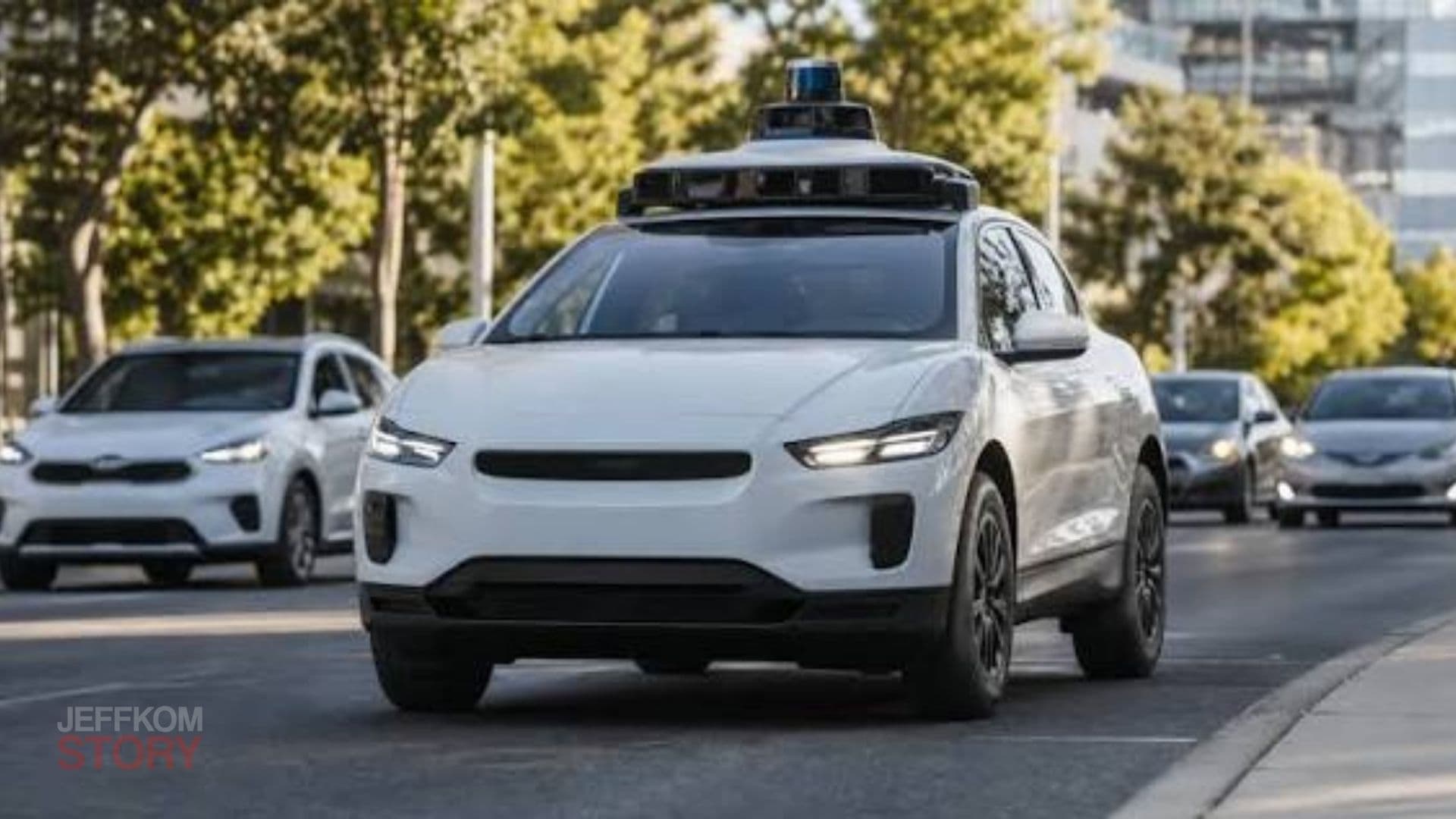
In a groundbreaking Supreme Court Rules, California’s highest court deemed that Uber, Lyft, and DoorDash drivers maintain their status as independent contractors. They decided unanimously to confirm Proposition 22, a choice by state voters in 2020. This comes as a big victory for the gig economy and similar companies.
Background: The Legal Battle
For years, California has been wrestling with how app-based firms categorize drivers. In 2020, the public said ‘yes’ to Proposition 22. This permitted the firms to keep treating drivers as freelancers. This reversal came after a court had found these companies to be too commanding in setting drivers’ work terms to label them as freelancers.
Proposition 22’s fight cost companies – Uber, Lyft, Postmates, Instacart, and DoorDash about a hefty $200 million. This broke the state’s record for campaign spending.
Arguments on Both Sides
Here’s what driver advocates think:
They think drivers should be treated like full-time employees. This means getting benefits like healthcare, time off when they’re sick, and workers’ protection. They say that because drivers are managed by apps and algorithms, they should also get employee rights.
Now for the companies:
They see gig work as something new and flexible. They worry that labeling drivers as employees would change their business strategies a lot. In 2020, an analysis predicted that if drivers in California were treated as employees, Uber and Lyft could face nearly $800 million in additional costs per year for taxes and benefits.
Proposition 22 Requirements
Proposition 22 requires apps to give drivers a minimum pay when they carry passengers. It also provides health care benefits for drivers who work a certain number of hours every month.
Reactions to the Ruling
In L.A., part-time driver and Rideshare Drivers United President, Nicole Moore, shared her disappointment about the verdict. She urged politicians to create new ways for securing and fairly paying drivers.
Uber and Lyft, however, were happy with it. Uber said the verdict kills attempts to push drivers into an unwanted work model. Lyft stressed preserving driver independence and earning options. Stephanie Whitfield, a driver from Coachella Valley, was thankful, emphasizing the necessity of job flexibility.
Impacts on a Broader Scale
While focused on California, this verdict can shift views in other places. Minnesota and Colorado made laws recently to up the pay for app-based drivers. But, they left the contractor versus employee issue unsettled. The Biden team is also looking at mislabeling workers in the gig economy and wants new labor rules. App companies though claim these rules won’t hit them.
Wrapping up
The final say-so by the California Supreme Court Rules to see app-based drivers as only independent contractors is a big win for gig-economy companies. As these talks keep going, in California and across the U.S., the ruling could set the stage for upcoming chats about how gig work and workers’ rights are changing.