Apple has spent the fall rolling out roughly a dozen new products, including the iPhone Duo foldable, a PROLED MacBook Pro and the HomeView. Many have been hard to find in stock, yet high prices and some early issues have convinced plenty of customers to hold on to the hardware they already own.
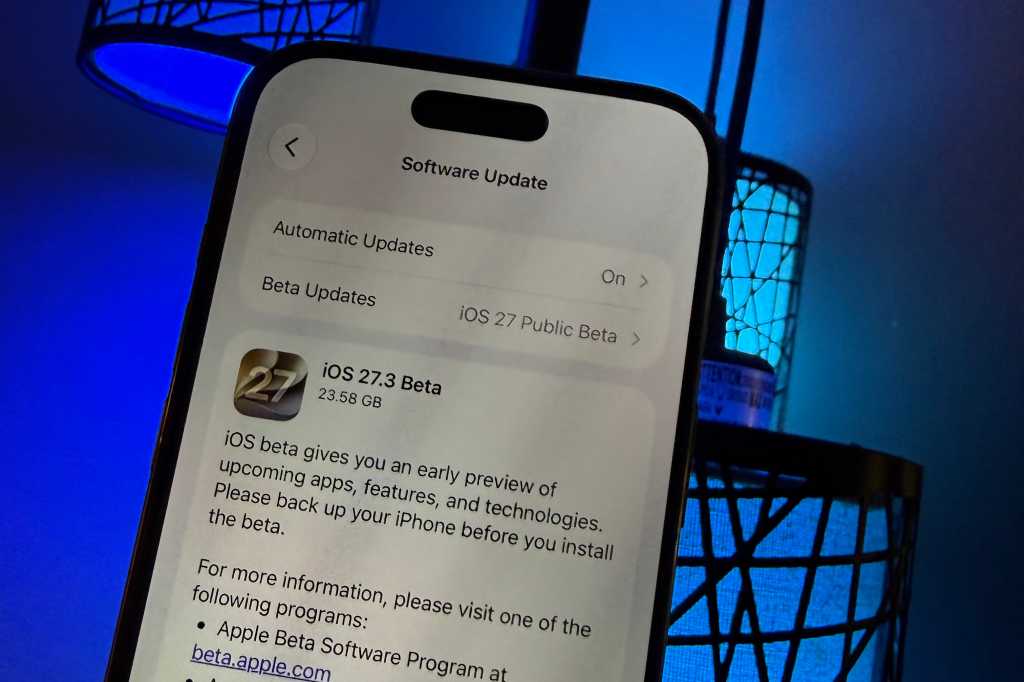
For those holdouts, the next round of software may be the more meaningful upgrade. iOS 27.3, along with matching releases for iPadOS, macOS and watchOS, brings a wide set of features to existing iPhones, iPads, Macs and Apple Watches, according to a report by Macworld.
The updates are currently in developer and public beta, with final versions expected to arrive around mid-December.
Safari Gets an Adaptive Dark Mode
Apple introduced system-wide dark mode with iOS 13 seven years ago, but many websites still display only in a bright, light theme. That mismatch can be uncomfortable for people browsing late at night.
Safari in the 27.3 releases for iPhone, iPad and Mac adds an Adaptive Dark Mode toggle. When switched on, it automatically recolors backgrounds, text and other page elements on bright sites so they appear dark. The setting is optional, and individual websites can be excluded.
The feature could replace some dedicated Safari extensions, though it offers no customization. Power users who want finer control are likely to keep using third-party tools.
Features First Seen on New Hardware Spread Wider
Several additions originally tied to this fall's new devices are moving to older ones. Vertical tabs in Safari, which stack open tabs along the side of the screen, arrive on the iPhone Duo, and iPadOS and macOS 27.3 bring the same layout to existing iPads and Macs.
On the Mac, the colorful waveform shown in the Now Playing Live Activity on the touchscreen MacBook Pro now comes to all other Macs. The Dynamic Island itself stays exclusive to Apple's high-end model.
Regular iPhones also gain some of the redesigned StandBy customizations introduced with the iPhone Duo, including more advanced color and layout options similar to Apple Watch faces. Unlike on the foldable, standard iPhones still need to be charging for StandBy to work, and users can tap and hold the screen to add, edit or remove a custom look.
For iPhone Duo owners, the second beta adds the ability to unlock the phone with the front camera while it is closed, provided Touch ID has been used within the previous 45 minutes.
New Perks for Fitness+ and Apple Music Subscribers
Apple Fitness+ adds a Gym Strength feature in watchOS 27.3 that builds a custom workout plan based on a user's available equipment, schedule and readiness. Subscribers follow a chosen trainer and can adjust load and rep counts if the defaults do not fit their level. The paired iPhone or iPad must also be running the 27.3 beta.
Apple Music gains a Selfie Sing button that appears when viewing lyrics for compatible songs. It lets users record a short video of themselves with the track title, cover art and real-time lyrics overlaid, building on the existing karaoke feature.
The supported song catalog appears limited for now, so Apple has gathered some eligible tracks into a dedicated playlist.
Siri Takes On More Complex Tasks
The most strategically significant change may be the expansion of Siri AI's agentic capabilities. The assistant can now carry out complex in-app tasks through voice or text commands in most of Apple's built-in apps, including Mail, Messages, Calendar, Safari, Files and Reminders.
Examples include managing Safari tabs, organizing files and scheduling iMessages. Users unsure where to begin can open an app and ask Siri what it is able to do there.
Third-party developers can bring similar capabilities to their own apps through the App Intents framework. New Siri AI skills also let developers teach the assistant to combine several actions into a single request, which should make hands-free app control simpler.
A Redesigned Health App Returns
iOS 27.3 beta also brings back an overhauled Health app that Apple briefly tested during the iOS 27.2 beta cycle. The new design presents health and fitness data more visually and adds fresh insights such as Health Age and AI-powered tips.
Its reappearance suggests Apple is moving closer to shipping the redesign broadly, though the company has already pulled it once before.
What the Update Signals for Users and Developers
Those eager to try the features now can join Apple's developer or public beta programs, though prerelease software carries real risks, including the possibility of data loss or an unusable device. Most people will be better served waiting for the final release expected in mid-December.
More broadly, the update shows Apple using software to extend the value of existing hardware during a heavy product cycle. For developers, the expanded App Intents and Siri AI skills tools are the clearest takeaway, signaling that voice-driven, multi-step app control is becoming a core part of the platform.
Source: Macworld