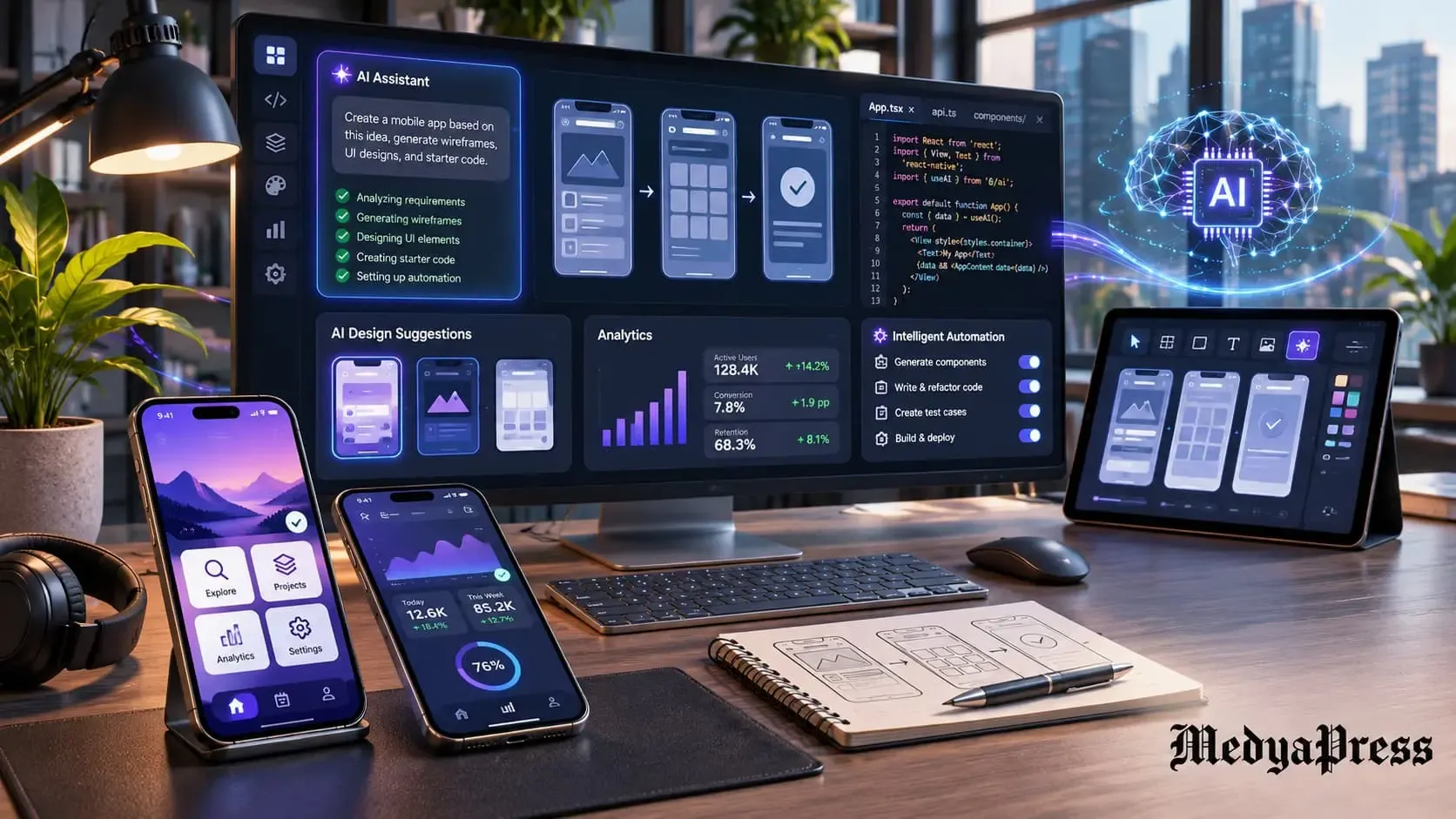
The tools used to build iPhone and Android apps are changing quickly. Apple, Google and the team behind the Flutter framework have each expanded the AI assistance built into their development environments, giving software teams help with everything from drafting code to tracking down crashes.
According to a report by Medya Press, the shift is moving AI from a side tool into the core of how mobile apps get made. The catch is that a quickly generated prototype is still a long way from a product that is safe and dependable enough to release.
Apple Brings Coding Intelligence Into Xcode
Apple has added AI-assisted workflows to Xcode, the environment developers use to create software for the iPhone and other Apple platforms. The company's documentation describes coding intelligence features that can draw on the context of a project.
In supported agent workflows, these tools can also tap into Xcode's own capabilities to build and test apps. Apple showcased coding assistance during its Xcode 26 developer presentation, demonstrating how plain-language requests can support work in Swift.
Features like these can help developers find their way around unfamiliar codebases or get a first version of a feature on the page. Whatever the assistant produces, though, still needs to be checked on real supported devices.
Google Opens Android Studio to Multiple Agents
Google is taking a comparable path with Gemini in Android Studio. The company says the assistant can help with Jetpack Compose interfaces, resolve Gradle build errors and investigate crashes using the platform's development tools.
In September 2026, Google went a step further by letting developers pick from a range of supported AI agents instead of relying on a single built-in workflow. The move signals that assistants are becoming part of the development environment itself rather than living in a separate chat window.
Even so, an agent proposing several connected code changes still depends on clear instructions, sensible access limits and careful review. The real test is whether a change fixes the intended problem without causing new ones elsewhere.
Flutter Adds AI Plugins for Cross-Platform Teams
For companies that want to reach both iOS and Android users from a single codebase, Flutter remains a popular choice. Its 3.50 release introduced official AI agent plugins and reusable skills designed for developer workflows.
Flutter also publishes resources for teams building generative AI features into their own apps. Cross-platform development can cut down on duplicated work, but each operating system still needs its own testing, since notifications, permissions, accessibility, battery use and design conventions can behave differently.
Faster Prototypes, Same Real-World Costs
The biggest immediate benefit is speed. Smaller teams can turn an idea into a working prototype sooner, which matters for startups building booking platforms, online stores, learning apps or subscription products.
A prototype can obscure the expenses that arrive after launch, however. Cloud hosting, app store compliance, ongoing maintenance, customer support, analytics and security patches all add up, and early demos should lead to testing with real users rather than be treated as a finished business.
Security and Accessibility Still Need Human Judgment
AI-generated code can bring in the wrong dependencies, create unexpected data flows, store information insecurely or contain bugs that only appear on certain devices. It can also look convincing while misreading what was actually required.
Sensitive areas such as payments, personal data, account recovery, offline behavior and device permissions demand careful handling. A responsible release process combines code review, automated and manual testing, permission checks and monitoring once the app is live.
Accessibility deserves the same attention. A polished screen may be hard to use with a screen reader or on a smaller phone, so designers are encouraged to test realistic tasks instead of relying on previews or screenshots.
What the Shift Means for App Builders
With Apple, Google and Flutter all moving toward more integrated AI help, more teams will be able to experiment with mobile products at lower cost. That widens the field for founders who previously lacked the engineering resources to try an idea.
It also raises the bar. As prototypes become easier to produce, the advantage is likely to go to teams that turn faster development into apps that are useful, secure and reliable, not simply to those that generate the most code.
Source: Medya Press