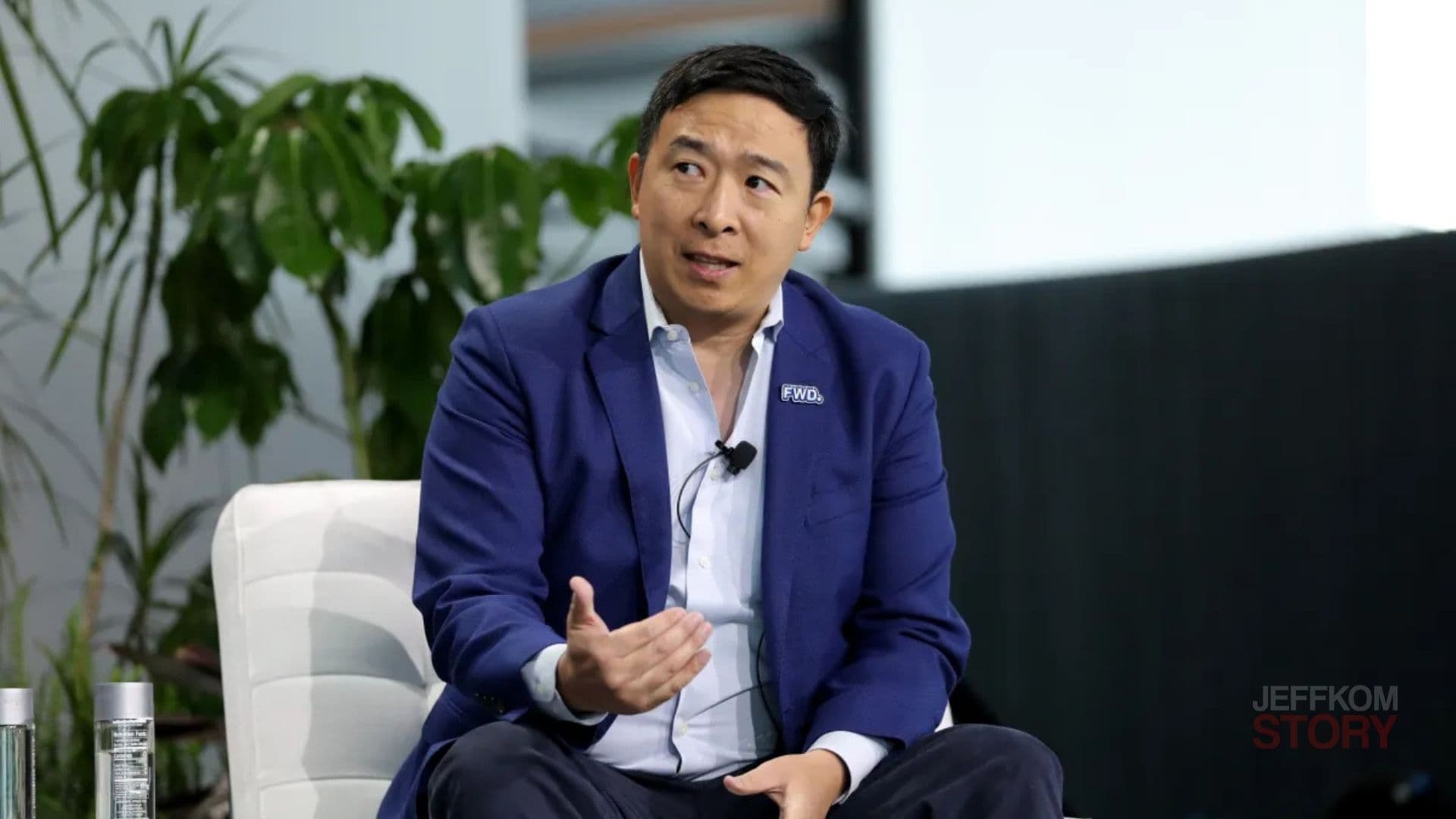
The startup world has long focused on disruption, growth, and maximizing profits. But entrepreneur and former presidential candidate Andrew Yang believes the next generation of successful startups will be built around a different mission: making life more affordable.
As artificial intelligence continues transforming industries and reshaping jobs, Yang sees a massive opportunity for founders to create businesses that help people reduce their everyday expenses rather than increase them.
A New Startup Model: Giving Money Back to Consumers
During a recent conversation with TechCrunch, Andrew Yang shared an idea that challenges traditional business thinking.
Instead of asking, “How can we maximize customer spending?”, founders should ask:
“How can we lower the cost of living for millions of people?”
Yang was inspired by entrepreneur Mark Cuban’s Cost Plus Drugs, a company that sells prescription medications at significantly lower prices by removing unnecessary markups.
This inspired Yang to identify other industries where consumers spend a large portion of their income, including:
- Housing
- Education
- Food
- Fuel
- Transportation
- Media
- Wireless services
His belief is simple: businesses that help people save money can become highly valuable companies.
Noble Mobile: Yang’s Affordable Wireless Startup
To put his theory into practice, Yang launched Noble Mobile in September.
The company operates as a mobile virtual network operator (MVNO) that offers lower-cost phone plans compared to traditional carriers.
What makes Noble Mobile different is its customer-first approach.
Subscribers can receive money back if they use less mobile data, creating an incentive to save rather than overspend.
According to Yang, the company has already grown to thousands of customers and generates millions in revenue.
The business model focuses on long-term customer loyalty instead of maximizing short-term profits.
AI Is Changing the Economy Faster Than Ever
Artificial intelligence is creating enormous economic value.
However, Yang believes much of that value is becoming concentrated among a small number of companies.
As AI automates tasks and potentially replaces certain jobs, millions of people may begin asking a critical question:
How will they afford their basic needs?
This challenge creates an entirely new startup opportunity.
Businesses that help people save money on necessities could become essential parts of everyday life.
Instead of competing to sell more products, founders can build companies that improve financial stability for consumers.
Why Lowering the Cost of Living Is a Huge Market Opportunity
Consumers worldwide are facing increasing financial pressure due to:
- Rising housing costs
- Higher education expenses
- Increasing grocery prices
- Transportation costs
- Expensive subscription services
Companies that solve these problems can create tremendous value.
Some examples already exist:
- Affordable healthcare platforms
- Discount grocery marketplaces
- Simple technology products
- Budget-friendly wireless services
These businesses succeed because they directly address real consumer pain points.
The Investment Challenge
Despite the opportunity, Yang acknowledges that attracting investors remains difficult.
Currently, much of venture capital is heavily focused on artificial intelligence companies.
Consumer-focused startups with lower profit margins and strong social missions often struggle to secure funding.
Yang even shared that one investor told him:
“If you could just make this an AI company, we’ll invest.”
This highlights a major trend in today’s startup ecosystem.
Many investors prioritize AI-driven growth, while companies focused on affordability may initially receive less attention.
However, this could eventually change.
Healthy economies require consumers with spending power.
If people cannot afford essential goods and services, even the largest companies may eventually feel the impact.
A Different Vision for Startup Founders
Yang encourages entrepreneurs to move beyond industry trends and focus on solving meaningful problems.
Rather than following groupthink, founders should identify challenges that directly affect people’s daily lives.
Building businesses around affordability can create both social impact and sustainable growth.
The next billion-dollar startup may not be another entertainment platform or AI tool.
It could simply be a company that helps millions of people save money every month.
The Future of Consumer-First Startups
The startup landscape is evolving.
As AI reshapes the economy, businesses that prioritize affordability, accessibility, and long-term customer value may become increasingly important.
Entrepreneurs who focus on lowering the cost of living could unlock enormous opportunities while creating positive change for society.
Andrew Yang’s vision represents a shift from extraction to empowerment.
Instead of asking consumers to spend more, tomorrow’s most successful startups may be the ones that help them spend less.
Conclusion
The future of entrepreneurship may no longer be defined solely by technology innovation but by financial relief.
As economic uncertainty grows and AI transforms industries, startups that help people save money could become the next major business category.
For founders, investors, and entrepreneurs, this is a reminder that some of the biggest opportunities lie in solving everyday problems that impact millions of lives.