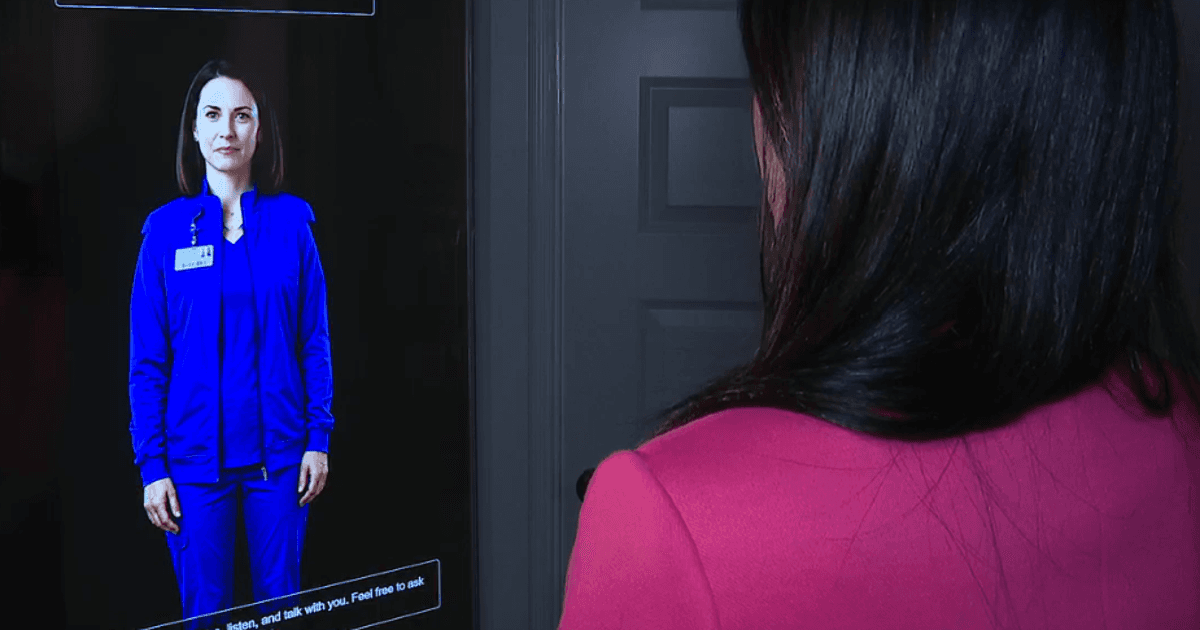
A Texas company that first built hologram systems for astronauts is now putting life-sized, AI-powered virtual assistants in front of travelers and hospital visitors in Houston.
AEXA Aerospace, based in the Clear Lake area, has installed one of its holographic agents at George Bush Intercontinental Airport and has begun deploying the technology across medical facilities, according to a report by FOX 26 Houston. The company says these sites are only the starting point for a platform it hopes to bring to a wide range of public venues.
From the Space Station to the Terminal Floor
AEXA Aerospace originally developed its hologram technology for use by astronauts aboard the International Space Station. The company is now adapting that work into realistic virtual agents designed to help people find their way through crowded, complex buildings.
The commercial platform is called HoloConnect AI. It combines a life-sized holographic figure with conversational artificial intelligence, allowing visitors to speak with what looks like a person rather than typing into a screen or talking to a disembodied voice assistant.
A Multilingual Guide at Bush Intercontinental
One of the units is already in service in Terminal E at George Bush Intercontinental Airport. It went live in June, aimed at helping international travelers arriving for the World Cup locate their flights and baggage.
The assistant is built to communicate in dozens of languages, a practical feature in an international terminal where many passengers may not speak English fluently.
Fernando De La Peña, CEO and president of AEXA Aerospace, framed the product as an alternative to familiar voice assistants and text chatbots. "We believe the future of AI is presence," he told FOX 26, arguing that people should be able to converse with AI much as they would with another person.
Helping Patients Navigate Large Medical Campuses
Healthcare is the company's other early focus. AEXA is rolling out virtual agents that can help patients check in and guide families through sprawling medical complexes.
The technology has already launched in the Texas Medical Center, one of the largest medical districts in the world. AEXA plans to bring its holograms to MD Anderson Cancer Center next year.
A Local Partner to Reach the Private Sector
To move the platform into commercial settings, AEXA has partnered with Innovati Inc., a Houston-based technology integration firm that is helping deploy the holograms across private businesses and institutions.
Alex Valadez, business development director at Innovati, said one hospital reacted to an early demonstration by pointing to staffing shortages, particularly during after-hours periods. He described the holograms as a way to cover long corridors and gaps where facilities lack employees, positioning the technology as a supplement to human workers rather than a replacement for them.
Ambitions Beyond Airports and Hospitals
AEXA says it intends to extend HoloConnect AI into sports venues, hospitality, education and entertainment. Museums are another target, where visitors could approach holographic representations of historical figures and hold what feels like a direct conversation.
The company has already tested that concept publicly. In September, AEXA staged a demonstration inside Vanderbilt Hall at New York's Grand Central Terminal in collaboration with the House of Vanderbilt and Vanderbilt & Seewald Global Studio.
During that event, Consuelo Vanderbilt Costin spoke with life-size holographic AI portrayals of figures from her own family's history, offering a preview of how the platform could be used in cultural and educational settings.
What Embodied AI Could Mean for Public Spaces
AEXA's rollout reflects a broader push to give conversational AI a physical, human-like form in places where people need quick, personal help. Airports and hospitals, which often struggle with staffing and serve visitors under stress, are natural testing grounds.
For founders and operators, the story highlights how technology developed for specialized government and space applications can find new commercial markets. Whether visitors embrace talking to holograms, and whether institutions see measurable benefits, will likely determine how quickly the approach spreads beyond Houston.
Source: FOX 26 Houston