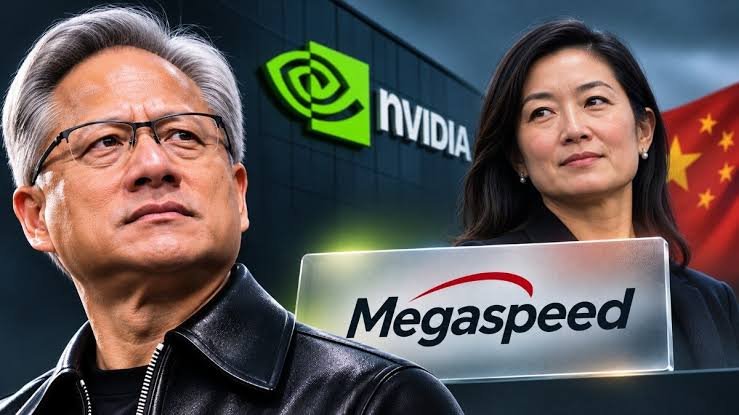
The United States has added Megaspeed, a Singapore-based chip company, to the Commerce Department's Entity List, escalating a federal investigation into whether advanced Nvidia artificial intelligence processors were diverted to customers in China.
US officials suspect the firm broke export control rules by helping deliver restricted semiconductors to Chinese buyers. The case has also become entangled with espionage allegations involving Alice Huang, Megaspeed's former controlling shareholder, according to a report by The 420.in.
What the Entity List Designation Means
Being placed on the Entity List means American companies can no longer provide goods, software or technology to Megaspeed unless they first secure a special government license. Such licenses are seldom approved.
In practice, the designation makes it much harder for Megaspeed to obtain US-made components, receive software updates or license American intellectual property. For a company whose business revolves around advanced computing hardware, those restrictions can be significant.
A Probe That Dates Back to 2024
Federal authorities have been looking into Megaspeed since 2024. The inquiry focuses on suspected violations of export controls meant to keep cutting-edge chips and AI computing technology out of Chinese hands, given concerns that such tools could strengthen China's technological and military capabilities.
The company came into wider public view in October 2025, when reports emerged that US officials were investigating whether it had helped Chinese buyers acquire restricted Nvidia AI chips. This week, the Justice and Commerce departments shared further details of the ongoing investigation.
Megaspeed Maintains It Acted Lawfully
Megaspeed has said its operations have stayed within the law. The company has also stated that Alice Huang departed in August 2025.
Despite the blacklisting and continuing federal scrutiny, Megaspeed still appears on Nvidia's official list of cloud partners. That detail highlights the awkward position chipmakers can find themselves in when a significant customer becomes the subject of an export enforcement action.
Allegations Involving Alice Huang
The case has drawn attention to reported personal ties between Alice Huang and Nvidia chief executive Jensen Huang. US media reports have claimed that Alice Huang may have had connections to Chinese intelligence services and passed information to Beijing.
Those intelligence allegations have not been independently verified, and China has rejected them as baseless. Publicly available details about how US officials reached their assessment remain limited.
On November 8, Jensen Huang released a statement acknowledging an extramarital affair, without identifying the other person involved. The personal controversy has been accompanied by reports of leadership changes at Nvidia.
First Major Blacklisting Since October 2025
The Megaspeed designation is the first significant addition to the Entity List since October 2025. The administration had previously prepared to add a number of Chinese companies, including AI startup DeepSeek, memory chipmaker CXMT and more than 100 other entities viewed as national security risks.
Those moves were put on hold to avoid inflaming trade and technology tensions with Beijing. Targeting a Singapore-based firm suggests Washington is still willing to enforce its chip controls while weighing diplomatic and commercial factors in how broadly it acts.
What It Signals for the AI Hardware Supply Chain
Investigators are now working to establish the full extent of any chip transfers through Megaspeed and whether other commercial or technical networks were involved. The outcome could shape how closely regulators scrutinize resellers and cloud providers operating in third countries.
For AI startups and infrastructure companies, the case is a reminder that access to advanced GPUs depends not only on supply and price but also on compliance. Firms that buy, resell or rent high-end computing capacity across borders may face growing pressure to document exactly where their hardware ends up.
Source: The 420.in