- By JeffkomStory Team
- Published on
Meta’s $2B Manus Acquisition Sparks Regulatory Divide Between Washington and Beijing
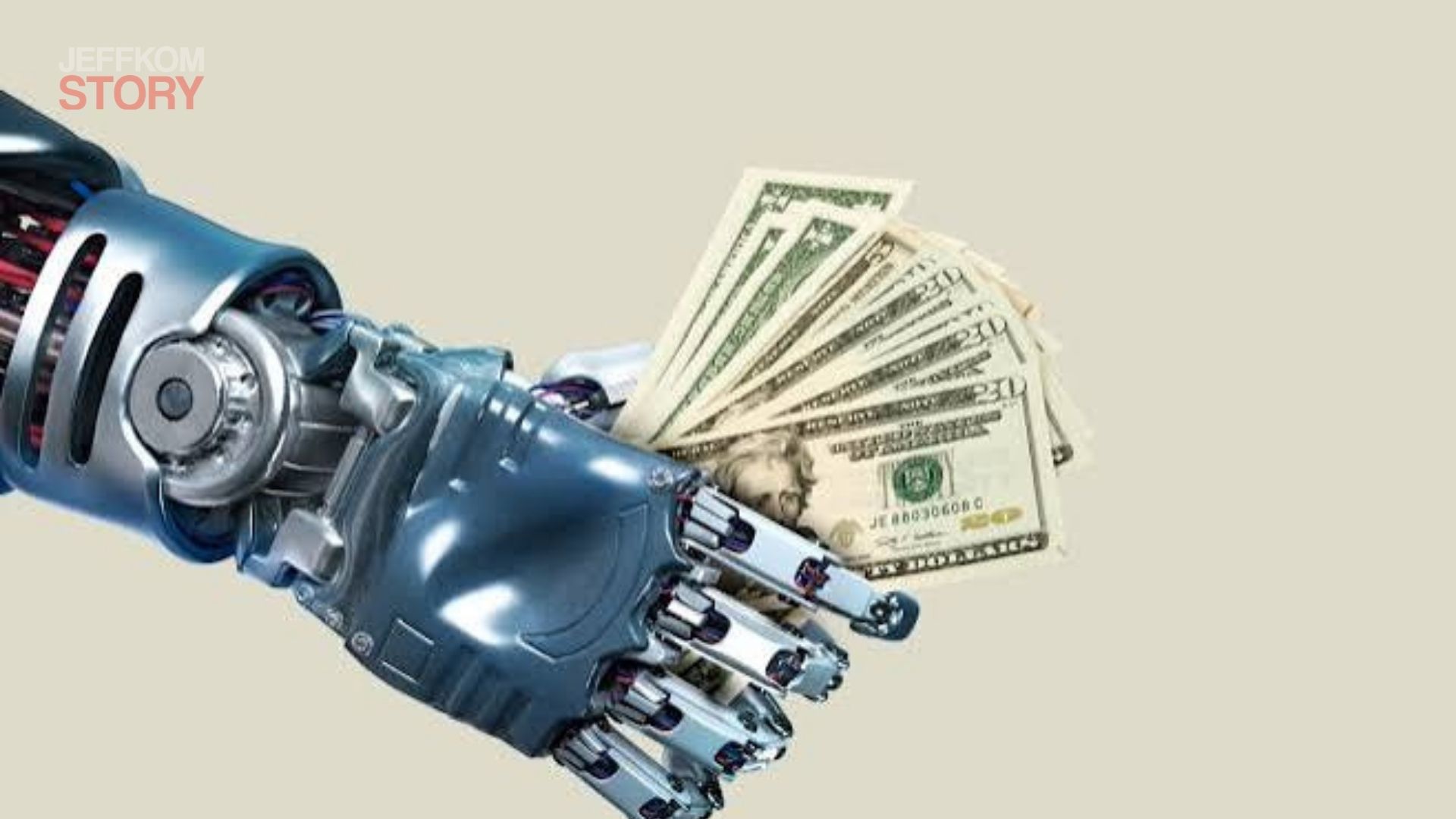
Meta’s $2 billion acquisition of AI assistant platform Manus has quickly turned into a geopolitical case study, highlighting how differently Washington and Beijing are approaching global AI deals. While U.S. regulators appear largely comfortable with the transaction, Chinese authorities are signaling potential resistance adding new uncertainty to one of the most talked-about AI acquisitions of the year.
A Deal Welcomed in Washington, Watched in Beijing
From a U.S. perspective, Meta’s acquisition of Manus does not currently raise major red flags. Earlier concerns had surfaced when venture firm Benchmark invested in Manus, prompting scrutiny from U.S. Senator John Cornyn and inquiries from the U.S. Treasury Department. Those questions centered on whether American capital was indirectly supporting sensitive Chinese AI development under newly proposed investment restriction rules.
However, those concerns appear to have eased. U.S. regulators now seem satisfied that Manus operates legitimately outside China, especially after the company relocated its headquarters and core operations from Beijing to Singapore.
Manus’s Strategic Exit From China
Manus’s move from Beijing to Singapore was not accidental. Following Benchmark’s investment, regulatory pressure and political scrutiny accelerated what one Chinese academic described as the company’s “step-by-step disentanglement from China.” This type of relocation has become increasingly common among Chinese tech startups and is informally referred to as “Singapore washing” shifting headquarters to avoid domestic oversight while maintaining global operations.
At the time, many analysts believed this move effectively insulated the Meta deal from Chinese regulatory influence. But that assumption may have been premature.
China Considers Export Control Violations
According to reports cited by the Financial Times, Chinese regulators are now examining whether Manus violated China’s technology export control laws when it relocated key personnel and intellectual property to Singapore. Manus transferred sensitive AI technology and talent overseas without an export license.
Getting caught exporting restricted technology without authorization could be serious for Chinese authorities. A Chinese professor warned on WeChat that Manus’s founders could even face criminal liability under existing export control laws.
This approach would not be unprecedented. During former President Donald Trump’s attempted TikTok ban, China leveraged similar export control mechanisms to assert influence over ByteDance’s algorithms and international operations.
A Test Case for Chinese AI Startups
Beyond Manus itself, Beijing’s concern runs deeper. Officials reportedly worry that allowing this deal to proceed smoothly could encourage more Chinese AI startups to relocate overseas to bypass domestic regulations.
Winston Ma, a professor at NYU School of Law and partner at Dragon Capital, told The Wall Street Journal that a successful Meta-Manus deal would “create a new path for the young AI startups in China.” In other words, Manus could become a blueprint for AI founders seeking global capital while escaping tighter controls at home.
U.S. Analysts See a Strategic Win
On the other side of the Pacific, some U.S. analysts are framing the acquisition as evidence that American AI ecosystems are winning the global talent race. One expert told the Financial Times that the deal demonstrates how “the US AI ecosystem is currently more attractive,” especially for founders facing increasing constraints in China.
From this perspective, Meta’s acquisition supports Washington’s broader strategy of limiting China’s AI growth while absorbing top-tier talent and technology into U.S.-aligned companies.
What This Means for Meta
For Meta, the regulatory uncertainty adds complexity to its plans. The company aims to integrate Manus’s AI agent software into its product ecosystem, strengthening its position in conversational AI and intelligent assistants. However, any intervention from Chinese regulators could delay approvals, restrict technology transfers, or even jeopardize parts of the acquisition.
At $2 billion, this deal is not just a financial bet it’s a strategic move in the global AI arms race.
A Deal Bigger Than Tech
The Meta–Manus acquisition underscores a broader reality: AI is no longer just about innovation it’s about geopolitics. As governments tighten control over data, talent, and algorithms, cross-border tech deals are increasingly subject to national security calculations.
What initially looked like a straightforward acquisition has evolved into a test of regulatory power, export controls, and global influence. Whether Beijing ultimately intervenes or allows the deal to proceed, one thing is clear: future AI acquisitions will face even closer scrutiny on both sides of the world.
For Meta, Manus, and the global AI industry, this deal may be remembered not just for its price tag, but for what it reveals about the shifting balance of power in artificial intelligence.
Here are some related articles you may find interesting:
Lucra Raises $20M Without the AI Hype: A Startup Success Story Worth Watching
In today’s startup ecosystem, adding “AI” to a pitch deck often feels like a requirement for attracting...
Patina Startup Is Reinventing the Fragrance Industry With AI-Powered Scent Technology
The fragrance industry has remained largely unchanged for decades. Traditional perfume and scent creation...
Waymo Expands Robotaxi Service Pause Amid Flooding and Safety Concerns
Waymo has expanded its robotaxi service pause to four major U.S. cities after several self-driving vehicles...
Quartermaster Raises $43M to Build a “Hive Mind” for Ships
Oceans are vast, and tracking activity on them has always been a challenge for governments, shipping...
How Google’s New AI Agents Are Transforming Search in 2026
Google is redefining the future of online search with the launch of its new AI agents, announced during...
Why Trust Is Becoming the Biggest Question in the Elon Musk vs OpenAI Trial
The ongoing legal battle between Elon Musk and Sam Altman has become more than just a courtroom dispute....
Malware Data Archives Are Bigger Than You Think: Comparing Cyber Threat Databases to the Eiffel Tower
The world of cybersecurity is growing faster than ever, and so are the massive databases used to track...
Parker Startup Files for Bankruptcy: What Went Wrong for the Fintech Company?
The fintech startup world continues to face major challenges in 2026, and one of the latest names making...
Tesla Model Y Becomes First Vehicle to Meet New US Driver Assistance Safety Benchmark
The 2026 Tesla Model Y has achieved a major milestone in automotive safety by becoming the first vehicle...
Nuro Secures Driverless Permit for Lucid Robotaxis Ahead of Uber’s 2026 Launch
The race toward fully autonomous transportation is accelerating. Nuro has taken a major step forward...
Popular Posts
Lucra Raises $20M Without the AI Hype: A Startup Success Story Worth Watching
JeffkomStory Team
In today’s startup ecosystem, adding

Patina Startup Is Reinventing the Fragrance Industry With AI-Powered Scent Technology
JeffkomStory Team
The fragrance industry has remained

Waymo Expands Robotaxi Service Pause Amid Flooding and Safety Concerns
JeffkomStory Team
Waymo has expanded its robotaxi

Quartermaster Raises $43M to Build a “Hive Mind” for Ships
JeffkomStory Team
Oceans are vast, and tracking
Join Our Newsletter
Start your day with impactful startup stories and concise news! All delivered in a quick five-minute read in your inbox.