- By JeffkomStory Team
- Published on
Why Waymo Robotaxis Got Stuck During the San Francisco Blackout
San Francisco’s massive weekend blackout didn’t just shut off lights.
It exposed a major challenge for autonomous vehicles.
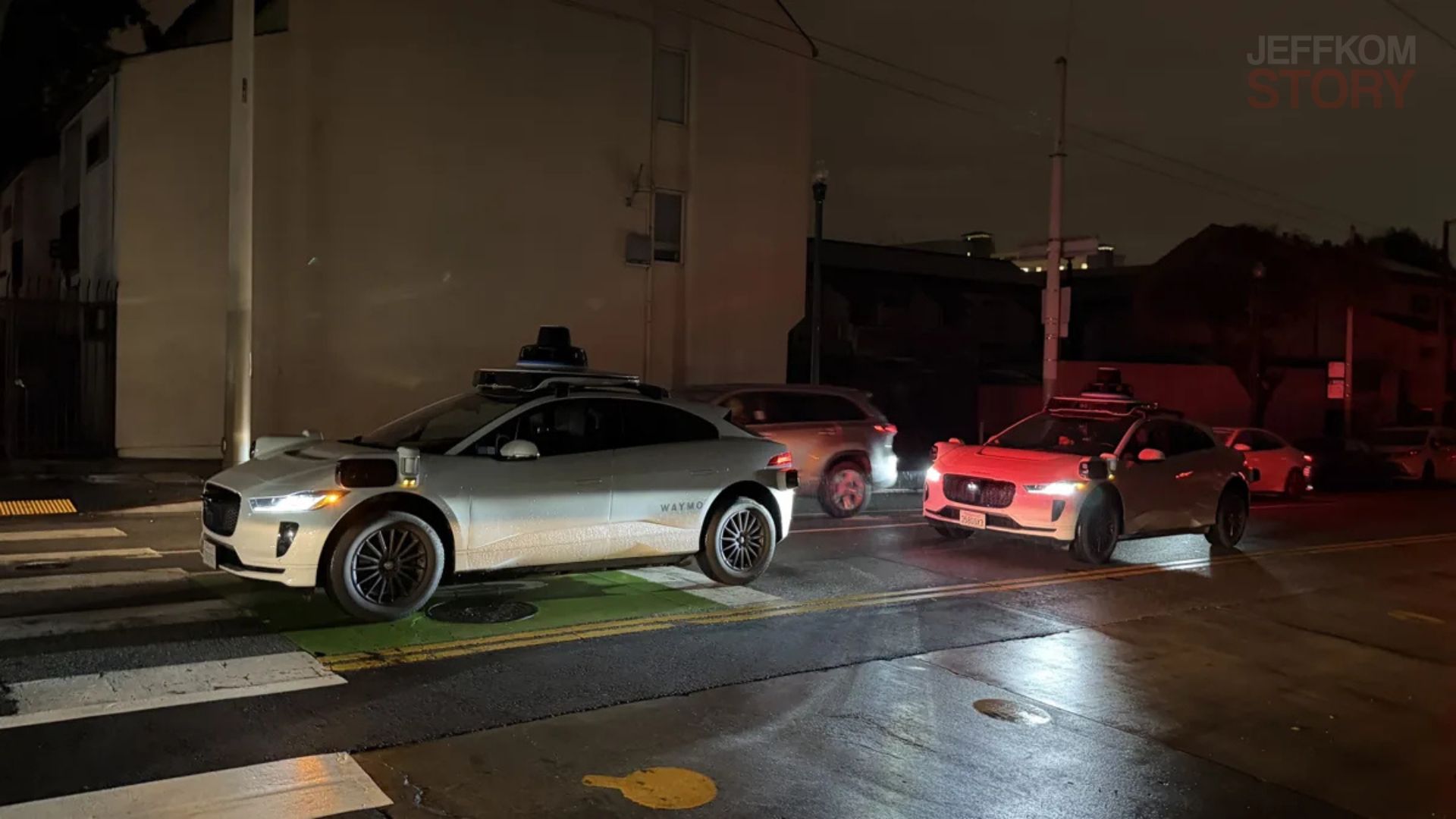
During the citywide power outage, dozens of Waymo robotaxis were seen stalled at intersections, adding to traffic chaos and sparking public concern. Now, Waymo has explained what went wrong — and what it’s changing.
What Caused the Blackout?
A fire at a PG&E substation knocked out electricity across nearly one-third of San Francisco.
Hundreds of traffic signals went dark.
Police were deployed to manually control intersections.
Amid the disruption, Waymo’s driverless cars became one of the most visible signs of the breakdown.
How Waymo Robotaxis Are Designed to Handle Dark Signals
Waymo says its self-driving system treats disabled traffic lights as four-way stops, exactly how human drivers are supposed to respond.
In theory, this should have allowed robotaxis to move safely through intersections even without power.
And in many cases, they did.
Waymo vehicles successfully navigated more than 7,000 dark traffic signals during the outage.
So Why Did Some Robotaxis Get Stuck?
The issue wasn’t the rules — it was the scale.
When a Waymo vehicle encounters an unusual or uncertain situation, it can request a remote “confirmation check” from Waymo’s fleet response team. This system was built as a safety measure during early deployment.
But during Saturday’s blackout, hundreds of intersections went dark at once.
That caused a concentrated spike in confirmation requests.
The system became overwhelmed.
Responses slowed.
Vehicles paused — and congestion followed.
Waymo’s Immediate Response
As the situation worsened, Waymo temporarily suspended service and directed vehicles to pull over and park. Cars were later returned to depots in stages.
San Francisco Mayor Daniel Lurie confirmed he personally contacted Waymo leadership.
“We need them to be more proactive,” he said during a press briefing.
What Changes Is Waymo Making Now?
Waymo says it’s already rolling out fleet-wide software updates that will help its robotaxis respond more decisively during large-scale outages.
Key improvements include:
-
More regional outage context built into the self-driving software
-
Reduced reliance on confirmation checks during known power failures
-
Updated emergency response protocols
-
Better coordination with city officials and first responders
Waymo also highlighted its ongoing training efforts, noting that over 25,000 first responders worldwide have already been trained to interact with its vehicles.
Why This Matters for the Future of Autonomous Vehicles
This incident shows that autonomous driving isn’t just about normal conditions.
It’s about edge cases:
-
Citywide blackouts
-
Natural disasters
-
Infrastructure failures
Waymo’s robotaxis largely followed the rules, but the event revealed how systems designed for safety can become bottlenecks at scale.
Regulators are now reviewing the incident, and San Francisco supervisors have called for hearings on Waymo’s response.
The Bigger Picture
Waymo’s blackout struggle is another reminder that self-driving technology is still evolving.
The company has already issued past software updates related to school buses, which triggered federal investigations and recalls.
Each incident uncovers new lessons.
And how quickly companies like Waymo learn from them will shape public trust in autonomous transportation.
As Waymo put it:
“Navigating an event of this magnitude presented a unique challenge for autonomous technology.”
The real test is what comes next.
Here are some related articles you may find interesting:
Self-Driving Car Controversy in Texas: Duck Incident Sparks Debate on Autonomous Vehicles
The promise of safer roads and smarter transportation that comes with autonomous vehicles has always...
Chrome Introduces Vertical Tabs: A Smarter Way to Manage Too Many Open Tabs
Introduction
Google Chrome’s been struggling to keep up with users having dozens of tabs open for...
Delve and Y Combinator Part Ways: Inside the Startup Controversy Shaking the Compliance Industry
The compliance startup scene has been sent into a tailspin by the sudden fallout between Delve and Y...
Amazon Adds Fuel Surcharge as Iran War Disrupts Global Oil Markets
Introduction
The global economy is once again feeling the ripple effects of geopolitical conflict. The...
Uber Acquires Blacklane to Expand Luxury Travel with Uber Elite Services
Uber is making a strategic move into the premium mobility segment by acquiring Berlin-based startup Blacklane....

Shield AI Hits $12.7B Valuation After Major U.S. Air Force Deal and $1.5B Funding Round
The Defense Tech Sector is really starting to heat up and Shield AI has just made a move that’s...

AI Inference Startup Modal Labs in Talks to Raise at $2.5B Valuation
Modal Labs, an AI inference infrastructure startup, is reportedly in discussions with venture capital...

Amazon May Launch AI Content Marketplace for Media Publishers
Amazon may soon launch a new content marketplace. This platform would allow media companies to sell their...
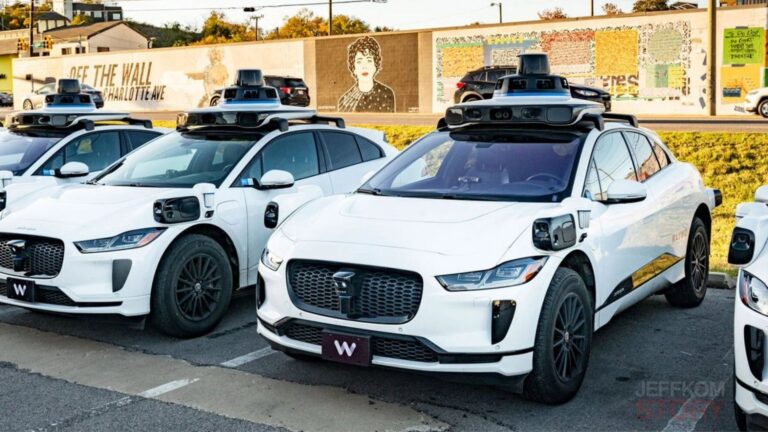
Waymo Begins Driverless Robotaxi Testing in Nashville Ahead of 2026 Launch
Waymo has officially removed human safety drivers from its autonomous test vehicles in Nashville, marking...

a16z Warns Founders: Don’t Chase Hype-Driven ARR, Build Durable Growth Instead
The AI startup boom has reignited a familiar Silicon Valley pattern: massive venture capital flowing...
Popular Posts

Self-Driving Car Controversy in Texas: Duck Incident Sparks Debate on Autonomous Vehicles
JeffkomStory Team
The promise of safer roads

Chrome Introduces Vertical Tabs: A Smarter Way to Manage Too Many Open Tabs
JeffkomStory Team
Introduction Google Chrome’s been struggling
Delve and Y Combinator Part Ways: Inside the Startup Controversy Shaking the Compliance Industry
JeffkomStory Team
The compliance startup scene has

Amazon Adds Fuel Surcharge as Iran War Disrupts Global Oil Markets
JeffkomStory Team
Introduction The global economy is
Join Our Newsletter
Start your day with impactful startup stories and concise news! All delivered in a quick five-minute read in your inbox.