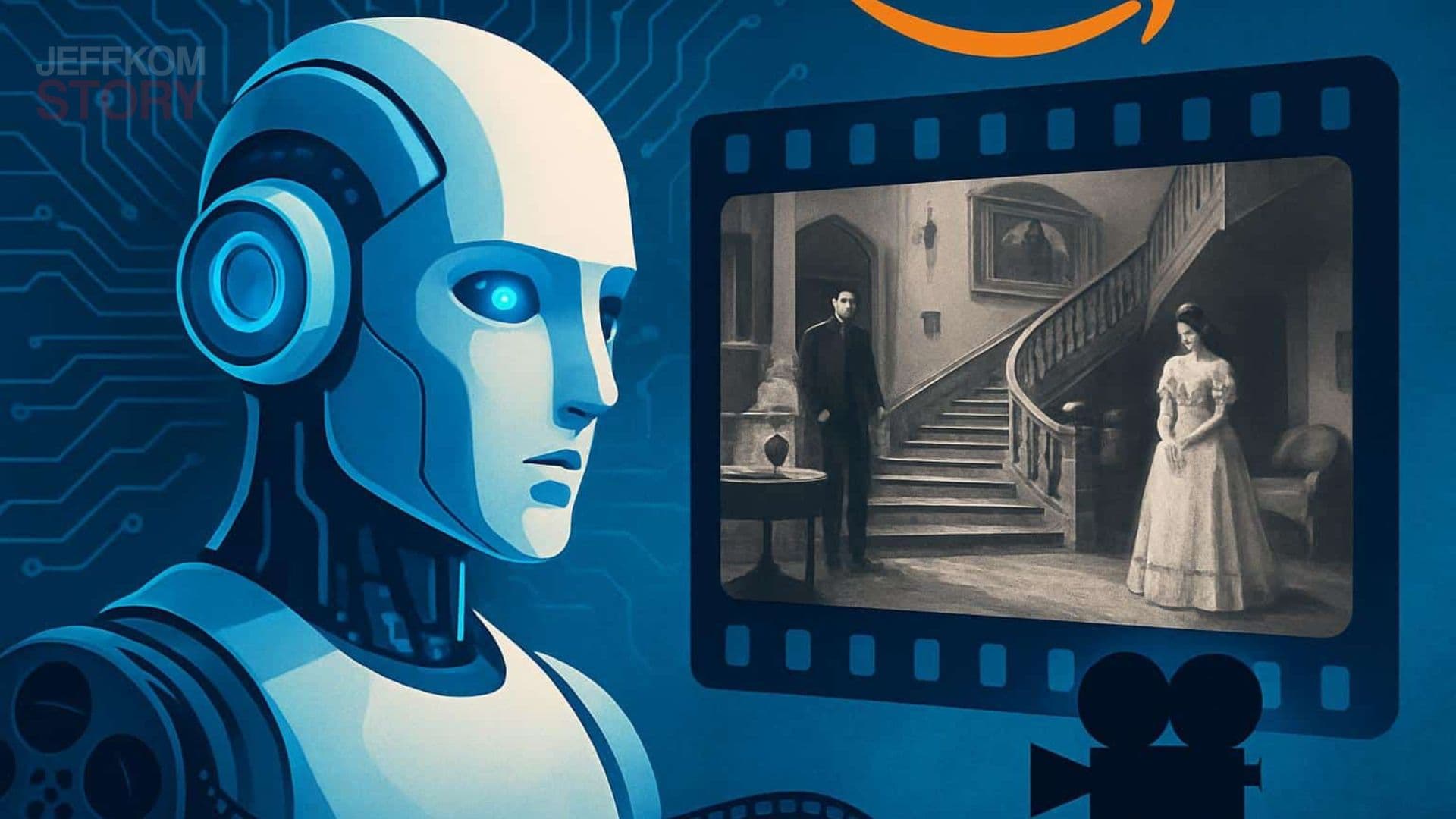
Artificial intelligence is transforming creative industries, but not always in ways we expect. Recently, Fable, an Amazon-backed AI startup often described as the “Netflix of AI,” announced plans to digitally recreate the lost 43 minutes of Orson Welles’ 1942 classic The Magnificent Ambersons.
The choice seems unusual at first glance. Why would a modern AI company focus on a film overshadowed by Welles’ Citizen Kane? The answer lies in the film’s tragic history. Studio executives cut Welles’ original vision, removing nearly an hour of footage and reshaping the ending. The lost material has fascinated cinephiles for decades, making Ambersons a legendary “what could have been” in cinema history.
Fable sees this as the perfect test for its new AI storytelling model, which aims to generate long, complex narratives. Filmmaker Brian Rose, who has spent years researching Welles’ intended cut, will lead the reconstruction effort. However, there’s a catch: Fable has not secured the film rights or the approval of Welles’ estate.
David Reeder, who manages the estate, criticized the project as “a purely mechanical exercise” lacking Welles’ creative genius. He noted the estate wasn’t even consulted, though it has experimented with AI voice models in other contexts.
The controversy highlights a growing debate in entertainment: should AI be used to resurrect lost works? While Fable frames the project as a way to honor Welles, critics argue that any reconstruction will ultimately be an imitation, not the authentic film that was destroyed.
Whether or not Fable succeeds, this story reflects a broader tension between AI innovation and artistic legacy. As startups push the boundaries of creativity, they raise difficult questions about ownership, authenticity, and the limits of technology in capturing human genius.