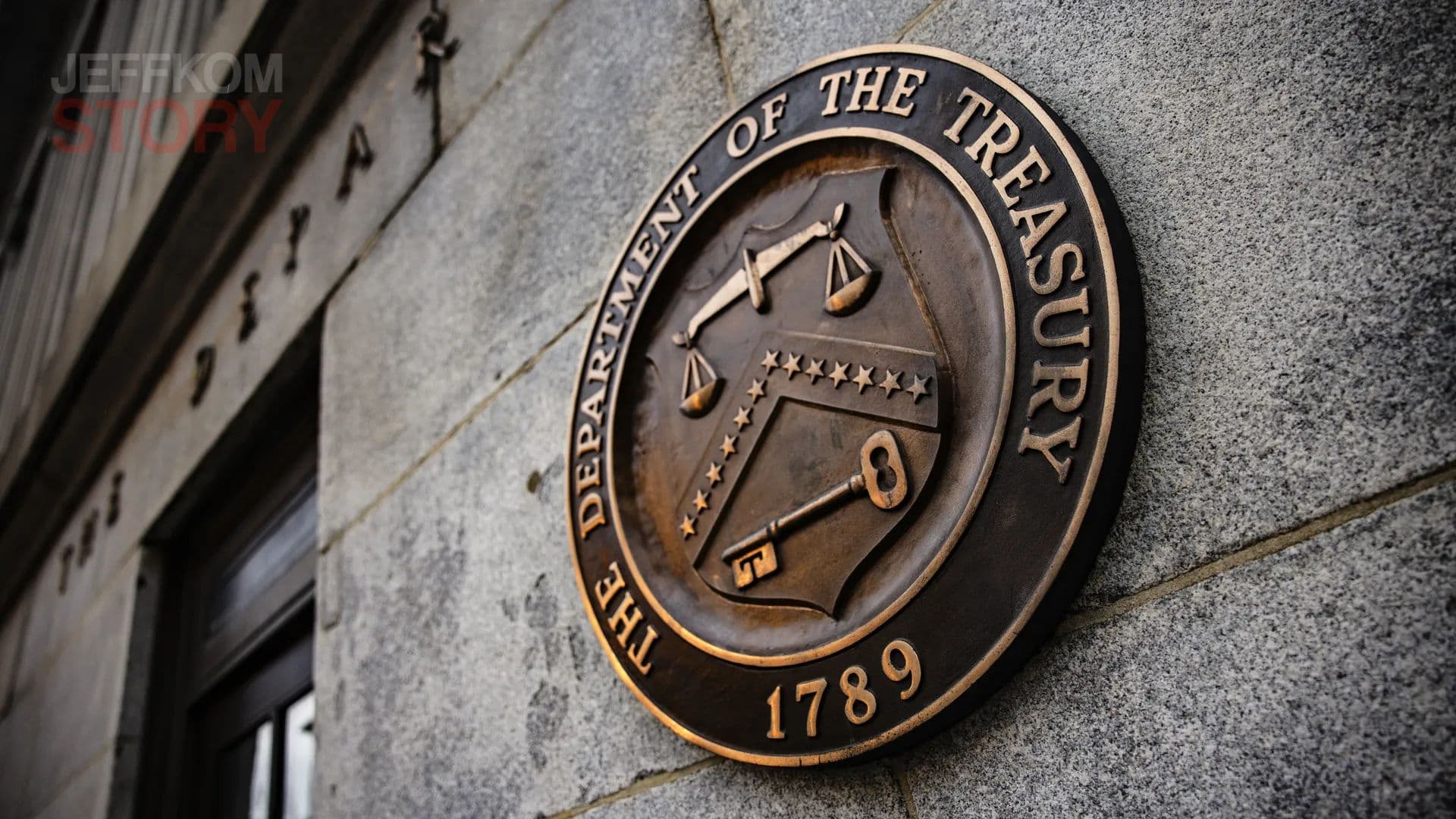
In a move that could change the landscape of US-China tech investments, the US Treasury Department is reportedly reviewing Benchmark’s investment in Manus, a Chinese affiliated AI startup that has been making waves in the AI agent space. This review is a sign of growing concerns around US restrictions on investments in Chinese tech companies.
Manus AI: A Rising Star Under Fire
Manus AI recently raised $75M at $500M valuation led by Benchmark. The startup builds agentic AI wrappers around existing large language models, rather than building its own. US government examines Cayman Islands-based firm despite its common structure for attracting foreign investment. Semafor confirmed that the Treasury Department is examining the transaction under 2023 regulations.
Benchmark’s Legal Defense: Manus Isn’t China Based or Model Building
Manus is not directly involved in building foundational AI models, which are seen as strategic by Benchmark’s legal team. Despite being based in the Cayman Islands, they claim Manus is not technically Chinese.
But many experts say this legal gymnastics doesn’t align with the broader US national security policy which is increasingly targeting indirect ties and proxy entities that serve Chinese tech interests.
Political & Industry Reaction
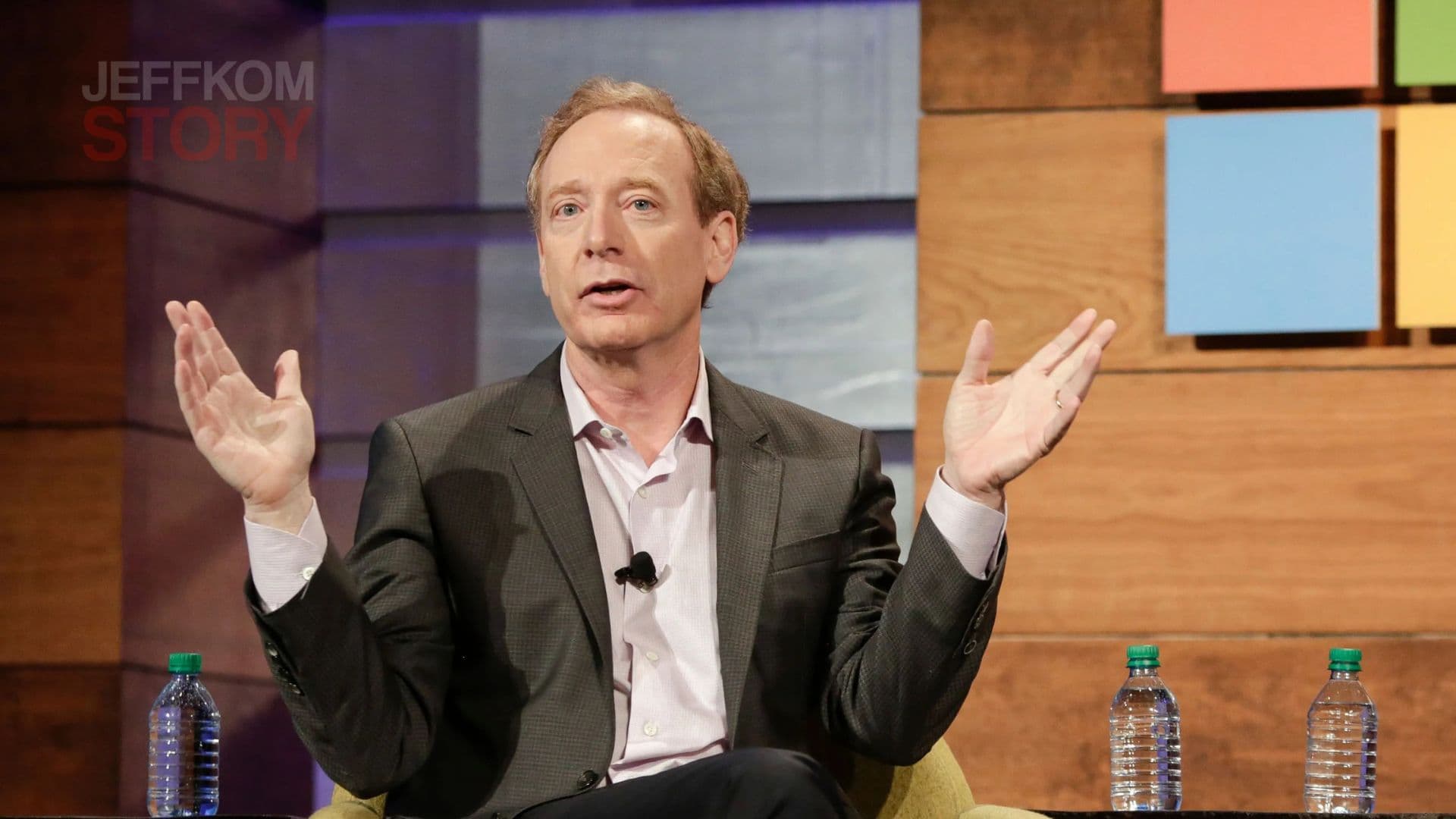
The investment has been met with criticism from the venture capital and defense communities. Founders Fund partner Delian Asparouhov tweeted “wow, actions have consequences?” a subtle jab at the growing unease in Silicon Valley around investments that could empower Chinese AI.
US Investments in Chinese Tech Under Scrutiny
This review is part of a broader US effort to monitor and limit American capital and expertise flowing into Chinese tech firms, especially those in AI, semiconductors and quantum computing. The Biden administration’s 2023 executive order called for transparency and restrictions on investments into sensitive Chinese technologies. Manus is a test case for these rules.
What’s next for Manus and Benchmark?
If the review finds Benchmark violated the rules, it could result in forced divestment or penalties. This will set a precedent for future deals with Chinese affiliated AI companies.
In an age where AI is a strategic frontier, US regulators are saying: no indirect ties to China will be ignored.