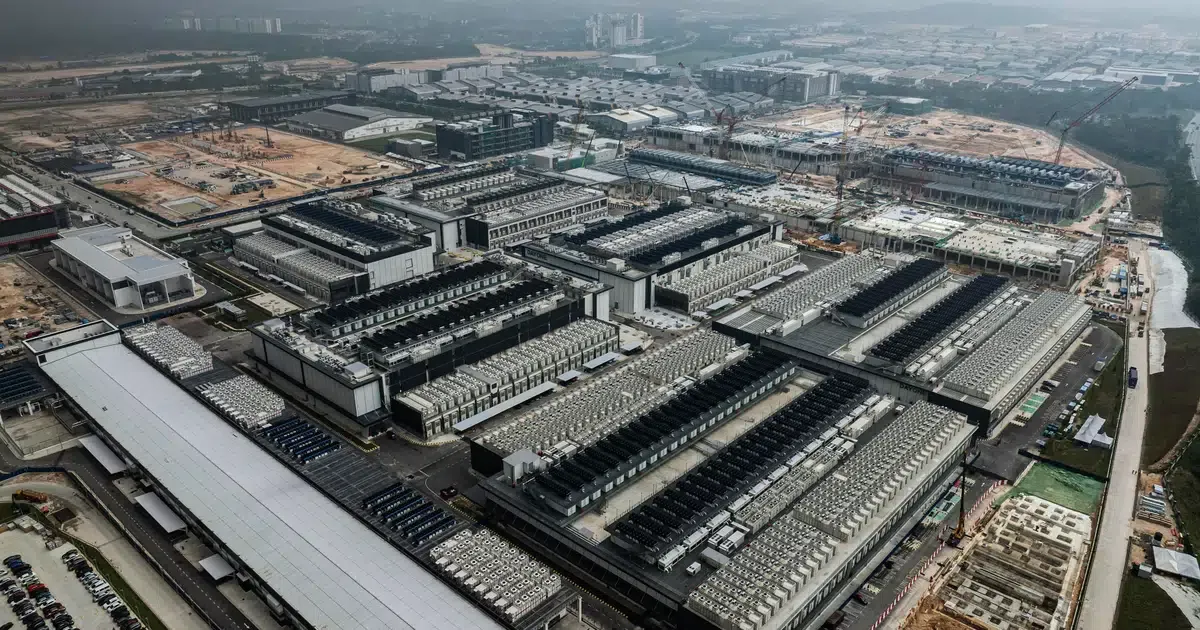
The US Commerce Department on Monday added Megaspeed, a Singapore-based cloud computing company and Nvidia partner, to its Entity List, the government's main trade blacklist. The move follows weeks of criticism from members of Congress and senior administration officials who argued the department had been slow to act.
Megaspeed has been under investigation by US authorities since 2024 over whether it funneled advanced AI chips to China. Under the new designation, the company must obtain Commerce Department approval before receiving US exports, and such requests are expected to be denied, according to a report by CBC.
What the Entity List Designation Means
The Entity List restricts access to American technology for companies deemed a risk to US national security or foreign policy. For a cloud provider whose business depends on high-end GPUs, being cut off from US-origin hardware is a significant blow.
Alongside Megaspeed International in Singapore, the department added six other companies based in Singapore, Malaysia and Thailand. A Commerce official said each of them had some connection to Megaspeed.
The action is notable for its timing. The department had not added any new entities to the list since October 2025.
Lawmakers Question the Delay
Senator Pete Ricketts, a Nebraska Republican, said he had led efforts pushing Commerce to target Megaspeed and welcomed the decision. He was also critical of how long it took, writing on X: "The Department of Commerce still needs to explain to Congress why this took so long."
Ricketts noted that other agencies, including the Departments of State, Treasury and War, had backed the designation. Separately, Democratic lawmakers opened an inquiry this week into how much influence Nvidia may have had over the Commerce Department's investigation.
How Megaspeed Became a Focal Point
The company drew intense attention roughly two weeks ago, when reports emerged that Nvidia CEO Jensen Huang had an affair with Alice Huang, a former Megaspeed executive. US authorities suspect her of being a Chinese spy, a claim Beijing has dismissed as groundless.
Megaspeed has said Alice Huang formally left the company in August 2025. In a statement issued last week, it maintained that it operates lawfully and complies with US export controls. The company did not immediately respond to a request for comment on the blacklisting.
Pressure on Nvidia's Compliance Practices
Treasury Secretary Scott Bessent publicly faulted the Commerce Department for not having already listed Megaspeed. In an interview with CNBC, he also turned attention to Nvidia, asking whether the chipmaker had done enough to understand its customers and prevent sales to apparent shell companies acting as intermediaries.
Nvidia has said it recently set up an export control committee to monitor trade compliance and national security risks. The Justice and Commerce Departments also said in a joint statement last week that they would pursue the full force of the law against Megaspeed for any criminal conduct uncovered.
The blacklisting coincided with Jensen Huang's return as Nvidia's chief executive, following his resignation two weeks earlier.
A Broader Pattern of Restraint Toward China
The Megaspeed case stands out against the administration's recent caution on export restrictions. Reuters reported in June that the US had refrained from adding Chinese AI startup DeepSeek, memory chipmaker CXMT and more than 100 other flagged companies to the Entity List, as the administration sought to avoid escalating tensions with Beijing.
By targeting firms in Southeast Asia rather than mainland China, the latest action addresses concerns about chip diversion through third countries without directly naming major Chinese technology companies.
What It Signals for Cloud and AI Infrastructure Providers
For companies that resell or rent access to advanced GPUs, the case underscores that export compliance now extends well beyond the chipmakers themselves. Cloud operators in regional hubs like Singapore and Malaysia may face closer scrutiny of who ultimately uses their computing capacity.
For Nvidia and its partners, the episode raises the stakes on customer vetting. With congressional probes underway and federal agencies promising enforcement, the industry should expect more pressure to prove that AI hardware ends up where it is supposed to.
Source: CBC