Why Are AI Sales SDR Startups on the Rise?
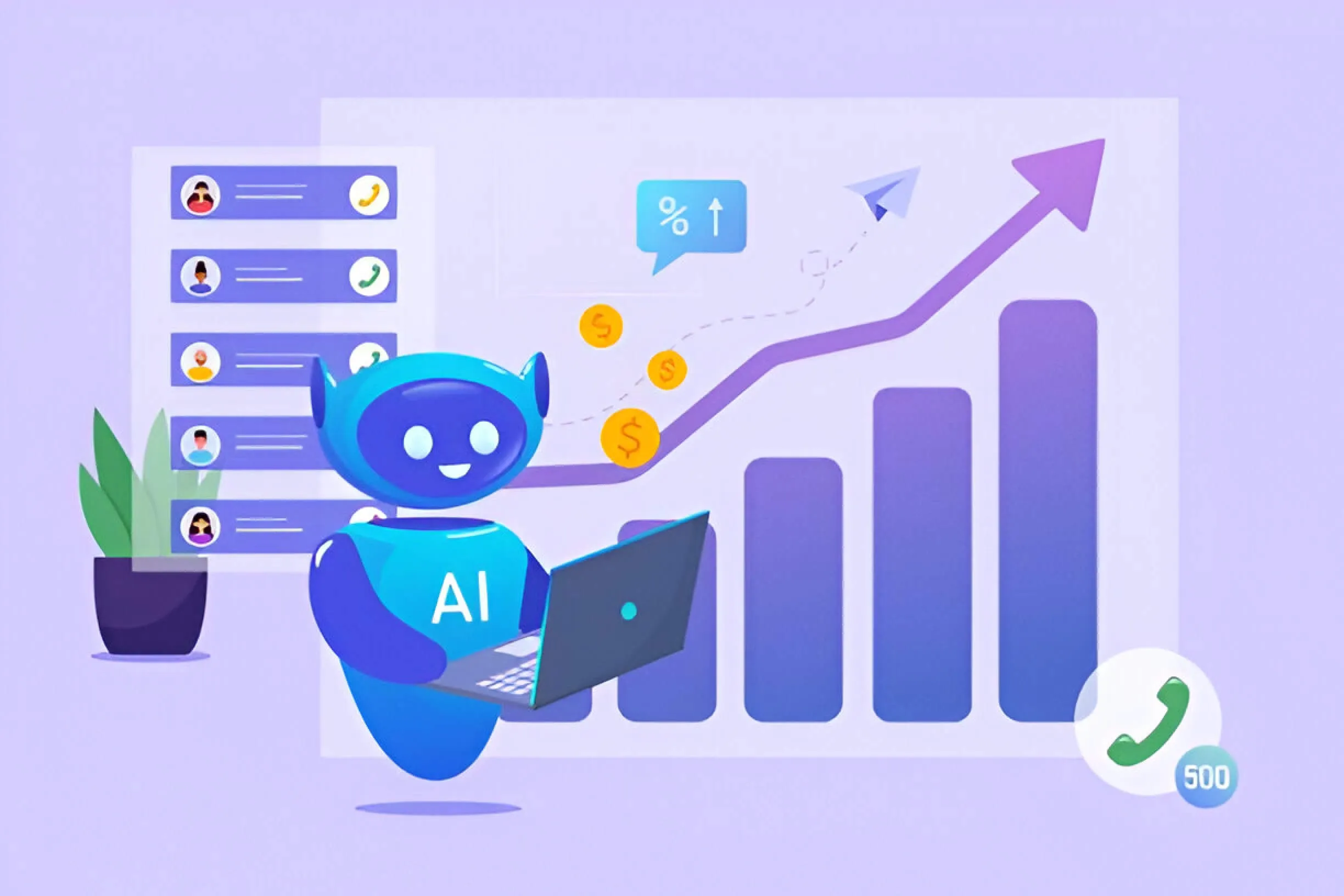
AI-powered Sales Development Representatives (SDRs) are transforming the sales industry. These startups use large language models (LLMs) and advanced voice technology to craft personalized outreach emails and make automated calls. Their ability to mimic human interaction has led to rapid adoption, especially among small and medium-sized businesses.
Exploring the AI SDR Boom
Several startups like Regie.ai, AiSDR, Artisan and 11x.ai are popping up in the sales automation space. They are focusing on automating content for sales teams.
Shardul Shah, partner at Index Ventures says “5-10 companies in this space are having rapid success simultaneously”. This collective growth means there’s a big market need but raises questions around long term sustainability.
Key Reasons for Their Popularity
- Easy Experimentation: Small businesses can try out AI SDR tools without high investment risk.
- Higher Outreach Rates: Founders like Arjun Pillai of Docket say cold email reply rates have dropped 50% in the last few years. AI tools promising higher engagement are super attractive.
The Growth vs. Effectiveness Debate
Despite the growth, there’s a debate around effectiveness of AI SDRs at closing deals. Tomasz Tunguz of Theory Ventures says while AI SDRs can generate leads, converting them into sales is the challenge.
“Many businesses don’t know how to use AI fully” Tunguz said at a SaaStr conference. This highlights the gap in AI adoption for actual outcomes.
Challenges Faced by AI SDR Startups
Threat from Established Competitors
Industry giants like Salesforce, HubSpot and ZoomInfo have a big advantage: access to huge customer data. If these players integrate AI SDR tools into their platform they can crush smaller startups by offering better data driven solutions.
Chris Farmer, CEO at SignalFire says startups without differentiated data will get overtaken. The dominance of the incumbents is a big challenge to long term survival.
Investor Concerns
While startups in this space are growing fast, with many reaching $1m ARR in year 1, investors are cautious. The rise of ChatGPT and what’s happening to Jasper is a warning sign. Without clear differentiation and sustainable moats AI SDR startups will get passed.
What’s Next for AI SDRs?
The future of the AI SDR industry depends on two things:
- Tangible Results: Startups need to prove their tools can generate leads and convert sales.
- Innovation: Competing with established players will require unique features, better algorithms and innovative use of data.
Final Thoughts: The Potential and Pitfalls
AI sales SDR startups have shown lots of potential by solving a big problem in the sales industry. But their long term success will depend on how they navigate the challenges, competition from incumbents and prove themselves.
Now the AI SDR bubble continues to grow and there’s a lot to learn about innovation, adoption and resilience in a competitive market.