The promise of safer roads and smarter transportation that comes with autonomous vehicles has always seemed like a no-brainer. But a recent car-duck collision in Austin’s Mueller Lake neighborhood is yet again reigniting fears that this tech might just not be ready for everyday use.
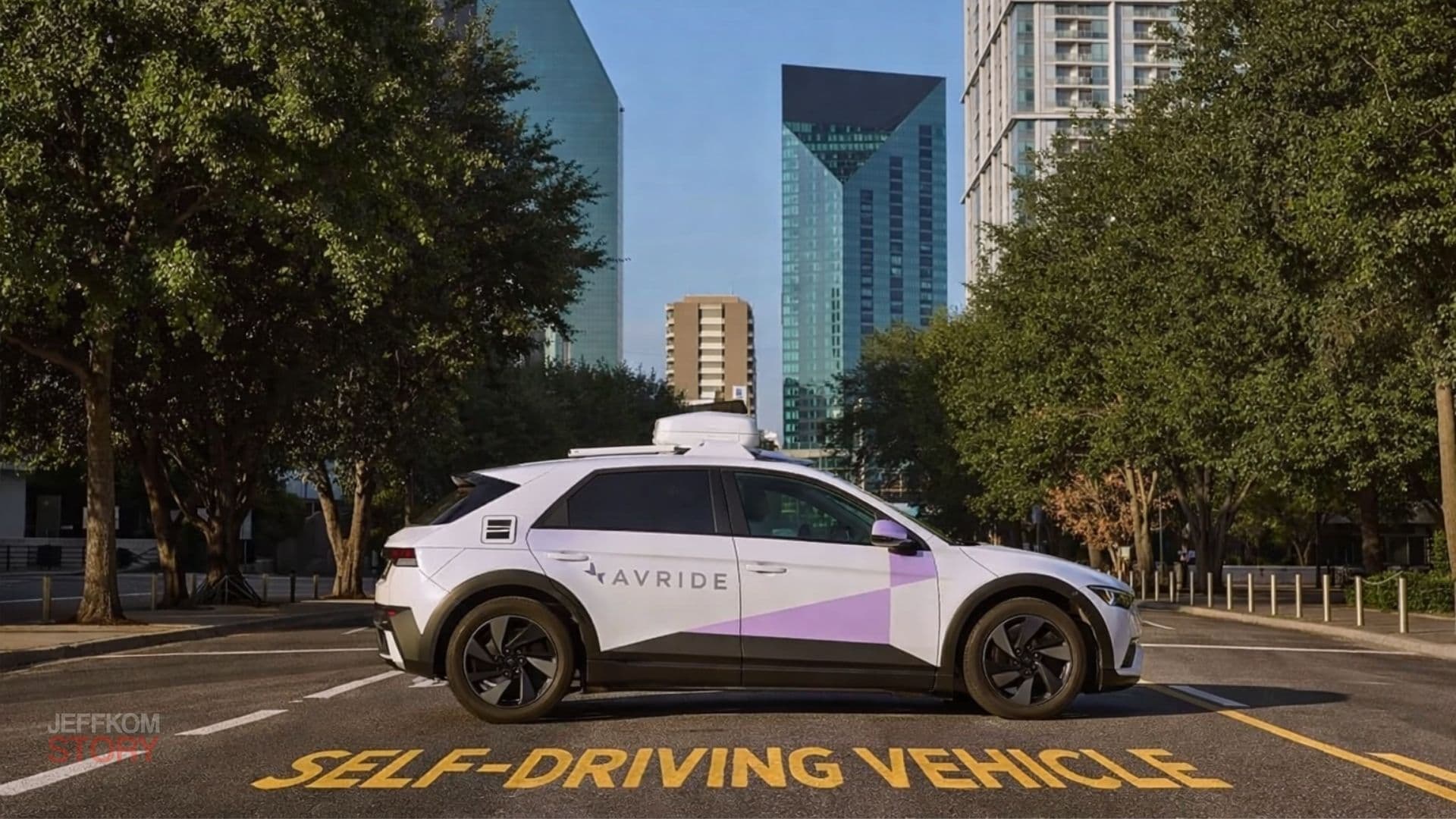
Down in the Mueller Lake neighbourhood, a self-driving Avride vehicle ploughed into and killed a mother duck, sending the local residents into a spin. According to all the local reports, the car was in ‘autonomous mode’ at the time, a human safety operator was supposedly on hand, even though. Some of the witnesses said the car didn’t slow down or do anything, and that’s only going to add to concerns about how these AI systems fair when faced with real-world, unscripted situations.
Why This Incident Matters
While car-animal crashes aren’t exactly a new problem for human drivers, this one’s got all sorts of extra baggage because it’s all to do with AI technology now. People round here were particularly attached to the duck, which had been nesting near a local cafe, which makes it so much more personal and emotional for the community.
As you’d expect, people are now asking some pretty fundamental questions:
- Can these self-driving vehicles actually spot small animals like ducks and deal with them properly?
- Are the current AI systems good enough to handle all the weird and wonderful things that can happen in the real world?
- Should we even be letting these vehicles just drive around in residential areas at all?
Company Response and Actions
Avride’s confirmed that their vehicle was indeed driving autonomously when it hit the duck. After looking over all the data, they’ve said they’ll be working on making their tech better so that they don’t have to deal with any more incidents like this.
In the meantime, Avride’s decided to restrict the areas where they can operate around the Mueller Lake, but that’s not a full stop on their testing programme.
The company has also been denying one of the claims that the vehicle just sailed past a stop sign, saying their data shows it all followed the traffic rules properly.
A Growing Autonomous Ecosystem
Austin’s really become a hub for people testing out self-driving tech, with loads of big players like Zoox, Tesla and Waymo who’re all working there in partnership with Uber.
This incident’s just added fuel to the fire in the ongoing debate about whether we should be letting all this stuff into public spaces so quickly.
The Bigger Picture
The point of self-driving vehicles is that they can cut down on the number of accidents caused by human error, which is basically what causes most road accidents. However, there are some pretty tricky cases like ducks suddenly dashing out into the road, that are really hard for AI systems to deal with.
The Mueller Lake incident just highlights the gap between what technology can do and what happens in the real world and that we need people to be looking into all of this and getting it right, or we’ll never get self-driving cars off the ground.
Final Thoughts
As tech keeps on advancing, incidents like this one serve as a useful reminder of the challenges we’ll have to get right. Balancing innovation with safety and public trust is key to whether we’re going to actually make self-driving cars a thing.
Stay updated with the latest on the tech world and startup success stories from Jeffkom Story. We’ve got plenty of interesting and engaging stuff covering a whole range of topics.