Location accuracy is becoming one of the biggest competitive advantages in modern technology and one San Francisco startup is leading the charge. Point One Navigation, backed by Khosla Ventures, has raised $35 million in a Series C round, pushing its valuation to $230 million and accelerating its mission to deliver ultra-precise positioning for vehicles and devices worldwide.
Why Precise Location Matters
From autonomous vehicles to delivery robots, precision isn’t optional, it’s critical. A machine can’t mow a lawn, land a drone, or position a robot on a factory floor if it’s off by even a few centimeters.
Point One Navigation promises 1-centimeter accuracy in ideal conditions. That level of precision opens up reliable navigation for:
- Drones
- Robotaxis
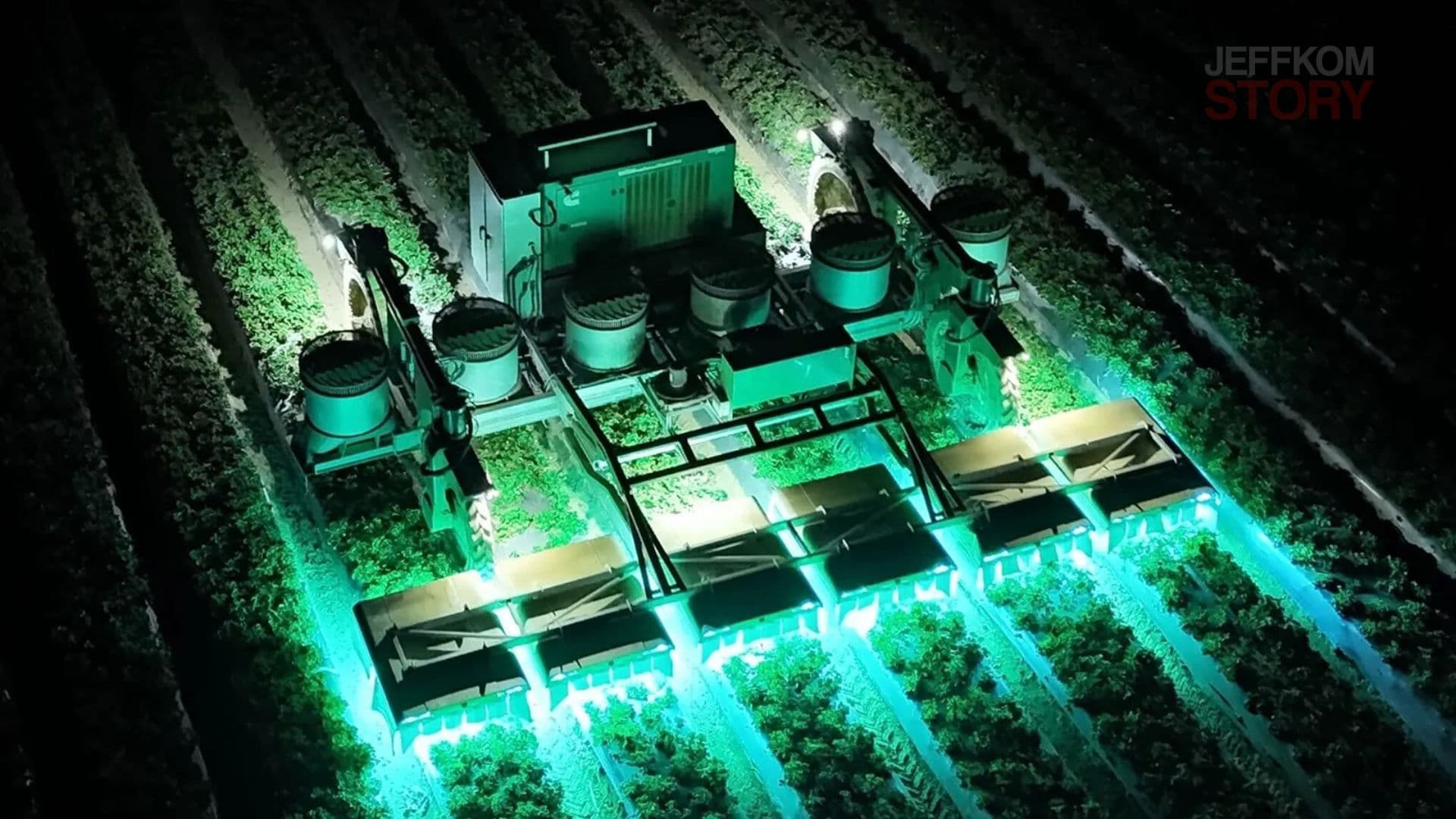
- Agriculture equipment
- Autonomous lawnmowers
- Industrial robots
- Consumer EVs
- Even wearable devices
This isn’t just GPS, it’s a new standard of location intelligence.
How Point One Delivers 1-Centimeter Accuracy
The startup has developed a positioning engine that layers together:
- Augmented GNSS
- Computer vision
- Sensor fusion
- A powerful API
For most modern vehicles already equipped with cameras and sensors, the solution is software-based. For others like farm equipment or first responder vehicles, Point One adds a compact chipset.
This hybrid approach enables high-precision navigation in almost any environment.
Growing Demand Across Industries
Point One began with automotive clients during the autonomous vehicle boom. Today, their technology can be found in:
- 150,000+ electric vehicles
- 300,000 last-mile delivery fleet vehicles
- Major turf care and mowing manufacturers
- A global producer of street and racing bikes
Since 2021, adoption has grown 10x across automotive, robotics, industrial, and wearable markets and it’s still accelerating.
Polaris RTK Network: The Secret Behind the Precision
A key part of Point One’s breakthrough is its Polaris RTK Network, a dense grid of small correction stations installed on secure sites like cell-tower facilities. These stations must be within 40 km of any device needing centimeter-level accuracy.
The company has spent eight years building this network across the U.S., Europe, and Asia, especially in regions with heavy farming, freight, and industrial activity.
Next Frontier: Indoor Precision
While Point One already supports seamless transitions from outdoors to indoor environments like parking structures, the next goal is long-term indoor navigation.
Imagine robots and automated systems moving inside factories or warehouses with the same accuracy they have outdoors. That’s the future Point One wants to unlock.
Why This Matters
As industries push toward automation, robotics, and smart mobility, precise location becomes foundational. You can’t automate what you can’t accurately track.
Point One Navigation is building toward a world where every device, indoors or outdoors, always knows exactly where it is. With fresh funding and growing adoption, they’re well on their way to making ubiquitous precision a reality.