NetChoice, the trade association whose members include Meta and TikTok, has taken Indiana to federal court over a new law that would force social media platforms to verify users' ages and secure parental consent before anyone under 16 can open an account.
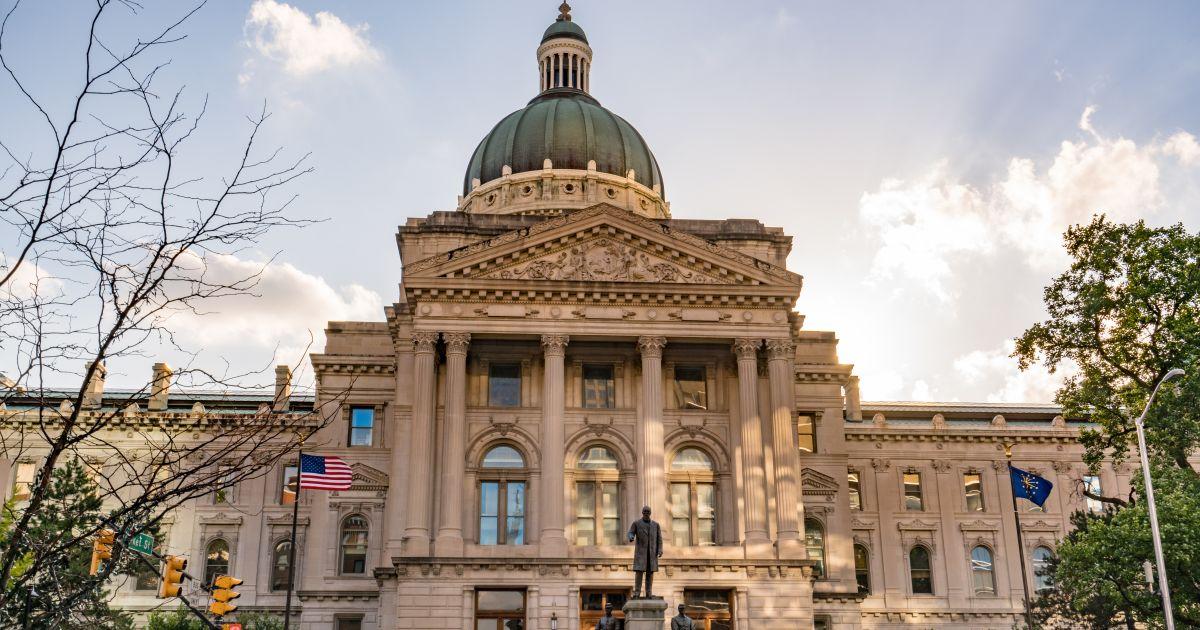
The complaint, filed November 18, 2026, in the U.S. District Court for the Southern District of Indiana, names Attorney General Todd Rokita as the defendant. It targets House Enrolled Act 1408, which was signed in March and is scheduled to take effect on January 1, 2027, unless a judge steps in.
According to a report by Law Commentary, the group wants the court to declare the contested provisions unconstitutional and to block the state from enforcing them, both temporarily and permanently.
What Indiana's Law Requires
HEA 1408 obliges popular platforms such as TikTok and Instagram to confirm a person's age and Indiana residency before allowing them to sign up. Users younger than 16 would also need verifiable consent from a parent.
For that consent step, the law borrows the standard set by the federal Children's Online Privacy Protection Act. Accepted methods under that framework include checking a government-issued photo ID, processing certain credit or debit card transactions, or holding a video call with a trained representative.
The law also builds in recurring checks. Platforms must reassess a user's age after certain stretches of activity, starting once an account reaches 25 hours of use within a six-month window.
Limits on Features Designed to Keep Users Hooked
Beyond age verification, the statute targets design choices that lawmakers view as addictive. For users under 16, platforms would have to restrict endless scrolling, autoplaying video, and feeds personalized by algorithms.
Notably, these limits apply even when a parent has approved the child's account. That means parental consent unlocks access, but not the full set of features adults typically see.
The legislation was authored by State Rep. Bob Behning and sponsored in the Senate by Jeff Raatz. It drew renewed support after the death earlier this year of a 17-year-old from Fishers who had reportedly met an adult man online.
NetChoice's Free Speech and Privacy Arguments
At the center of NetChoice's case is the First Amendment. The group argues the law restricts protected speech and that its reach extends well beyond minors, potentially affecting every Indiana resident who wants to use social media.
In the association's view, mandatory age checks put unnecessary obstacles between people and lawful online content. It also contends that the repeated reassessments add further burdens for adults and teenagers alike.
NetChoice raises privacy and security concerns as well. Collecting identification records and other sensitive data to establish age, the group says, creates new risks for the people whose information is gathered.
State Officials Expected a Fight
Indiana leaders anticipated a court challenge before the bill even passed. Senator Raatz said in February that a legal fight was likely but that the law was worth defending.
Secretary of Education Katie Jenner rejected the free speech framing outright, saying the issue was about addictive platforms and their effects on young people. "This has zero to do with free speech," she said.
Rokita's office has pushed back on the lawsuit, describing NetChoice as a frequent litigant against state efforts to hold platforms accountable for features aimed at children, and pledging to defend the law vigorously.
Part of a Broader Wave of State Action
Indiana is not alone in testing how far states can go in regulating youth access to social media. Earlier in November, Meta, Google and TikTok filed separate federal suits seeking to block a California law that bars addictive features for users under 16, also on First Amendment grounds.
These parallel cases suggest that the legal boundaries around age verification and feed design are likely to be settled in federal courts rather than state legislatures alone.
What the Case Means for Platforms and Families
With the effective date less than six weeks away, the immediate question is whether the court will grant a preliminary injunction. If it does not, platforms will need age verification and consent systems in place for Indiana users by January 1.
For the tech industry, the outcome could shape compliance costs and product design across multiple states pursuing similar rules. For parents and teens in Indiana, it will determine whether familiar app features remain available or change significantly in the new year.
Source: Law Commentary