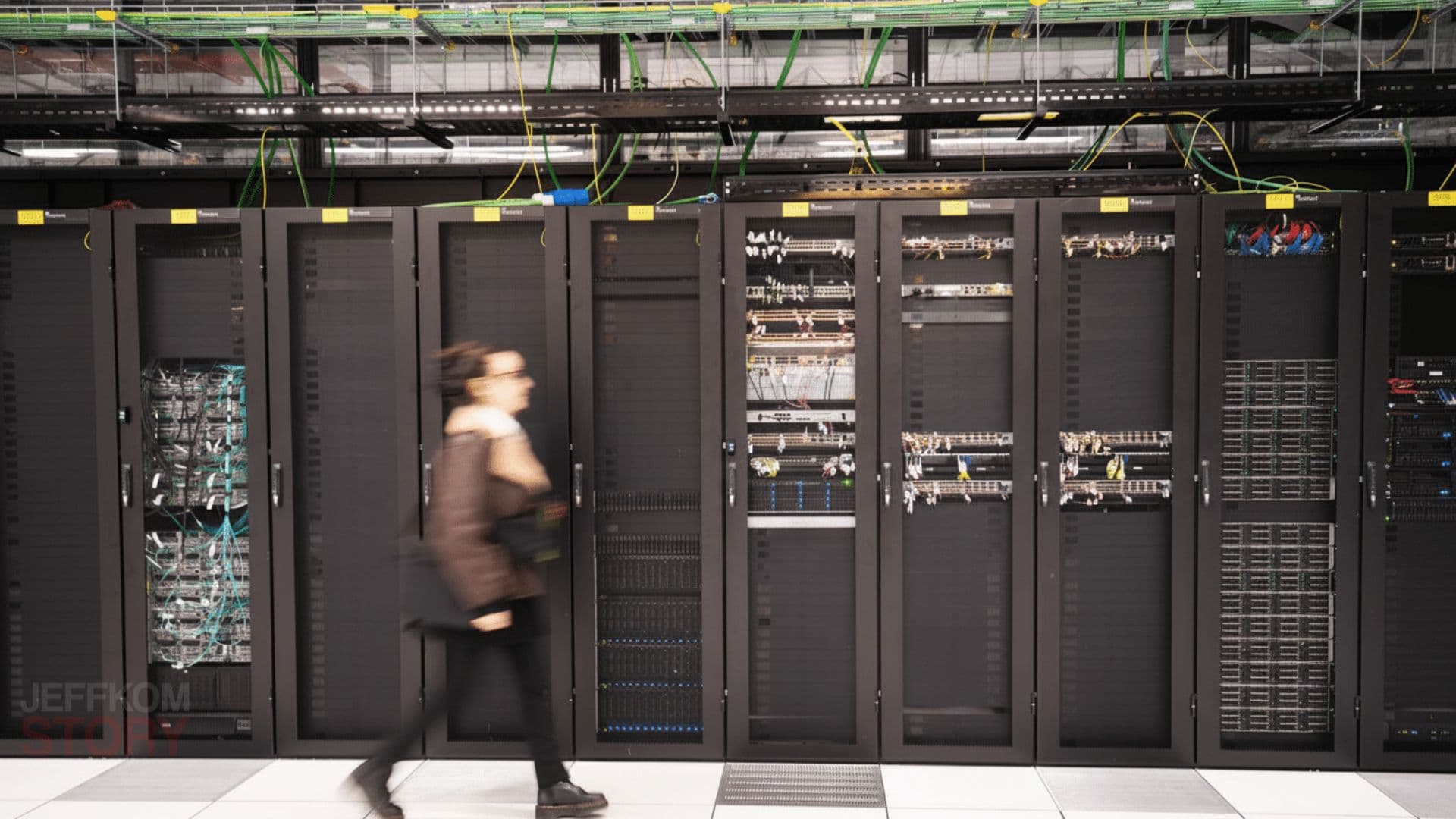
Data centers run on precision.
But one small water leak can bring everything down.
Startup MayimFlow is tackling this hidden risk with a first-of-its-kind AI-based leak prediction platform designed specifically for data centers. Instead of reacting to leaks after water hits the floor, MayimFlow predicts failures 24 to 48 hours before they happen, giving operators time to fix issues without disrupting compute workloads.
Why Water Leaks Are a Growing Threat
Cooling systems are essential for modern data centers.
They are also one of the biggest points of failure.
According to industry reports from the Uptime Institute, cooling-related incidents are a leading cause of unplanned outages. Many now cost six or even seven figures, once lost transactions, SLA penalties, and reputational damage are factored in.
Even short outages can snowball.
And water damage rarely stays localized.
The Problem With Traditional Leak Detection
Most facilities still rely on reactive detection:
- Drip strips
- Spot sensors
- Floor alarms
These systems alert teams after water has already escaped.
By that point, damage to racks, PDUs, raised floors, and cabling may already be underway.
How MayimFlow Predicts Leaks Before They Happen
MayimFlow shifts leak detection upstream.
Its rugged IoT sensors monitor:
- Flow
- Pressure
- Temperature
- Vibration
- Acoustic signals
Using edge-deployed machine learning, the system identifies subtle warning signs such as:
- Pressure transients
- Valve fatigue
- Cavitation in pumps
- Micro-vibrations
- Thermal irregularities across heat exchangers
All analysis happens locally, reducing latency and keeping sensitive telemetry on-premises while still enabling cloud analytics when needed.
Built for Real-World Data Centers
MayimFlow is designed to work in brownfield environments.
It:
- Uses its own sensors
- Ingests data from existing hardware
- Integrates with building management systems and facility controls
There’s no need to rip and replace infrastructure.
The goal is to enhance what operators already have.
Why Early Leak Prediction Makes Business Sense
For facilities teams, it comes down to:
- Lower mean time to repair (MTTR)
- Higher mean time between failures (MTBF)
Preventing a leak avoids:
- Unplanned downtime
- Secondary equipment damage
- Costly emergency repairs
Studies from organizations like the Uptime Institute and Ponemon Institute consistently show that downtime minutes add up fast especially for cloud and enterprise providers. In that context, predictive maintenance becomes far cheaper than reactive recovery.
Insurance, Compliance, and Sustainability Benefits
There’s also a growing insurance angle.
Underwriters increasingly favor data centers that can prove:
- Proactive monitoring
- Predictive maintenance
- Continuous risk reduction
Facilities with these controls often qualify for better insurance terms.
From a sustainability perspective, leak prevention supports Water Usage Effectiveness (WUE) goals. As AI workloads drive higher cooling demand, stopping unnoticed leaks helps conserve thousands of gallons of water and prevents corrosion-related equipment failures.
Experienced Team, Broader Vision
Founder Khazraee previously worked on infrastructure at IBM, Oracle, and Microsoft. He’s joined by:
- COO Jim Wong, a former data center executive
- CTO Ray Lok, with deep experience in water systems and IoT
While data centers are the first focus, MayimFlow plans to expand into:
- Hospitals
- Industrial facilities
- Commercial buildings
Anywhere pressurized water meets mission-critical equipment.
A Quiet but Critical Tool for the AI Era
As AI infrastructure scales, uptime matters more than ever.
MayimFlow isn’t flashy hardware.
It’s a picks-and-shovels solution for reliability one that turns hidden mechanical risk into a visible, schedulable task.
If the platform can consistently deliver day-ahead leak predictions without overwhelming teams with false alerts, it could become a key lever for uptime, cost control, and water stewardship.
In an industry measured in nines, even small improvements add up.